Heating

An expert insight on "Freezer Frost Fight: Why Is My Freezer Icing Up (And How to Stop It!)" and the topic of freezer icing up by Vancouver Appliance Service Pros in Vancouver.

Miele Dishwasher Error Codes, Draining, and Common Problems Explained

Miele dishwashers are among the most reliable on the market — engineered for 20-year lifespans — but they’re not immune to problems. When a Miele does develop an issue, understanding what’s happening helps you communicate with a technician more effectively and avoid unnecessary service calls. Related Services: Dishwasher Repair in Vancouver Miele dishwasher error codes (F codes) Miele displays fault codes as “F” codes on the program indicator. Key codes to know: F11: Drain fault. The dishwasher isn’t draining properly within the expected time. Start with the filter. F12 / F13: Water intake fault. The machine isn’t receiving water. Check the water supply valve and the inlet hose. F14: Heating fault. The water isn’t reaching target temperature. NTC temperature sensor or heating element issue. F19: Water heater issue — specifically relating to the flow heater not functioning correctly. F24: NTC temperature sensor fault. The temperature probe inside the dishwasher is giving invalid readings. F25: Flow meter fault. The flow meter that measures water intake has failed. F32 / F36: Leak detected. The Waterproof System (WPS) flood protection has activated. F51 / F52 / F53: Motor fault. The circulation pump or drain pump has a fault. F63: Control board fault. F67 / F78: Door lock or door sensor fault. F70 / F78: Water sensor or pressure sensor fault. Miele codes are more specific than most brands — each F code points to a defined subsystem. This makes diagnosis more straightforward for a technician with Miele diagnostic tools. Miele dishwasher not draining (F11) The F11 drain fault is the most common Miele error code. The typical progression: Clean the filter: Miele dishwashers have a fine filter and a coarse filter at the bottom of the tub. Remove both (the cylindrical filter twists counterclockwise) and rinse thoroughly. A clogged filter is the most common cause of F11. Check the drain hose: Pull the dishwasher forward slightly and confirm the hose isn’t kinked. Confirm the high loop is in place. Check the drain pump: After clearing the filter, inspect the pump area for debris. Miele drain pumps are durable but can fail — if you hear no sound during the drain phase, the pump may have failed. If F11 persists after cleaning the filter and confirming the hose is clear, the drain pump or drain solenoid needs testing. This requires a technician. Miele dishwasher not cleaning properly If dishes aren’t clean after a full cycle: Filter: Always start here. A clogged filter on a Miele causes the same cleaning deterioration as on any dishwasher. Spray arms: Remove and clean. Miele spray arms have nozzles prone to mineral deposits. On Miele, the spray arms clip into place — check that they spin freely after reinstalling. Rinse aid: Miele machines use rinse aid and have a setting for dosage amount. Check that the dispenser is full and the dosage is set appropriately. Detergent: Miele recommends Miele-branded or premium dishwasher tablets (like Finish Quantum). Low-quality detergents can underperform, particularly in the Miele’s more precise wash cycles. Water temperature: If the heating element is failing (F14 code), water doesn’t reach cleaning temperature. Dishes clean poorly as a result. Miele dishwasher not drying Most Miele dishwashers use condensation drying — they don’t have a heated drying element like many North American brands. Condensation drying works by heat differential between the hot dishes and the cooler stainless steel walls. If dishes aren’t drying properly: Confirm rinse aid is filled and set to a mid-high dosage On Miele models with AutoOpen (door opens slightly at end of cycle), confirm this feature is enabled — it significantly improves drying by releasing steam Plastics dry poorly with condensation drying — this is inherent to the method A failed NTC sensor (F24) can affect drying — the machine doesn’t “know” how hot the water got, so it may not sequence correctly Miele dishwasher door problems Miele dishwasher door springs and hinges see a lot of use and eventually wear. Symptoms: Door falls open too fast: Door springs or hinge dampers have weakened. The door should rest at about 45 degrees naturally — if it falls all the way open, the springs need adjustment or replacement. Door is hard to close: Check for anything in the door path — items catching the rack. If the door mechanism itself is stiff, the hinge dampers may be seizing. F67 code: Door latch sensor issue. The latch isn’t registering as closed, or the sensor has failed. Miele dishwasher Waterproof System (WPS) — what it is and what to do Miele dishwashers have a proprietary anti-flood protection called the Waterproof System. A sensor in the base tray detects any water that has leaked internally. When triggered (F32/F36), the machine stops and the drain pump runs continuously to remove accumulated water. If the WPS trips: tilt the machine forward (raise the back slightly) to drain water from the base tray. The sensor is a float switch — once the tray is dry, the switch resets. The machine should clear the code and resume normal operation. If WPS triggers repeatedly, there’s an ongoing internal leak that needs finding and fixing. Miele repair vs. replace Miele’s build quality means repairs are almost always worthwhile on machines under 12 to 15 years old. Control boards, pumps, and even the flow heater are repairable on Miele — parts availability is generally good for 15+ years. The cost of Miele repairs can be higher than for other brands (parts are pricier), but the alternative is replacing a machine that was built to outlast most competitors. When to call a technician Clean the filter and spray arms yourself. Call for help with any F code beyond F11 (drain) — Miele’s systems are complex enough that incorrect diagnosis leads to expensive unnecessary part replacements. Miele-specific diagnostic tools make a technician’s job significantly more accurate. Vancouver Appliance Service repairs Miele dishwashers across Metro Vancouver. We have experience with Miele’s specific fault codes and repair procedures across multiple series.

Miele Dishwasher Error Codes, Draining, and Common Problems Explained Read More »

An expert insight on "Why Is My Fridge Door Seal Loose? Quick Fixes & When to Call a Pro" and the topic of fridge door seal loose by Vancouver Appliance Service Pros in Vancouver.

Fridge Door Seal Loose? How to Diagnose and Fix a Refrigerator Door Gasket

A loose or damaged fridge door seal is one of the more insidious appliance problems — your fridge keeps running, keeps cooling, but works harder than it should, costs more to operate, and eventually starts struggling to hold temperature. Here’s how to diagnose a door seal problem, fix it yourself if possible, and know when replacement is the right call. Related Services: Fridge Repair in Vancouver How to tell if your fridge door seal is bad The dollar bill test: Close a dollar bill in the door at different points around the seal — top, bottom, left, right. Pull gently. If the bill slides out easily, that section of the seal isn’t gripping properly. A good seal should offer noticeable resistance. Visual inspection: Run your finger around the entire gasket. Look for cracks, tears, flattened sections, or areas where the seal lifts away from the door. A healthy gasket is pliable and snaps back when pressed. A gasket that stays compressed or feels hard and brittle is failing. Condensation on or around the door frame: Moisture forming on the exterior edge of the door or on the interior side walls near the door is often a seal issue — warm, humid air is getting in and condensing. Fridge running constantly: If the compressor never cycles off, the fridge is struggling to maintain temperature. A bad door seal is one common cause (though not the only one). Why is the fridge door seal loose? There are several reasons a gasket loses its grip: Age: Rubber hardens over time and loses flexibility. Most gaskets last 5 to 10 years before they start failing. Warping from heat exposure: Placing the fridge too close to an oven or heat vent can degrade the rubber faster. Improper cleaning: Cleaning with harsh chemicals dries out rubber. Gentle dish soap and water is the right cleaner for gaskets. Physical damage: Tearing, pulling, or pinching the seal when loading the fridge causes localized damage. Door alignment: A misaligned door puts uneven stress on the gasket — one edge may seal fine while the other barely contacts the frame. How to fix a loose fridge door seal — quick fixes Soften a stiff or flattened gasket Sometimes a gasket just needs warming up. Use a hair dryer on low heat and run it slowly along the flat or kinked sections. The rubber will soften and often returns to shape once warm. This works particularly well for sections that have taken a set from being compressed. Realign the gasket in its channel On most fridges, the gasket presses into a channel around the door liner. If the gasket has pulled out of the channel in spots, press it back in — it should snap or seat firmly. On some models, the gasket is held by screws under the liner edge. If yours is loose there, access those screws and tighten them. Check and adjust door alignment Open the fridge door to 90 degrees and let go. If it swings wide open or swings closed on its own, the door is out of alignment. Fridges have adjustable hinges — usually accessed with a Phillips or hex screwdriver at the top and bottom hinge. Adjust the hinge until the door hangs level and swings neutrally. Fridge door gasket replacement — when it’s time If the dollar bill test fails consistently around the perimeter even after softening and realigning the gasket, replacement is the right call. A new gasket costs between $30 and $120 depending on the brand and model. Most fridge gaskets are a DIY replacement: the old gasket pulls out of the channel (or the retaining screws come off), and the new one presses in. How to order the right gasket: You need your fridge’s model number (usually on a sticker inside the door, on the rear wall of the fridge compartment, or on the back of the unit). Search “[brand] [model number] door gasket” — appliance parts sites like RepairClinic, AppliancePartsPros, or Sears Parts Direct typically carry them. Brand-specific notes Samsung fridge door seal Samsung French door and side-by-side models frequently develop seal issues on the lower freezer door, where the gasket takes more wear from repeated opening. Samsung gaskets on newer models (RF and RS series) use a magnetic strip embedded in the rubber — ensure the replacement part includes the magnet. LG fridge door gasket LG French door models have a separate inner door gasket on the dual-door fridge section. Check both the outer refrigerator door and the inner section door if temperatures are inconsistent. Whirlpool / Maytag fridge seal Whirlpool and Maytag gaskets are typically secured with screws under the door liner at the corners. Turn the gasket back to access the screws — no need to fully remove the liner for most models. When the seal is fine but the fridge still isn’t cooling If you’ve confirmed the door seal is intact and the fridge is still struggling, the problem is elsewhere — commonly the evaporator fan, defrost heater, door switch (which turns off the evaporator fan when the door opens), or the compressor itself. These require diagnosis with the right tools. When to call a technician Call for help if: door alignment adjustment doesn’t resolve the problem, if you can’t identify where the seal is failing, if the fridge temperature is significantly off even with a good seal, or if the gasket is integrated into the door liner in a way that requires significant disassembly. Vancouver Appliance Service repairs fridge door seal problems and all fridge cooling issues across Metro Vancouver. We carry gaskets for major brands on the van and can diagnose door alignment and sealing problems in a single visit.

Fridge Door Seal Loose? How to Diagnose and Fix a Refrigerator Door Gasket Read More »

An expert insight on "Silence the Noise: Troubleshooting a Rattling Washing Machine" and the topic of rattling washing machine by Vancouver Appliance Service Pros in Vancouver.

Rattling Washing Machine: Causes and How to Fix It (Samsung, LG, Whirlpool, Bosch)

A rattling washing machine is one of those problems that sounds minor but usually isn’t. The noise is telling you something — and the cause determines whether you can fix it yourself in ten minutes or whether you need a technician. Here’s how to diagnose a rattling washing machine step by step, with callouts for Samsung, LG, Whirlpool, and Bosch units specifically. Related Services: Washing Machine Repair in Vancouver Step 1: Check for loose items in the drum Before assuming there’s a mechanical fault, check the obvious. Coins, buttons, bra underwires, and small items left in pockets are responsible for a large percentage of “mysterious” rattling noises. Check the drum, the door seal rubber, and the detergent drawer channel. A single coin wedged under the drum’s inner rim can sound alarming. Step 2: Check if the machine is level An unbalanced washing machine vibrates loudly during the spin cycle. This is especially common with front-loaders. Put a spirit level on top of the machine — front to back, and side to side. All four feet should be firmly on the floor. Adjust the levelling feet by hand (most unscrew clockwise to lower). Lock them in place by tightening the locking nut against the body. If the feet spin freely or are corroded and won’t adjust, they can be replaced. Step 3: Check if the load is balanced An unbalanced load is the most common cause of banging and vibrating during the spin cycle. A single heavy item — a comforter, a pair of jeans, a wet towel — can cause the drum to spin lopsided. Redistribute the load and run a short spin. If the noise disappears, the load was the issue. If you’re consistently getting this problem, avoid washing single heavy items alone — add a couple of towels to balance the load. Step 4: Check the drum for play Open the door and grab the drum with both hands. Gently try to move it up, down, and sideways. Some small amount of movement is normal. Significant looseness — more than a centimetre or two of travel in any direction — suggests worn drum bearings or a failing spider arm (the bracket that connects the drum to the rear bearing). Worn drum bearings make a rumbling or grinding noise that gets louder during spin. If you hear that sound and feel drum play, the bearings need replacing. It’s a substantial job — several hours of labour — but usually cheaper than a new machine on a relatively recent washer. Step 5: Check the shock absorbers and springs The drum in a front-loader is held by suspension springs at the top and shock absorbers at the bottom. When these wear out, the drum can bang against the cabinet during spin — a loud, rhythmic thudding that’s hard to miss. You can visually inspect the shocks by tilting the machine back carefully. If they’re leaking oil or obviously bent, they need replacing. Springs can break or lose tension — if one spring is longer than the other, or if a spring is disconnected, the drum will hang unevenly. Brand-specific callouts Samsung washing machine vibrating loudly Samsung front-loaders (WF and WD series) are prone to vibration issues, partly due to how the drum is balanced from the factory. Samsung released a balance ring retrofit for some models. If yours is shaking excessively, check whether there’s an active recall or service bulletin for your model number. Also inspect the shipping bolts — if the machine was ever moved and the bolts were reinstalled but not removed before running, they’ll cause extreme vibration. LG washing machine banging during spin LG Direct Drive models (with the motor mounted directly to the drum, no belt) are quieter than most — so when they do rattle or bang, it usually points to a real issue. Common culprits on LG machines are the spider arm cracking (a known failure on older LG models), the bearing failing, or the stator on the direct drive motor getting damaged. These are repair jobs, not DIY fixes. Whirlpool washing machine noise repair Whirlpool top-loaders and front-loaders both develop drive pulley wear over time. A squealing or rattling during agitation (not just spin) often points to a worn drive belt or a failing motor coupler on top-load models. Both are inexpensive parts. The belt is usually visible by removing the back panel; the motor coupler requires taking the cabinet apart. Bosch washing machine drum loose Bosch front-loaders are generally reliable, but bearing failures do happen on older units (especially pre-2015 models). Bosch bearings are typically integrated into the rear drum assembly — unlike some brands where the bearing presses into the tub, on many Bosch machines the outer drum and bearing come as one unit. This makes bearing replacement more expensive on Bosch than on some other brands. Noise during washing machine drum spin: is it the drum loose, or something else? Not all rattling during spin means a loose drum. Here’s a quick guide: Rhythmic thud: unbalanced load, or worn shock absorbers Continuous rumble: bearing failure Metallic clank: foreign object in drum or pump Squealing: worn belt or pulley Random rattle: loose panel, coin in pump filter, or vibrating pipe When to call a technician Handle it yourself if the problem is: load balancing, levelling feet, or a coin in the drum. These require no tools and no parts. Call a technician if: the drum has noticeable play, the noise is a continuous rumble, there’s a burning smell, the machine vibrates significantly even with a balanced load, or the noise started suddenly without explanation. Vancouver Appliance Service diagnoses rattling and vibrating washing machines across Metro Vancouver. We carry parts for Samsung, LG, Whirlpool, Bosch, Miele, and most other brands. In most cases, we can diagnose the cause and complete the repair in a single visit.

Rattling Washing Machine: Causes and How to Fix It (Samsung, LG, Whirlpool, Bosch) Read More »

An expert insight on "Oven Temperature Fluctuations: Is Your Thermostat Lying?" and the topic of oven temperature fluctuations by Vancouver Appliance Service Pros in Vancouver.

Oven Temperature Not Accurate? How to Test, Calibrate, and Fix It

Oven temperature fluctuations are more common than most people realize — and they’re responsible for a lot of burned edges, undercooked middles, and baking disasters that get blamed on the recipe. If your oven doesn’t hold temperature, there’s usually a clear reason for it. Here’s how to test whether your oven temperature is accurate, how to run a basic calibration, and when the sensor or thermostat needs replacing. Related Services: Oven Repair in Vancouver How to test if your oven temperature is accurate The fastest way to check: buy an oven thermometer (they cost $10 to $20 at any kitchen store). Place it in the centre of the oven on the middle rack. Preheat to 350°F (177°C), wait 20 minutes after the preheat indicator beeps, and read the thermometer. Most ovens cycle within a range — the element shuts off and on to maintain temperature. You might see 330°F to 370°F during that cycle, which is normal. If the thermometer reads below 300°F or above 400°F consistently, the oven has an accuracy problem. Run the test at two more temperatures — 400°F and 450°F — to see if the error is consistent or gets worse at higher settings. DIY oven calibration Many ovens have a built-in calibration offset you can adjust through the control panel. This lets you shift the oven’s temperature up or down by up to 35°F (about 20°C) without replacing any parts. How to access calibration on most models: Samsung: Hold BAKE for 8 seconds. The display shows the current offset. Use the temperature arrows to adjust. Confirm with BAKE again. LG: Press Settings, then navigate to the oven calibration option. Some LG models require holding the 0 button for 5 seconds. Whirlpool / Maytag: Press BAKE, then hold for 5 seconds. Use + and – to adjust offset in 5°F increments up to 35°F total. GE: Press BAKE and BROIL simultaneously and hold for 3 seconds. Adjust with the number pad. Bosch: Access through the Settings menu on the display panel. Look for “Oven Calibration” or “Temperature Offset.” If your oven runs 25°F cold, add 25°F to the offset. If it runs hot, subtract. Check with the thermometer after adjusting. Oven temperature sensor replacement The oven temperature sensor (also called the RTD sensor or thermistor) is a probe inside the oven cavity, typically mounted at the top rear. It tells the control board what temperature the oven is at. When it drifts or fails, the board gets wrong information and the oven can’t maintain temperature properly. Signs the sensor is failing: Oven temperature varies widely (50°F or more off target) Error codes like F3 or F4 (sensor fault codes on most brands) Oven overheats or underheats despite correct settings Calibration adjustment doesn’t help Testing the sensor with a multimeter: At room temperature (around 70°F / 21°C), most oven sensors measure about 1080 ohms. If yours reads significantly different (or open/infinite), the sensor is bad. Replacement sensors for most brands cost $20 to $60 and are usually two screws and a plug-in connector — a genuine DIY job once you’ve identified the right part number. When it’s the oven thermostat, not the sensor Older ovens (pre-2000, many without digital displays) used a mechanical thermostat rather than an electronic sensor. If you have an older range with a physical dial, the thermostat itself may have drifted or failed. Mechanical thermostats aren’t adjustable — when they drift, replacement is the only fix. A replacement thermostat costs $40 to $120 depending on the brand, and installation is more involved than a sensor swap. Other causes of oven temperature fluctuations Failing bake element: If the lower element has a crack or hot spot, it won’t cycle correctly. Look for visible damage — blistering, dark spots, or a break in the element. Loose sensor connection: The sensor wire can corrode or come loose from the connector. Check the connection at the back of the oven if you’re replacing the sensor anyway. Control board fault: Rare, but the relay that controls the element can fail. This is usually diagnosed after the sensor and element are confirmed good. Door seal worn: A damaged door gasket lets heat escape, which causes the oven to cycle more aggressively to compensate. The temperature can feel erratic because it is — the oven keeps overcooking to make up for the loss. Oven running too hot — what to check first An oven that consistently runs 25°F or more hot is usually a calibration issue or a sensor fault. Run the thermometer test first. If calibration doesn’t bring it into range, test the sensor resistance. If the sensor checks out, the issue is likely the control board relay. When to call a technician DIY makes sense for: sensor replacement (straightforward on most models), calibration adjustment, and checking door seals. Call a technician if: you see error codes you can’t clear, the oven overheats significantly (more than 50°F above target), the element shows visible damage, or the problem started suddenly rather than gradually drifting. Vancouver Appliance Service repairs oven temperature problems across Metro Vancouver. We stock sensors and elements for most major brands and can typically diagnose and fix the issue in a single visit.

Oven Temperature Not Accurate? How to Test, Calibrate, and Fix It Read More »

An expert insight on "My Fridge Smells Awful! 5 Quick Fixes for a Fresh Fridge" and the topic of fridge smells bad by Vancouver Appliance Service Pros in Vancouver.

Bosch Dishwasher Maintenance: Filter, Spray Arms, Cleaning Cycle, and More

Bosch dishwashers are well-engineered machines, but they need regular maintenance to keep running at spec. Neglecting the basics leads to cleaning performance issues, odours, and eventually mechanical problems that could have been prevented. Here’s a complete Bosch dishwasher maintenance guide — filters, spray arms, seals, and cleaning cycles. Related Services: Dishwasher Repair in Vancouver Bosch dishwasher filter cleaning This is the most important maintenance task and the most frequently skipped. Bosch dishwashers use a manual-clean filter system — unlike some competitors with self-cleaning filters, Bosch requires you to clean the filter yourself. How often: Every 4 to 6 weeks for typical use. Weekly if you run the machine daily or rarely pre-rinse dishes. How to clean it: Remove the lower rack. Locate the filter assembly in the center of the dishwasher floor. On Bosch, this is a combination filter — a cylindrical mesh filter sits inside a flat filter plate. Turn the cylindrical filter counterclockwise (look for the arrows on the handle) and lift it out. Lift out the flat mesh filter plate below it. Rinse both pieces under warm running water. Use a soft brush to remove grease and debris — an old toothbrush works well. For heavy buildup, soak in warm soapy water for 5 to 10 minutes before brushing. Reinstall: flat filter first, then cylindrical filter clockwise until it clicks. A clogged Bosch filter causes dirty dishes, standing water, and error code E24 (drain error) or E25 (drain pump blocked). Bosch dishwasher spray arm cleaning The spray arms (lower, upper, and middle if your model has three) distribute water through small nozzle holes. When these clog with food debris or limescale, certain areas of the dishwasher don’t get enough water coverage — dishes in those zones come out dirty. How to remove and clean: Lower spray arm: Pull straight up from its center fitting. It should lift off without tools on most Bosch models. Upper spray arm: Unscrew counterclockwise from the center fitting (it’s a left-hand thread on many models — try clockwise first if counterclockwise doesn’t work). Hold each arm under running water. Poke any clogged nozzle holes with a toothpick. Soak in white vinegar for 20 to 30 minutes if mineral deposits are present. Rinse thoroughly before reinstalling. Bosch dishwasher salt and rinse aid Bosch dishwashers sold in Canada are designed for North American water — they don’t require dishwasher salt the way European Bosch models do (European Bosch units have a built-in water softener that uses salt). Canadian Bosch units rely on rinse aid for spotting and drying performance. Rinse aid: Fill the rinse aid dispenser and keep it full. Most Bosch dispensers have an adjustment dial (1 to 6 setting) — start at 3 and adjust based on results. More rinse aid if glasses still spot; less if there’s a white film on glasses. In Vancouver, where tap water is very soft, you may find less rinse aid is needed than recommended — the low mineral content means spotting is less aggressive than in hard water cities. Bosch dishwasher door seal cleaning The door gasket collects debris in its folds, particularly at the bottom corners. Mould and odour originate here if the seal isn’t kept clean. Use a damp cloth to wipe along the full length of the door seal, paying attention to the folds and crevices. A toothbrush is useful for getting into the folded rubber sections. Clean monthly, or whenever you notice odour. Running a Bosch dishwasher cleaning cycle Bosch dishwashers don’t have a dedicated “self-clean” mode, but you can run an effective cleaning cycle with their machine care programs: Monthly deep clean method: Clean the filter and spray arms first (as above). Place a Bosch machine care cleaner or a cup of white vinegar on the bottom rack. Run a hot wash cycle (the highest temperature cycle your machine offers — 65°C or higher). After the cycle completes, leave the door open for 30 minutes to air dry the interior. Bosch-branded dishwasher cleaner is available at most appliance stores and some pharmacies. Affresh and Finish dishwasher cleaners also work on Bosch machines. Bosch dishwasher error codes related to maintenance These errors often appear when maintenance has been neglected: E24: Drain fault — usually a clogged filter or blocked drain hose. Clean the filter first. E25: Drain pump blocked — the pump impeller may have a foreign object. Remove the filter assembly and inspect the pump area. E15: Water in base — the anti-flood system has activated. Tilt the machine back slightly to drain the base tray, then run the machine level. If it recurs, find the source of the internal leak. E9: Heating fault — the heating element or NTC sensor isn’t registering heat. This is a mechanical issue, not a maintenance item. Bosch dishwasher annual maintenance checklist ✓ Filter: clean every 4 to 6 weeks ✓ Spray arms: clean every 2 to 3 months ✓ Door seal: wipe monthly ✓ Deep clean cycle: monthly ✓ Rinse aid dispenser: refill as needed (check indicator monthly) ✓ Door hinges and latch: inspect annually for wear ✓ Inspect drain hose connection under sink: check for drips annually When cleaning isn’t enough If your Bosch is clean but still not performing — dishes dirty, not draining, not drying — there’s a mechanical issue. Error codes E09 (heater), E11 (NTC sensor), or persistent E24/E25 after cleaning indicate a part needs replacing. Vancouver Appliance Service repairs Bosch dishwashers across Metro Vancouver. We’re familiar with Bosch’s specific failure patterns and stock common parts for the 300, 500, and 800 series models.

Bosch Dishwasher Maintenance: Filter, Spray Arms, Cleaning Cycle, and More Read More »

An expert insight on "Dishwasher Dilemma: Why Won't My Dishes Dry?" and the topic of dishwasher dishes not drying by Vancouver Appliance Service Pros in Vancouver.

Common Whirlpool Refrigerator Problems: Cooling, Ice Maker, Leaks, and Noise

Whirlpool refrigerators are reliable, but they have a set of common failure patterns that show up predictably over time. Whether your Whirlpool is not cooling, leaking water, or making unusual noises, most problems have clear causes and defined fixes. Related Services: Fridge Repair in Vancouver Whirlpool fridge not cooling If your Whirlpool refrigerator isn’t maintaining temperature, start with the basics before assuming a major component failure: Condenser coils: Whirlpool bottom-freezer and side-by-side models have condenser coils at the bottom rear. Dust and pet hair insulate the coils and prevent heat rejection — the fridge runs warm as a result. Pull the machine out and vacuum the coils every 6 months. This is a free fix that restores cooling on many units. Evaporator fan: The fan in the freezer compartment circulates cold air to the fridge section. If this fan motor fails, the freezer may feel cold but the fridge warms up. Open the freezer door, hold the door switch manually (to keep the fan from shutting off when the door opens), and listen for the fan running. Frost on evaporator: Defrost system failures cause ice to build up on the evaporator coils until airflow is blocked. The freezer may work but the fridge stops cooling. To confirm: remove the freezer back panel and look for heavy frost coverage. Manually defrost (unplug for 24 hours) restores cooling temporarily — but the defrost heater, thermostat, or defrost timer needs replacement to prevent recurrence. Whirlpool fridge ice maker not working Whirlpool ice makers share their platform with Maytag and KitchenAid — common issues apply across all three: Feeler arm position: Confirm the arm is down. The arm raised = ice maker paused. Water inlet valve: The valve opens to fill the ice mold. When the solenoid weakens, fill becomes insufficient — small cubes, hollow cubes, or no ice at all. Test the valve solenoid with a multimeter. Frozen fill tube: The small water tube from the back wall to the ice maker freezes on some Whirlpool models, especially with worn door seals. Thaw with a hair dryer; check and replace the door seal if it’s the recurring cause. Ice maker module: The complete ice maker assembly (W10190960 and related part numbers) includes the ejection motor and control. Replacement modules are $80 to $130 and are a direct swap. Whirlpool refrigerator water dispenser not working If water stops dispensing from a Whirlpool French door or side-by-side: Water filter: Replace every 6 months. A clogged filter restricts flow significantly. Try the bypass plug to test. Dispenser switch: The micro-switch behind the dispenser actuator can fail. Test for continuity when the actuator is pressed. Frozen water line in door: Common in very cold freezer settings. Thaw with warm air. Inlet valve: The dispenser water solenoid on the inlet valve may have failed while the ice maker solenoid still works (or vice versa). Whirlpool fridge leaking water Water inside the refrigerator (pooling under crisper drawers) is almost always a blocked defrost drain: Remove the freezer items and the back panel of the freezer. Locate the drain opening at the bottom of the evaporator. Clear debris with warm water flushed through the drain, or a small flexible brush. Confirm water flows freely to the drain pan below the fridge. Water on the floor (outside the fridge) usually means either the drain pan is cracked or overflowing, the water supply line connection is leaking, or the ice maker water line is dripping. Whirlpool fridge making noise Humming / buzzing: Normal compressor operation. Louder than usual buzzing followed by clicking may be the start relay failing — shake the relay (on the compressor body, rear lower access panel) and replace if it rattles. Rattling: Loose drain pan, condenser fan touching debris, or loose cabinet panel. Check and tighten. Gurgling / bubbling: Normal refrigerant sounds, particularly after a defrost cycle. Ice dropping: Normal ice maker harvest cycle. Loud fan noise: Evaporator fan running against ice buildup. This often means the defrost system needs attention. Whirlpool refrigerator error codes Whirlpool displays error codes through the panel. Common ones: CF: Communication fault between control boards SY EF: Evaporator fan fault — fan motor not detected SY CF / CO: Communication fault PO: Power outage detected — not a fault, just informational For most Whirlpool error codes, pressing and holding the temperature buttons simultaneously for 3 seconds resets the display. If the code returns after reset, the fault is active and needs diagnosis. Whirlpool bottom freezer refrigerator specific issues Whirlpool bottom-freezer models (WRB series) have a known issue with ice buildup in the bottom freezer drawer area — specifically in the pivot area of the freezer drawer. This happens when cold air circulation around the drawer is restricted. The fix involves inspecting the freezer drawer gasket and the bottom pan seal. When to call a technician Clean condenser coils, replace water filters, and check the feeler arm yourself. Drain clearing is also straightforward. Call for help with evaporator fan replacement, defrost system diagnosis, control board issues, or refrigerant-related cooling failures. Vancouver Appliance Service repairs Whirlpool refrigerators across Metro Vancouver. We stock common Whirlpool parts including inlet valves, ice maker modules, evaporator fans, and defrost components for same-day or next-day repair.

Common Whirlpool Refrigerator Problems: Cooling, Ice Maker, Leaks, and Noise Read More »

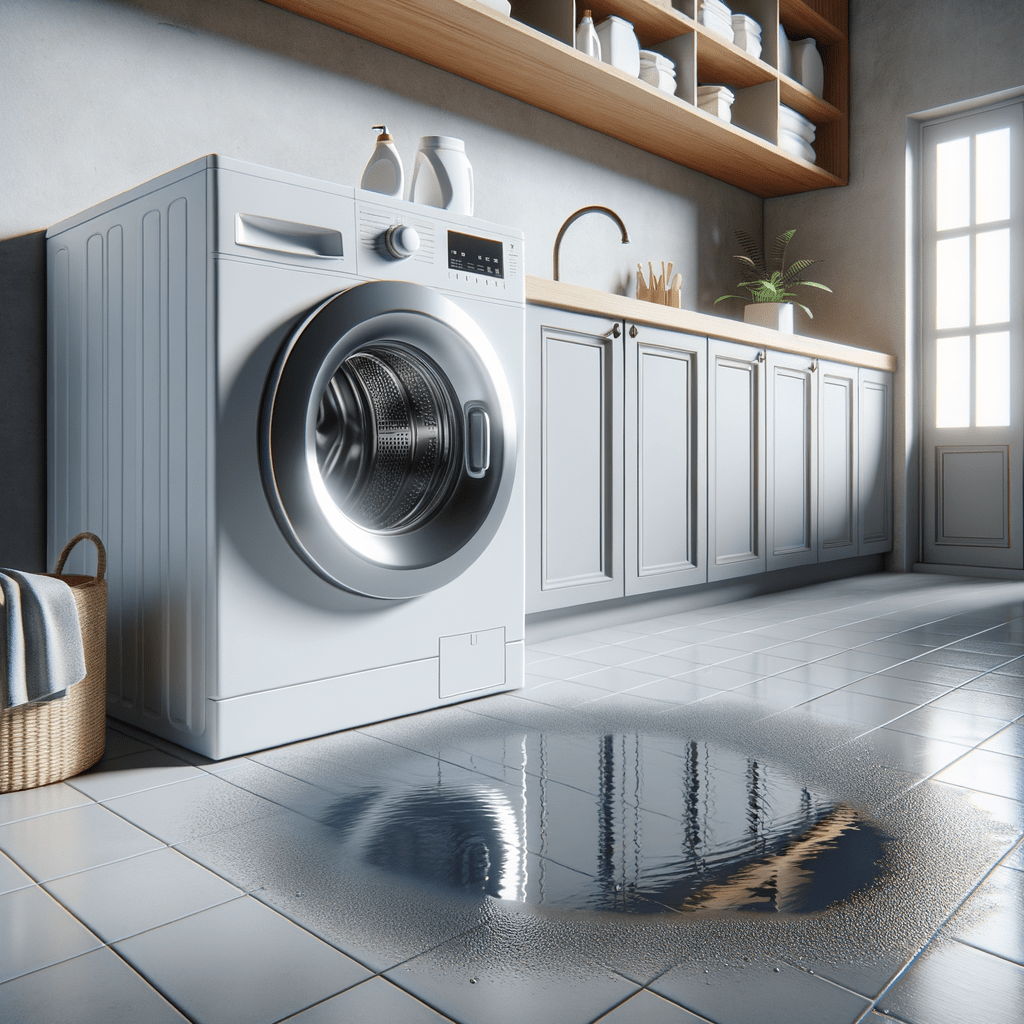
An expert insight on "Why Is My Washing Machine Leaking? Top 5 Culprits & Quick Fixes" and the topic of washing machine leaking by Vancouver Appliance Service Pros in Vancouver.

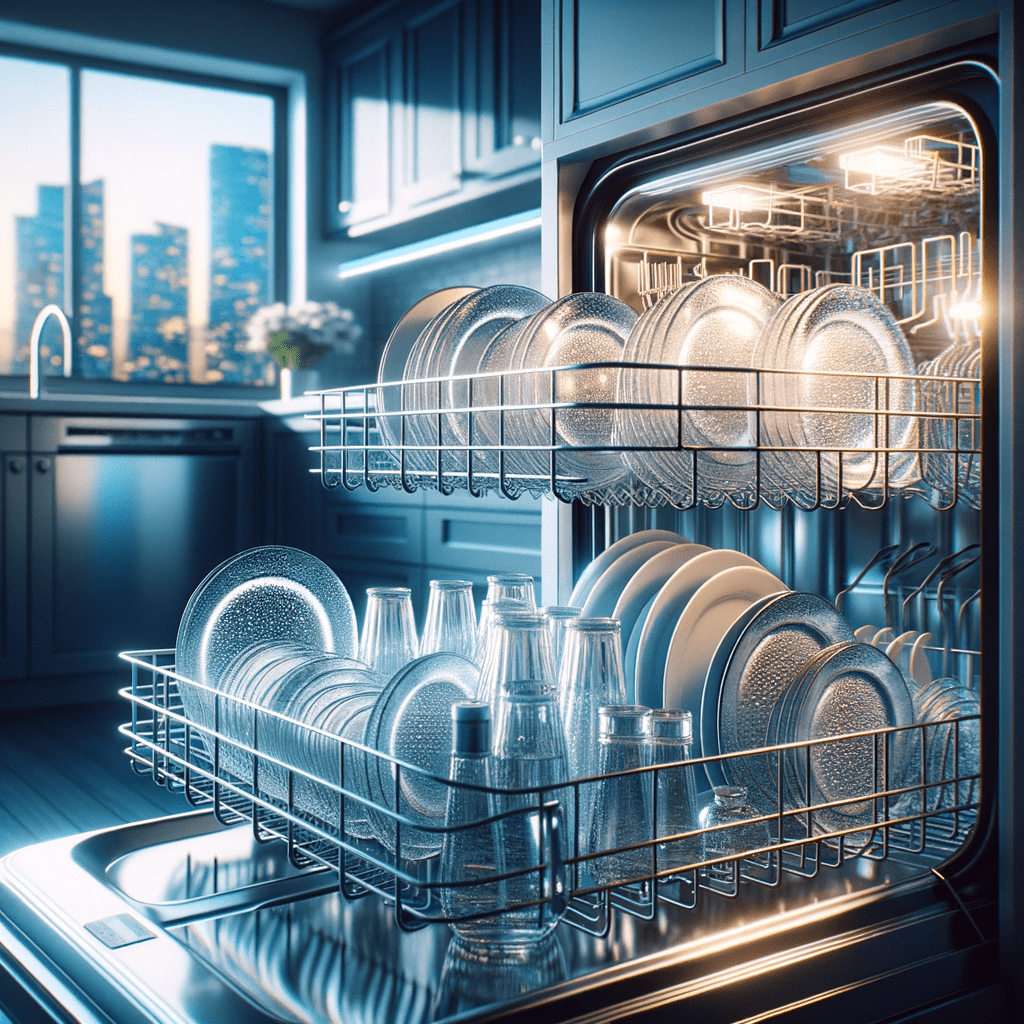
How to Clean a Dishwasher: Filter, Spray Arms, Vinegar Cycle, and More

Most people run the dishwasher but never run it through a cleaning cycle. Over time, grease, limescale, food residue, and soap scum build up inside the machine — on the filter, spray arms, door seals, and inner walls. The result is dishes that come out less clean, odours that linger, and a machine that works harder than it needs to. A proper dishwasher cleaning cycle takes under 30 minutes of active time and should be done every one to two months. Here’s the full process. Related Services: Dishwasher Repair in Vancouver Step 1: Clean the dishwasher filter The filter is the first place grease and food debris accumulates, and the most commonly neglected part of dishwasher maintenance. On most modern dishwashers, it’s a cylindrical filter at the bottom of the tub, inside the lower spray arm area. Remove the lower rack. Locate the filter — it’s usually a round assembly that twists counterclockwise to unlock. Pull out the cylindrical filter and the flat mesh filter underneath it. Rinse both under warm running water. Use a soft brush (an old toothbrush works) to scrub away grease and debris. For heavy buildup, soak in warm soapy water for 10 minutes before scrubbing. Reinstall — twist clockwise until it clicks into place. Don’t use a wire brush or abrasive pad on the filter — it damages the mesh. Clean the filter every 2 to 4 weeks if you run the machine daily, or monthly for average use. Step 2: Clean the spray arms The spray arms distribute water throughout the dishwasher. When the nozzle holes clog with limescale or food debris, cleaning performance drops — some areas of the load don’t get washed properly. Remove the lower spray arm by pulling straight up or unscrewing a retaining nut. Remove the upper spray arm — it typically slides off the fitting or unscrews counterclockwise. Hold each arm under running water and look through the nozzle holes. Blocked holes won’t pass water. Use a toothpick to clear any clogged holes. Soak in white vinegar for 20 minutes to dissolve limescale if scaling is present. Rinse and reinstall. Step 3: Clean the interior walls, door seals, and edges The inside walls of the dishwasher accumulate a greasy film. The door seal (rubber gasket around the door perimeter) collects food particles and mould. Both need regular wiping. Use a damp cloth with a little dish soap to wipe down the inner walls, door interior, and the bottom of the tub. Pay attention to the door seal — run your finger along it and use a cloth to clean any debris from the folds. Wipe the dispenser area and the spray arm fitting at the bottom. Step 4: Run a white vinegar cleaning cycle White vinegar dissolves limescale and removes odour-causing buildup. It’s safe for all major dishwasher brands and costs almost nothing. Remove all dishes and racks. Place a dishwasher-safe bowl or cup filled with 2 cups of white vinegar on the bottom rack (or directly on the bottom of the tub). Run a full hot water cycle — don’t add detergent, just the vinegar. The hot water will distribute the vinegar throughout the machine, stripping grease and mineral deposits. Step 5: Run a baking soda cycle (optional, for odours) After the vinegar cycle, sprinkle one cup of baking soda across the bottom of the dishwasher. Run a short hot cycle. This neutralizes remaining odours and brightens the interior. Don’t run vinegar and baking soda in the same cycle — they neutralize each other before doing much useful work. Do them as separate cycles. Best dishwasher cleaning tablets — what to look for Commercial dishwasher cleaning tablets (like Affresh, Finish, or Cascade) are a convenient alternative to the vinegar/baking soda method. They’re formulated to dissolve grease and limescale in a single cycle. Affresh Dishwasher Cleaner: Widely available in Canada. Use one tablet per cleaning cycle, without dishes, run on a hot cycle. Finish Dishwasher Cleaner: Available at most grocery stores. Effective on limescale buildup. Cascade Platinum ActionPacs: Can be used as a monthly maintenance cycle in addition to regular dishwasher detergent. Tablets are particularly useful if you have hard water (which Metro Vancouver generally doesn’t have — Vancouver water is naturally soft, so limescale isn’t as aggressive here as in other cities). How to use rinse aid properly Rinse aid significantly improves drying and prevents spots. Fill the rinse aid dispenser (usually next to the detergent dispenser) with any major brand rinse aid. The setting on most machines adjusts from 1 to 6 — start at 3 or 4, and adjust up if dishes still spot or down if there’s a soapy residue on glasses. How often should you run a cleaning cycle? Light use (a few times per week): Clean the filter monthly; run a cleaning cycle every 2 months Daily use: Clean the filter every 2 to 3 weeks; run a cleaning cycle monthly Family with heavy use: Clean the filter weekly; run a cleaning cycle every 3 weeks Signs your dishwasher needs more than cleaning Cleaning resolves most performance and odour issues. If after a full cleaning cycle your dishwasher still leaves food residue, smells bad, or isn’t draining, the problem is mechanical: Persistent drain issues → pump or drain hose problem Persistent cleaning issues after clear filters and spray arms → pump pressure or heating element Odour that won’t clear → possible mould in the door seal or drain hose; the drain hose may need replacement Vancouver Appliance Service handles dishwasher repairs and inspections across Metro Vancouver. If cleaning doesn’t solve it, we can diagnose and fix the underlying mechanical issue in a single visit.

How to Clean a Dishwasher: Filter, Spray Arms, Vinegar Cycle, and More Read More »

Call 604-265-3852 Call 604-265-3852 Book Online Book Online