Moving day got you worried about your precious appliances surviving the journey from your current home to your new Vancouver neighborhood? You’re absolutely right to be concerned – even the most careful relocations can result in costly appliance damage that leaves you scrambling for repairs or replacements. Picture this: you’ve just settled into your beautiful new place in Kitsilano, everything seems perfect until your refrigerator starts making weird grinding noises and your washing machine begins leaking all over your gorgeous hardwood floors. Sound like a nightmare? Unfortunately, it’s more common than most homeowners realize. Moving appliances safely isn’t just about getting them from point A to point B without dropping them – it’s about understanding that these complex machines have delicate internal components that can be damaged by improper handling, even when the exterior looks completely fine. The reality of appliance moving damage is that it’s often invisible at first glance. Your dishwasher might look perfect sitting in your new Burnaby kitchen, but if the internal components shifted during transport, you could be facing expensive repairs down the road. That’s why knowing how to protect your appliances during a move is absolutely crucial, especially in Vancouver where replacement costs and repair services come with premium price tags that can really impact your budget.
Related Services: Dishwasher Repair | Washing Machine Repair | Dryer Repair
Key Outtakes:
- Professional appliance movers use specialized equipment like dollies, sliders, and padded blankets to protect sensitive components and surfaces during transport
- Each appliance type requires specific preparation steps, from draining water lines in refrigerators to securing loose parts in dishwashers and properly disconnecting gas lines in stoves
- Timing is crucial for appliance moves – most services operate from 6 AM to 11 PM daily, with Friday and Saturday being the busiest days requiring advance planning
- Professional services offer transparent pricing based on truck size needs, from 16ft trucks for studio apartments to 48ft trucks for long-distance moves
- Proper reconnection involves more than just plugging things back in – it includes allowing settling time, checking connections, and potentially requiring professional installation for gas appliances
Understanding the Hidden Complexities of Appliance Moving
Moving appliances isn’t something you can just throw in a box and hope for the best. These aren’t your average household items – they’re complex machines with intricate internal mechanisms that require special handling throughout the entire moving process. Each appliance has tiny mechanical pieces that can be damaged if not properly secured and transported with the right techniques.
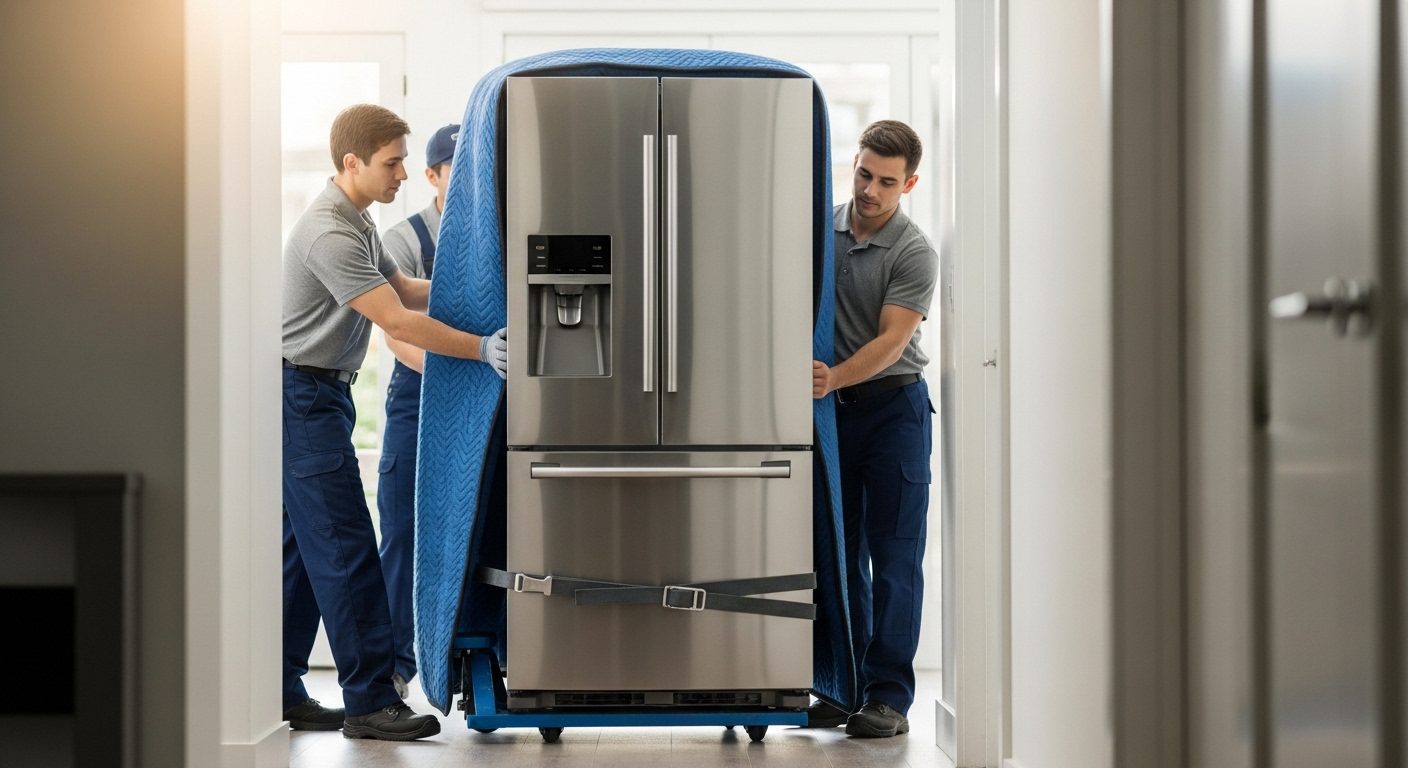
The weight factor alone makes appliance moving a serious undertaking. Your average refrigerator weighs between 200-300 pounds, while washers and dryers can easily tip the scales at 150-200 pounds each. But it’s not just about the weight – it’s about the awkward dimensions, the delicate surfaces, and those sensitive internal components that can shift and break if the appliance experiences too much jostling during transport.
What makes Vancouver particularly challenging for appliance moving is the city’s diverse housing stock. You might be moving from a modern condo with wide hallways and service elevators to a charming 1920s house in Yaletown with narrow doorways and steep staircases. Professional appliance movers who know this city inside out understand these unique challenges and come equipped with the specialized tools needed to navigate Vancouver’s varied architectural landscape safely and efficiently.
Pre-Move Preparation That Actually Matters
The secret to a successful appliance move starts days before the moving truck even arrives at your door. Proper preparation isn’t just about making the move easier – it’s about preventing expensive damage and ensuring your appliances work perfectly in their new home. This preparation phase is where most DIY moves go wrong, because people underestimate just how much advance planning these machines actually need.
Starting with your refrigerator, the defrosting process alone requires 24-48 hours of advance planning. You’ll need to remove all food items, unplug the unit, and allow ice buildup to melt completely while keeping doors propped open to prevent mold growth. Professional movers recommend placing towels around the base to absorb melting water and thoroughly cleaning all interior surfaces before securing doors with rope or bungee cords – never tape, as this can damage finishes.
Washing machines present their own unique challenges that require specific preparation steps. You’ll need to run a final rinse cycle, drain all water from internal components and hoses, and disconnect inlet hoses while allowing them to drain completely. For front-loading washers, securing the drum mechanism is absolutely critical, as unsecured drums can suffer severe internal damage during transport that often costs more to repair than the machine is worth.
Professional Moving Equipment and Protection Methods
After experiencing both the DIY disaster route and the professional service magic, I can tell you there’s a world of difference between the two approaches. The decision often comes down to more than just cost – it’s about understanding what you’re really getting when you hire professionals versus going it alone. Professional appliance movers bring specialized equipment that most homeowners simply don’t have access to, and this equipment makes all the difference in preventing damage.
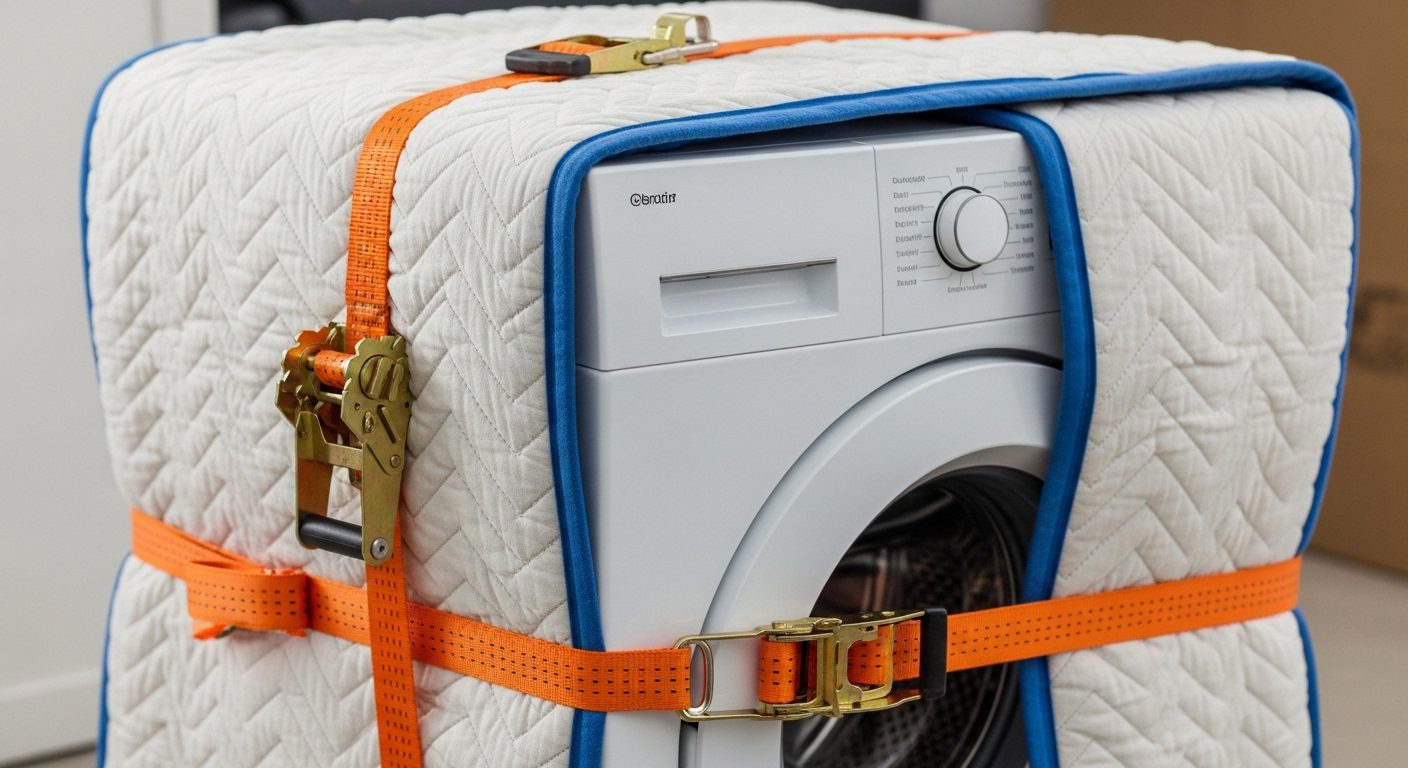
Professional appliance movers bring specialized equipment that most homeowners simply don’t have access to. We’re talking about appliance dollies designed specifically for heavy, awkward shapes, furniture sliders that protect floors while moving heavy items, and professional-grade straps that secure appliances properly during transport. They also come with padded blankets and protective wrapping materials that shield delicate surfaces from scratches and dents.
The investment in proper floor protection becomes especially important when you consider Vancouver’s housing market. Many homes feature beautiful hardwood floors or expensive tile work that can be permanently damaged by dragging heavy appliances. Professional movers use specialized floor runners, protective padding, and proper lifting techniques that eliminate the risk of gouges, scratches, or cracks that could cost thousands to repair.
Moving straps and tie-downs serve multiple critical purposes in appliance relocation beyond just securing items. They help bind doors shut, assist with proper weight distribution during lifting, and most importantly, ensure appliances remain stationary during transport. Ratchet straps provide superior holding power compared to bungee cords and ensure appliances stay exactly where they need to be throughout the journey.
Transportation Best Practices for Vancouver Moves
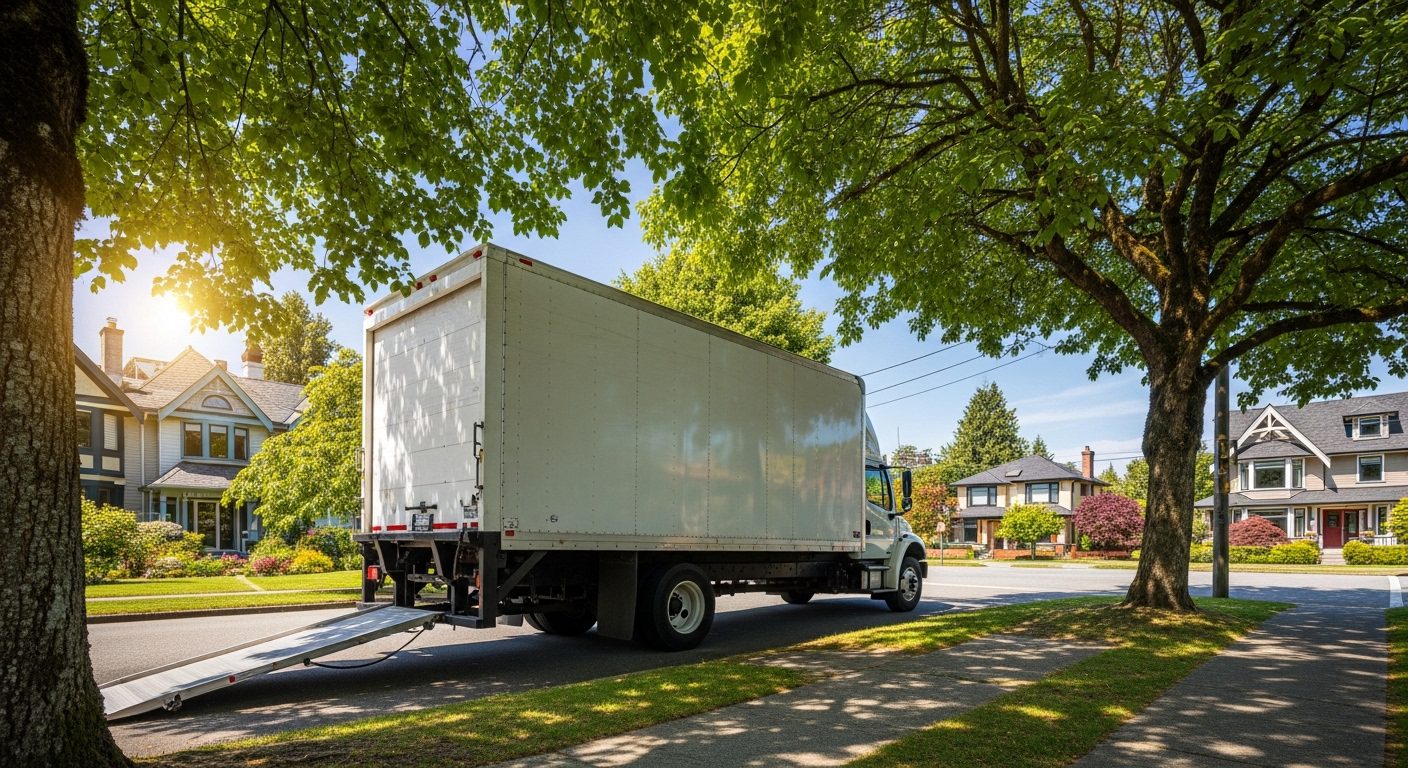
Once your appliances are properly prepped and ready to move, the transportation phase becomes critical for maintaining their condition and functionality. This is where understanding the specific needs of different appliance types can make or break your moving experience, especially when you’re dealing with Vancouver’s unique geographic challenges like steep hills in areas like Burnaby Heights or tight parking situations in downtown cores.
Refrigerators and freezers require special attention during transport to prevent compressor damage. These units must remain upright whenever possible, and if tilting becomes absolutely necessary to navigate tight spaces, the angle should never exceed 45 degrees. Professional movers understand that laying refrigeration units on their side can cause permanent damage to internal cooling systems, resulting in complete appliance failure.
The coastal climate in Vancouver adds another layer of complexity to appliance transportation that many people overlook. Humidity and temperature fluctuations during transport can affect sensitive electronic components, particularly in modern smart appliances with digital displays and connectivity features. Professional moving services account for these environmental factors by using climate-controlled trucks and protective wrapping that shields appliances from moisture and temperature extremes.
Timing considerations become particularly important for Vancouver moves, where traffic patterns and weather can significantly impact moving schedules. Most professional appliance moving services operate from 6 AM to 11 PM daily, but Friday and Saturday bookings require advance planning due to high demand. Understanding these scheduling realities helps ensure your move stays on track and your appliances spend minimal time in transport conditions.
Post-Move Setup and Reconnection
Successfully transporting your appliances is only half the battle – proper reconnection and setup in your new home is equally important for ensuring everything works correctly and safely. This phase often reveals whether your moving preparation was thorough enough and can make the difference between a smooth transition and weeks of troubleshooting problems. Many people rush this critical step, eager to get their kitchen and laundry room functional, but patience here really pays off.
The settling period for refrigerators is something many people rush through, often to their regret later. After transport, refrigerators need to sit upright and unplugged for at least 4-6 hours before being plugged in. This allows any compressor oil that may have shifted during transport to settle back into its proper position. Rushing this step can result in compressor damage that might not show up immediately but can significantly shorten your appliance’s lifespan.
Gas appliances require professional attention for reconnection, and this is where many DIY moves run into serious safety and legal issues. In British Columbia, gas line connections must be handled by licensed gas fitters to ensure safety compliance and maintain insurance coverage. Attempting to reconnect gas stoves or dryers yourself can void warranties, violate safety regulations, and create dangerous situations that put your family at risk.
Water line reconnections for dishwashers, washing machines, and refrigerator ice makers need careful attention to prevent leaks that can cause expensive damage to flooring and cabinetry. Professional installers test all connections thoroughly before considering the job complete, checking for proper water pressure, secure fittings, and leak-free operation under normal use conditions.
Frequently Asked Questions
How far in advance should I book appliance moving services in Vancouver?
For the best availability and rates, book your appliance moving services at least 2-3 weeks in advance, especially if you’re planning to move on a weekend. Friday and Saturday are the busiest days for moving services, so these dates fill up quickly and may require even more advance notice. If you’re moving during peak seasons like summer months or end-of-month periods, consider booking 4-6 weeks ahead.
What size moving truck do I need for different appliance combinations?
The truck size you need depends on how many appliances you’re moving and whether you’re combining them with other household items. For just a few appliances from a studio or one-bedroom apartment, a 16-foot truck is usually sufficient. Two-bedroom apartments typically require a 20-foot truck to accommodate the additional appliances and belongings, while larger homes may need trucks ranging from 26 to 48 feet for complete relocations.
Can I move appliances myself to save money?
While DIY appliance moving is possible, it comes with significant risks that often outweigh the cost savings. Without proper equipment and experience, you risk injury to yourself, damage to your appliances, and costly repairs to your home’s floors, walls, or doorways. Professional movers carry insurance and have the expertise to handle complex challenges like narrow staircases or tight corners that commonly cause problems for DIY attempts.
What should I do if my appliance isn’t working after the move?
First, ensure you’ve followed proper settling procedures, especially for refrigerators which need 4-6 hours of upright rest before plugging in. Check all connections including power cords, water lines, and gas connections if applicable. If problems persist, contact a qualified repair technician rather than attempting fixes yourself, as moving-related damage often requires professional diagnosis and repair to prevent further complications.
Wrapping Up
Moving appliances safely in Vancouver doesn’t have to be the stress-inducing nightmare that many people experience. With proper preparation, the right professional help, and attention to the specific needs of each appliance type, you can ensure your valuable machines make it to their new home in perfect working condition. The key is understanding that this isn’t just about lifting heavy objects – it’s about protecting complex mechanical systems that keep your household running smoothly.
At Vancouver Appliance Service Pros, we understand the unique challenges that come with appliance moves in our beautiful city. Whether you’re dealing with post-move appliance issues, need professional reconnection services, or require expert repairs for moving-related damage, our experienced technicians are here to help get your home back to full functionality quickly and affordably.