Marketing

how to repair dryer sensors

How to Diagnose and Repair Dryer Sensors for Optimal Efficiency

Is your dryer acting more like a sauna than a smart appliance? Let’s dive into the world of dryer and learn how to diagnose and repair dryer sensors for maximum efficiency! Related Services: Dryer Repair If your dryer is turning your laundry day into a never-ending saga, it might be time to give your repair dryer sensors a little TLC. These nifty little gadgets are the unsung heroes of your drying routine, ensuring your clothes come out perfectly dry and fresh. But when they start acting up, it’s like your dryer has a mind of its own—leaving you with damp clothes or running up your energy bill. Don’t worry, though! You don’t need to be an appliance repair wizard to get your dryer back on track. With just a few simple steps, you can diagnose and repair those pesky sensors right from the comfort of your home. So, grab your toolkit and let’s get started on making your dryer the efficient machine it was meant to be! Understanding Repair Dryer Sensors and Their Importance Before we jump into the nitty-gritty of repairs, let’s take a moment to understand on how to repair dryer sensors do and why they’re so crucial. Most modern dryers come equipped with moisture sensors that detect when your clothes are dry and automatically shut off the machine. This not only saves energy but also prevents over-drying, which can be harsh on your fabrics. However, these sensors can sometimes get dirty or malfunction, leading to inefficient drying cycles. If you’ve noticed your dryer running longer than usual or stopping before your clothes are dry, the sensors might be to blame. It’s essential to keep them clean and functioning correctly to maintain optimal efficiency and extend the life of your dryer. Now that we know what these sensors do, let’s explore how to diagnose and repair them. Whether you’re a seasoned DIYer or a newbie to appliance maintenance, we’ve got you covered with easy-to-follow steps and helpful tips. Diagnosing Dryer Sensor Issues So, you’ve noticed some odd behavior from your dryer, and you’re ready to play detective. Diagnosing dryer sensor issues isn’t as daunting as it sounds. The first step is to identify the symptoms, which can include cycles that end too soon or run indefinitely. These are telltale signs that your moisture sensors might be on the fritz. Begin by locating the moisture sensors inside your dryer. Typically, you’ll find them as two metal strips inside the drum, usually near the lint filter. If they’re covered in a waxy film, especially if you use dryer sheets, that’s a clear indicator they need cleaning. A dirty sensor can’t accurately detect moisture levels, leading to inefficient drying. Once you’ve identified the problem, it’s time to roll up your sleeves and get to work. Cleaning the sensors is a straightforward process that can often resolve minor issues. Let’s move on to the steps for cleaning and, if necessary, replacing those sensors. Cleaning and Repair Dryer Sensors Cleaning the sensors is a quick and easy fix that can save you a lot of hassle down the road. All you need are a few simple tools: alcohol wipes, a wire brush, or fine sandpaper. Regular cleaning can prevent sensor malfunctions and keep your dryer running smoothly. Step 1: Locate and Prepare First, make sure your dryer is unplugged for safety. Locate the moisture sensors inside the drum; they’re usually near the lint filter. Once you’ve found them, you’re ready to start cleaning. Step 2: Clean the Sensors Use alcohol wipes to gently clean the metal strips, wiping them down three or four times until they shine. Alternatively, you can use a small wire brush or fine sandpaper to remove any residue. This will help the sensors accurately detect moisture levels again. Step 3: Test the Sensors After cleaning, it’s time to test your handiwork. Set your dryer to Auto Dry and place a damp cotton shirt inside. Run the cycle and check if the dryer turns off when the shirt is dry. If it does, congratulations, you’ve successfully repair dryer sensors! Replacing Dryer Sensors If cleaning doesn’t do the trick, it might be time to replace the sensors. Don’t worry—this is still a DIY-friendly task. Replacing dryer sensors can seem intimidating, but with a bit of patience, you’ll have your dryer back in tip-top shape. Step 1: Unplug and Access As always, safety first! Unplug your dryer and pull it out to give yourself plenty of room to work. You’ll need to remove the top and front panels to access the sensors. Step 2: Remove the Old Sensors Once you have access, locate the moisture sensors secured by a screw and wire harness. Unplug the harness, remove the screw, and gently pull out the old sensors. Keep track of the screws and parts as you go. Step 3: Install New Sensors Position the new moisture sensors in place, secure them with the screw, and reattach the wire harness. Reassemble your dryer, plug it back in, and run a test cycle with a load of wet clothes to ensure everything is working correctly. Frequently Asked Questions How much does it cost to replace a dryer heat sensor? The cost of replacing a dryer heat sensor can vary depending on the brand and model of your dryer. On average, you might spend anywhere from $20 to $50 for the part itself. If you choose to hire a professional for the job, expect to add labor costs, which could range from $100 to $150. Doing it yourself is a great way to save some cash! Why do dryer moisture sensors fail? Dryer moisture sensors often fail due to a buildup of residue, especially if you use dryer sheets. The waxy film from these sheets can coat the sensors, preventing them from accurately detecting moisture levels. Regular cleaning can prevent this issue, but over time, sensors may also wear out from regular use and require replacement. How do you know if your dryer sensor is

How to Diagnose and Repair Dryer Sensors for Optimal Efficiency Read More »

how to replace refrigerator fuse

How to Identify and Replace Refrigerator Fuse to Prevent Power Outages

Is your refrigerator giving you the cold shoulder? Dive into our guide to identify and replace the refrigerator fuse, keeping those power outages at bay! Related Services: Fridge Repair We all know the refrigerator is the unsung hero of our kitchens, keeping our snacks cool and our leftovers fresh. But what happens when this trusty appliance decides to take an unexpected nap? Before you panic and start dialing every appliance repair service in town, let’s explore a DIY solution that could save the day: checking and replacing the refrigerator fuse. Yes, you heard that right! Sometimes, the root of the problem is as simple as a blown fuse. So, grab your tool kit, and let’s get to work! Now, before you roll up your sleeves and channel your inner handyman or woman, let’s chat about why this tiny component is so important. A refrigerator fuse is like a safety net for your appliance, preventing electrical overloads that can lead to bigger, more expensive issues. Whether you’re living in a cozy apartment or a sprawling house, knowing how to tackle this small but mighty repair can make a world of difference. Plus, it’s a great way to flex those eco-friendly muscles by extending the life of your appliance. Ready to become a refrigerator repair pro? Let’s jump in! Understanding the Refrigerator Fuse Alright, let’s get down to the nitty-gritty of the refrigerator fuse. This little gadget is a lifesaver when it comes to protecting your appliance from electrical mishaps. Think of it as the guardian angel of your fridge, stepping in to cut off power when things get too heated—literally. Overheating can cause the thermal fuse to blow, which then stops the refrigerator from working. While this might sound like a bummer, it’s actually a good thing because it prevents further damage. So, how do you know if your fuse is the culprit behind your fridge woes? One telltale sign is if the evaporator inside the fridge starts to freeze over. This usually means the thermal fuse has done its job and needs replacing. Another hint might be the lights inside your fridge going out while the rest of the house is still lit up like a Christmas tree. If you’re nodding along, thinking, “Yep, that’s my fridge,” then it’s time to roll up those sleeves and get to work. Before you dive into replacing the fuse, remember to unplug your refrigerator. Safety first, folks! Once that’s done, you’ll need to locate the fuse, which is usually tucked away behind some paneling. Depending on your fridge model, it might be inside or at the rear bottom near the compressor. Grab your trusty owner’s manual for guidance, and let’s move on to the next step. Identifying and Replacing the Refrigerator Fuse Now that you’ve got a handle on what the fuse does and why it’s important, let’s talk about how to actually replace it. This process might sound daunting, but trust me, it’s easier than assembling that flat-pack furniture you bought last month. With a few simple tools and a dash of confidence, you’ll have your fridge back up and running in no time. Gather Your Tools First things first, make sure you have the right tools on hand. You’ll need a Phillips head screwdriver, a flat head screwdriver, wire cutters, and some zip ties. These are pretty standard items you might already have lying around your home. Once you’ve got your tools ready, it’s time to find that pesky fuse. Locate the Fuse With your refrigerator unplugged, use the owner’s manual to locate the fuse. It’s usually behind some paneling, either inside the fridge or at the bottom rear near the compressor. Use the Phillips head screwdriver to remove any screws holding the panel in place, and then gently pry it open with the flat head screwdriver. Be careful not to damage any wires while doing this. Replace the Fuse Once you’ve exposed the thermal fuse, it’s time to replace it. The fuse is typically connected with plastic clips. Carefully unclip the old fuse and replace it with a new one. If the wiring is secured with zip ties, use the wire cutters to remove them and apply new zip ties once the new fuse is in place. Reassemble the paneling, plug the fridge back in, and voilà! Your fridge should be back to its chilly self. Frequently Asked Questions How do I know if my refrigerator fuse is blown? If your refrigerator suddenly stops working or the lights inside go out, a blown fuse could be the issue. Another sign is if the evaporator inside the fridge starts to freeze over. These symptoms indicate that the thermal fuse has tripped to prevent overheating, and it’s time to replace it. How to check refrigerator thermal fuse? To check the thermal fuse, first, unplug the refrigerator for safety. Then, locate the fuse by referring to your owner’s manual—it’s usually behind some paneling inside the fridge or near the compressor. Once you’ve found it, inspect the fuse for any visible damage or signs of tripping. What fuse does a fridge use? Most refrigerators use a thermal fuse, which is designed to trip when the appliance overheats. The specific type of fuse can vary depending on the refrigerator model, so it’s important to check your owner’s manual or consult with a professional to ensure you get the correct replacement. Wrapping Up And there you have it, folks! Replacing a refrigerator fuse might seem like a daunting task at first, but with the right tools and a little know-how, it’s a DIY project that’s totally manageable. Not only will you save some cash on repair bills, but you’ll also gain a newfound appreciation for the inner workings of your trusty fridge. Remember, while DIY repairs can be satisfying, safety is always the top priority. If you ever feel unsure about tackling this task, don’t hesitate to call in a professional. They’re just a phone call away and can ensure your appliance is repaired safely

How to Identify and Replace Refrigerator Fuse to Prevent Power Outages Read More »

how to repair oven fuse blown

How to Replace an Oven Fuse Blown for Safe and Consistent Heating

Is your oven fuse blown and refusing to heat up properly? Let’s dive into the world of oven fuses and get your kitchen back to its cozy, warm self! Related Services: Oven Repair You know that feeling when you’re ready to bake those cookies, but your oven is just not heating up? Total bummer, right? Before you start blaming your baking skills, it might just be a case of a blown oven fuse. But don’t worry, because replacing an oven fuse is easier than you think, and I’m here to guide you through it. In the world of electric ovens, fuses play a crucial role. They’re like the unsung heroes keeping your appliance from overheating or going haywire. However, when they blow, it can feel like your oven’s on strike. But fear not, because with a little know-how, you can replace that blown fuse and get your oven back to its baking glory. So, grab your tool kit, and let’s get started on this electrifying journey! Understanding the Oven Fuse Blown Problem First things first, let’s talk about what an oven fuse does and why it might blow. An oven fuse is a safety device designed to protect your appliance from electrical surges. When there’s too much electricity flowing through, the fuse blows to prevent damage. It’s like your oven’s personal bodyguard against electrical mishaps. Now, why do these fuses blow? It could be due to a short circuit, a malfunctioning oven component, or even a circuit overload. Imagine your oven trying to juggle too many tasks at once, and the fuse is just like, “Nope, not today!” Understanding these reasons can help you prevent future blowouts and keep your oven running smoothly. Replacing a blown fuse might sound intimidating, but it’s actually a straightforward process. With a few simple steps, you can swap out that faulty fuse and restore your oven’s heating prowess. Plus, it’s a great way to flex those DIY muscles and save some bucks on repair costs. Ready to become an oven-fixing pro? Let’s dive into the nitty-gritty of fuse replacement! Steps to Safely Replace an Oven Fuse Blown Before we jump into the fuse replacement process, it’s essential to ensure safety first. Always unplug your oven or turn off the power at the main panel before you start fiddling with anything. Safety goggles and a trusty screwdriver are your best friends in this mission. Locating the Fuse The first step is to find the fuse. In most ovens, the fuse is located under the cooktop. You might need to lift the top of the range or remove the drip pans and look on the sides of the cabinet. If you’re unsure, check your oven’s manual for guidance. Once you’ve located the fuse, it’s time to assess the situation. If the fuse looks burnt or damaged, it’s likely the culprit behind your oven’s cold shoulder. Make sure to have a replacement fuse of the same type and electrical rating ready to go. Replacing the Fuse With the power off and the fuse located, gently unscrew the old fuse. Be careful not to damage any surrounding components. Once removed, screw in the new fuse, ensuring it’s snug and secure. It’s a simple swap, but it can make all the difference in your oven’s performance. After replacing the fuse, it’s time to test your oven. Turn the power back on and see if it’s heating up as it should. If all goes well, you’ve successfully replaced your oven fuse blown like a pro. Pat yourself on the back and get ready to bake those cookies! Tips to Prevent Future Oven Fuse Blown Issues Now that you’re a fuse-replacing expert, let’s talk about preventing future blowouts. Regular maintenance and a few precautions can go a long way in keeping your oven fuse blown intact and your appliance running smoothly. Regular Maintenance One way to prevent fuse issues is by keeping your oven clean and well-maintained. Regularly check for any signs of wear and tear, and address them promptly. A little TLC goes a long way in prolonging your oven’s lifespan. Also, be mindful of how many appliances you have running on the same circuit. Overloading a circuit can lead to blown fuses, so try to distribute your electrical load evenly. It’s all about balance, just like in life! Professional Check-Ups If you’re ever in doubt or encounter persistent fuse issues, don’t hesitate to call in a professional. They can provide a thorough inspection and address any underlying problems. Sometimes, a little expert advice is all you need to keep your oven in top-notch condition. Remember, safety is key. If you’re not comfortable handling electrical components, it’s always best to consult a professional. Your oven will thank you for it! Frequently Asked Questions Why does my oven keep blowing the fuse? Your oven might be blowing the fuse due to several reasons. A common cause is a circuit overload, where the oven draws more power than the circuit can handle. This can happen if multiple appliances are connected to the same circuit, leading to excessive power consumption. Another reason could be a short circuit, which occurs when wires come into contact and increase amperage. A malfunctioning oven component might also be the culprit, causing the appliance to draw excessive electricity. Identifying the root cause can help you address the issue effectively. How to tell if an oven fuse is blown? To determine if your oven fuse is blown, first ensure the oven is unplugged or the power is off. Locate the fuse, usually found under the cooktop or at the back of the oven. If the fuse appears burnt or damaged, it’s likely blown. You can also use a multimeter to test for continuity. If the multimeter doesn’t show a reading, the fuse is blown and needs replacing. Always remember to replace it with a fuse of the same type and rating. What causes an oven fuse to trip? An oven fuse can trip due to several factors. One

How to Replace an Oven Fuse Blown for Safe and Consistent Heating Read More »

how to fix washing machine fuse

How to Fix a Washing Machine Fuse That Won’t Start Up

Is your washing machine giving you the silent treatment? Let’s dive into the world of washing machine fuses and get your laundry game back on track! Related Services: Washing Machine Repair Picture this: you’re all set to tackle Mount Laundry, only to find your washing machine isn’t starting. Cue the panic! But before you start imagining life without clean clothes, take a deep breath. Sometimes, the solution is as simple as fixing a washing machine fuse. This tiny component can be the difference between a functioning appliance and a stubbornly silent one. Now, don’t let the idea of a DIY repair scare you off. With a bit of guidance and a few tools, you can troubleshoot and potentially fix the issue yourself. Whether you’re a homeowner, apartment dweller, or eco-conscious repair enthusiast, this guide will walk you through the steps to get your washing machine back in action. So roll up those sleeves, and let’s get started! Understanding the Problem: Washing Machine Fuse Woes Washing machines, like any other household appliance, can sometimes throw a tantrum and refuse to start. One common culprit is a blown fuse. But what exactly is a washing machine fuse, and why does it matter? Simply put, a fuse is a safety device that protects your machine from electrical overloads. If it blows, your machine won’t start, and it’s a sign that something needs attention. Fuses are typically located in the control panel of the washing machine, and they can be tricky to access. However, they play a crucial role in ensuring your appliance doesn’t fry itself due to electrical issues. If you’re experiencing problems, checking the fuse should be one of your first steps. It’s a simple yet often overlooked component that can save you a lot of hassle and expense. Before you dive into the repair, it’s important to gather the right tools and take safety precautions. You’ll need a screwdriver, a multimeter, and possibly some replacement fuses. And remember, always disconnect your washing machine from the power source before attempting any repairs. Safety first, folks! Diagnosing the Issue: Is It Really the Fuse? Before you go all-in on fixing the fuse, it’s essential to make sure that’s the actual issue. There are several reasons a washing machine might not start, and a fuse is just one of them. Start by checking if your machine is plugged in and if the circuit breaker hasn’t tripped. These might seem like no-brainers, but you’d be surprised how often simple solutions are the answer. Checking the Power Source Sometimes, the problem is as basic as a loose power cord. Washing machines can vibrate quite a bit during cycles, and this can cause the plug to wiggle out of the socket. Ensure your machine is firmly plugged in. If that doesn’t work, test the outlet with another device to see if it’s working. If the outlet is dead, you might have a tripped circuit breaker on your hands. Inspecting the Lid Switch For top-load washing machines, the lid switch is a common culprit. This safety feature ensures the machine only operates when the lid is closed. If the switch is faulty, your machine won’t start. Use a multimeter to test the switch’s continuity. If the test comes back negative, it’s time to replace the switch. Examining the Control Board In some cases, the issue might be deeper within the machine’s electronics. The control board manages the main functions of the appliance, and if it’s malfunctioning, your washer won’t start. Unplug the machine and inspect the back of the control board for any signs of damage or burning. If you spot any, consider calling in a professional, as this is a more complex repair. Replacing the Washing Machine Fuse So, you’ve done your detective work, and it seems like the fuse is indeed the problem. Time to roll up your sleeves and get to work! Replacing a washing machine fuse isn’t rocket science, but it does require a bit of patience and attention to detail. Here’s how you can do it. Accessing the Control Panel First things first, unplug your washing machine. Safety is key! Next, locate the control panel, usually found at the top of the machine. You’ll need to remove a few screws to access it. Keep those screws safe—you’ll need them later. Once you’ve got the panel open, you should see the fuse. Identifying the Blown Fuse Blown fuses are often easy to spot—they’ll be blackened or broken. If you’re unsure, use a multimeter to test the fuse’s continuity. A negative result means it’s time for a replacement. Make sure to get the correct fuse type for your machine model; your owner’s manual or manufacturer’s website can help with this. Replacing the Fuse With the faulty fuse identified, carefully remove it and replace it with a new one. Be gentle and ensure it’s securely in place. Once done, reassemble the control panel, plug your machine back in, and give it a test run. With any luck, you’ll hear the sweet sound of a working washing machine! Frequently Asked Questions What to do if the washing machine is plugged in but won’t turn on? If your washing machine is plugged in but still won’t turn on, start by checking the circuit breaker. It might have tripped, cutting power to the outlet. If the breaker is fine, test the outlet with another device to ensure it’s working. If the outlet is dead, you may need an electrician to check the wiring. How do I know if my washing machine fuse is blown? A blown fuse will often appear blackened or broken. To be sure, test the fuse with a multimeter for continuity. If the multimeter shows no continuity, the fuse is blown and needs replacing. Always refer to your washing machine’s manual for specific guidance on fuse location and type. Why is my washing machine not starting the cycle? There could be several reasons your washing machine isn’t starting a cycle. Check if the door or

How to Fix a Washing Machine Fuse That Won’t Start Up Read More »

stovetop burner fails to ignite

What Need to I Do If the Stovetop Burner Fails to Ignite?

Stovetop burner giving you the silent treatment? Dive into our sizzling guide to reignite your culinary adventures and get those flames dancing again! Related Services: Stove Repair We all know the kitchen is the heart of the home, and if you’re anything like me, your stovetop is the beating pulse. But what happens when that pulse flatlines and your burner refuses to ignite? Panic not! This is a common hiccup, and I’m here to walk you through the solutions. Whether you’re a seasoned chef or a ramen enthusiast, a malfunctioning burner can throw a wrench in your meal prep plans. Understanding the Problem When your gas stovetop burner fails to ignite, it can feel like a culinary crisis. But don’t worry, the problem is often something you can fix yourself. The first step is understanding why your burner might be giving you the cold shoulder. Let’s break it down. One of the most common culprits is debris blocking the gas flow. Over time, food particles and grease can build up, preventing the burner from lighting. Another possibility is a loose connection in the wiring. This can happen if you’ve recently cleaned or moved your stove. Lastly, a faulty igniter might be the root of your woes, requiring a simple replacement. Now that we know what might be causing the issue, let’s explore how to tackle each problem. You’ll be back to sautéing and simmering in no time! Common Causes and Solutions Before you start envisioning a life without your trusty stovetop, let’s explore some common causes and solutions. These are straightforward fixes that can save you a call to the repairman and get your kitchen back in business. Debris Blockage Debris is often the main villain in the saga of the stubborn burner. Food crumbs and grease can accumulate, blocking the gas flow to the igniter. To tackle this, start by removing the grate and burner cap. Clean the area with a warm, soapy cloth, and soak the burner base in vinegar or warm water. Use a stiff brush to scrub away any debris, and a toothpick or sewing needle to clear the burner holes. Reassemble everything and give it a try! Loose Connections Loose connections can also play a role in your burner’s refusal to ignite. If you’ve recently cleaned or moved your stove, the wires connecting the igniter to the control module might have come loose. First, unplug your stove or flip the breaker. Remove the grate and burner cap, then check for any loose or disconnected wires. Secure any loose connections, reassemble the parts, and restore power to see if your burner is back in action. Faulty Igniter If debris and connections aren’t the issue, a faulty igniter might be to blame. To check, turn off the lights and twist the control knob to the ignite position. If the spark is yellow or orange instead of a bright bluish-white, it’s time for a replacement. Cut the power and gas, remove the burner cap and base, and disconnect the old igniter. Install a new one using the model number of your stove, then reassemble and test the burner. Frequently Asked Questions How does a stovetop burner work? A gas stovetop burner works by releasing gas through a valve when you turn the knob. The gas mixes with air and flows through the burner holes. An igniter creates a spark that lights the gas, producing a flame. This process allows you to control the heat for cooking. Why won’t my stovetop burner ignite? There are several reasons why a stovetop burner might not ignite. Common issues include debris blocking the gas flow, loose connections in the wiring, or a faulty igniter. Moisture in the burner head or incorrect placement of the burner cap can also prevent ignition. Identifying the cause is the first step to fixing the problem. How to fix a stovetop burner that won’t light? To fix a stove burner that won’t light, start by cleaning any debris from the burner base and holes. Check for loose or disconnected wires and secure them if necessary. If the igniter is faulty, replace it with a new one matching your stove’s model. Ensure all parts are dry and correctly positioned before testing the burner again. https://www.tumblr.com/vancouverapplianceservice/765226581513945088/what-need-to-i-do-if-the-stovetop-burner-fails-to Wrapping Up And there you have it, folks! Just because your burner is being a diva doesn’t mean you need to throw in the towel. With a little bit of investigation and some simple fixes, you can often resolve the issue yourself. Remember, keeping your stove clean and regularly checking connections can prevent these problems from cropping up in the first place. If you’ve tried everything and your burner is still not cooperating, it might be time to call in the Vancouver Appliance Service Pros. They can provide a more in-depth diagnosis and get your kitchen back to its fiery glory. Until then, happy cooking and may your burners always ignite on the first click! stove burner repair service

What Need to I Do If the Stovetop Burner Fails to Ignite? Read More »

remove microwave burnt stains and smell

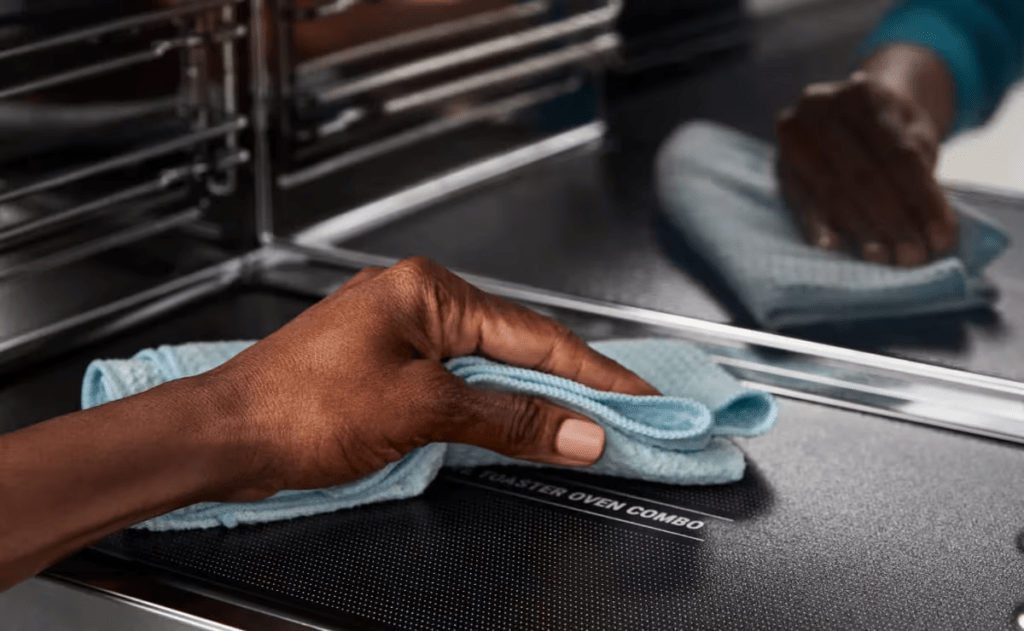
How Do I Clean the Microwave Burnt-On Mess?

Tackling a microwave with a burnt-on mess? Don’t sweat it—let’s explore the best ways to clean it up and get your kitchen smelling fresh again! Related Services: Microwave Repair Hey there, microwave warriors! We all know that microwaves are like the unsung heroes of the kitchen. They zap our leftovers back to life and make popcorn night a breeze. But, oh boy, when that popcorn turns into a charcoal brick, we’re left with a sticky, smelly mess. Don’t worry, though! I’m here to guide you through the chaos and help you rescue your microwave from the clutches of burnt-on disasters. Cleaning a microwave burnt-on mess might seem like a daunting task, but it’s totally manageable with the right approach. Whether you’re a homeowner or a busy renter, you deserve a microwave that doesn’t smell like last week’s burnt popcorn. So, let’s dive into some fun and effective methods to tackle those stubborn stains and odors, and get your microwave back in tip-top shape! Understanding the Microwave Burnt-On Mess Before we jump into the cleaning frenzy, let’s talk about what’s happening inside your microwave. When food gets overcooked, it releases smoke and tiny particles that stick to the microwave’s interior. This not only leaves a burnt-on mess but also creates a lingering smell that’s hard to ignore. The longer you leave it, the more stubborn it becomes, so it’s best to act quickly! Burnt food particles can affect the flavor of your food and even seep into your kitchen cabinets. This is why it’s crucial to address the issue promptly. Ignoring it can lead to more than just an unpleasant smell; it can also pose a fire hazard if not cleaned properly. So, let’s get to work and make sure your microwave is fresh and ready for action! But fear not! With a little elbow grease and some household items, you can banish the microwave burnt-on mess and the smell that comes with it. Let’s explore some tried-and-true methods to clean your microwave and keep it smelling fresh. Effective Cleaning Methods Now that we understand the problem, it’s time to roll up our sleeves and get cleaning. There are several methods to choose from, depending on the severity of the mess and your personal preferences. Let’s explore some of these techniques and find the one that works best for you. Steam Cleaning with Water First up, let’s talk about the power of steam. It’s like giving your microwave a spa day! Start by removing any loose debris or microwave burnt pieces. Then, fill a microwave-safe container with one cup of water and heat it for 3 to 4 minutes. The steam will help loosen up the grime, making it easier to wipe away. Once the steam has done its magic, grab a soft cloth and dip it in water with a little dish soap. Gently wipe down the interior of the microwave, making sure to follow the grain if it’s stainless steel. Rinse with clean water and dry with a lint-free cloth. Leave the door open for a few hours to air it out, and voilà—your microwave is fresh and clean! Using Lemon Juice or Vinegar If the microwave burnt smell is still hanging around, it’s time to call in reinforcements. Lemon juice and vinegar are natural odor neutralizers that can help tackle even the toughest smells. Mix one cup of water with a tablespoon of lemon juice or vinegar in a microwave-safe container, and heat for 2 to 5 minutes. Let the steam work its magic, then wipe the interior with a dry sponge or rag. If you’re not a fan of the vinegar or lemon scent, try adding vanilla extract or coffee grounds to the mix. This method not only cleans but also leaves your microwave smelling delightful! Overnight Deodorizing For those stubborn odors that just won’t quit, an overnight deodorizing session might be in order. Place an open box of baking soda, a cup of activated charcoal, or some dried coffee grounds inside your microwave before bedtime. Let it sit overnight to absorb any lingering smells. In the morning, remove the deodorizer and enjoy a fresh-smelling microwave. If the cabinets above your microwave are also affected, consider moving the deodorizer there to help absorb any trapped odors. Remember, a clean microwave is a happy microwave! Frequently Asked Questions How do you fix a burnt microwave? Fixing a burnt microwave starts with a thorough cleaning. Begin by unplugging the microwave for safety. Remove any loose debris, then use the steam cleaning method with water or a vinegar solution to loosen burnt-on grime. Wipe down the interior with a soft cloth and dish soap, rinse, and dry. If the microwave burnt smell persists, try the overnight deodorizing method with baking soda or activated charcoal. Can I still use a burnt microwave? Yes, you can still use a burnt microwave, but it’s important to clean it first. If the microwave only smells microwave burnt but isn’t damaged, a good cleaning should make it safe to use again. However, if any parts of the microwave appear damaged or burned, it’s best to consult a professional or consider replacing the appliance to avoid fire hazards. What causes a microwave to burn inside? Microwaves burn inside when food particles are overcooked, releasing smoke and residue that stick to the interior. This often happens with dry or starchy foods like popcorn or bread. To prevent this, keep a close eye on your food while it’s cooking, and make sure to use microwave-safe containers to avoid overheating. Wrapping Up There you have it, folks! Cleaning a microwave with a burnt-on mess doesn’t have to be a nightmare. With the right techniques and a little patience, you can restore your microwave to its former glory and keep your kitchen smelling fresh. Remember, regular cleaning and maintenance are key to preventing future mishaps. Whether you’re a busy homeowner or a renter on the go, these cleaning methods are designed to fit into your lifestyle. So go ahead,

How Do I Clean the Microwave Burnt-On Mess? Read More »

how to clean and maintain refrigerator coils

How Do I Clean and Maintain My Refrigerator Coils?

Is your fridge acting more like a sauna than a chiller? Let’s dive into the world of refrigerator coils and learn how to keep them clean and your energy bills low! Related Services: Fridge Repair Ever wondered why your refrigerator feels like it’s struggling more than you do on a Monday morning? Well, the secret might just be lurking in the back—or at the bottom—of your trusty cold box. Yep, we’re talking about those mysterious refrigerator coils. These unsung heroes of your kitchen appliance are crucial for keeping everything inside chilled and fresh. But when they get dirty, your fridge has to work overtime, and your energy bills can skyrocket faster than your favorite TikTok dance. So, let’s get down and dirty with some coil knowledge and maintenance tips! Now, I know what you’re thinking: “Coils? Really?” But hear me out! Keeping your refrigerator coils clean is like giving your fridge a spa day. It’s an essential part of appliance maintenance that can extend the life of your fridge and keep those groceries cool without breaking the bank. Plus, it’s not as hard as you might think. With just a few simple steps, you can have your refrigerator running as efficiently as when it was brand new. So, grab your vacuum and your coil brush, and let’s get started! Why Dirty Refrigerator Coils Are a Big Deal Alright, so you might be wondering, “What’s the big deal with dirty coils anyway?” Well, let me break it down for you. Refrigerator coils, also known as condenser coils, are responsible for dissipating heat from your fridge. When they’re covered in dust and pet hair, they can’t do their job properly. This means your fridge has to work extra hard to keep things cool, which not only drives up your energy bills but can also lead to a breakdown. Think of it like this: if your coils are dirty, your fridge is like a runner trying to sprint with weights tied to their ankles. Not fun, right? Dirty coils can cause your fridge to overheat, leading to poor cooling performance and even food spoilage. And let’s be honest, nobody wants to deal with spoiled milk or wilted veggies. So, if you’ve noticed your fridge isn’t as cool as it used to be, it might be time to give those coils some TLC. But don’t worry, cleaning your refrigerator coils is a breeze! It’s one of those tasks that sounds intimidating but is actually super simple once you know what to do. Plus, it only needs to be done every six months to a year, depending on your household’s dust and pet hair situation. Trust me, your fridge (and your wallet) will thank you! How to Clean Your Refrigerator Coils Alright, fridge fanatics, let’s get into the nitty-gritty of cleaning those coils. Before you start, make sure you’ve got a vacuum with a crevice tool, a coil cleaning brush, and maybe some compressed air for those hard-to-reach spots. Ready? Let’s do this! Step 1: Turn Off Your Refrigerator First things first, safety! Before you start cleaning, make sure to turn off your refrigerator. This prevents any chance of electric shock and gives your fridge a little break while you work your magic. Unplug it from the wall, and you’re good to go. Step 2: Locate the Coils Next up, you need to find those sneaky coils. Depending on the model of your fridge, they could be at the back or at the bottom. Older fridges usually have coils at the back, while newer models might hide them behind a grill at the bottom. If you’re not sure, check your fridge’s manual for guidance. Step 3: Vacuum the Coils Now that you’ve found the coils, it’s time to vacuum away the dust and debris. Use the crevice tool to get as close as possible, and make sure to vacuum the floor around the fridge too. This will help prevent any loose dirt from getting back on the coils later. Step 4: Use a Coil Cleaning Brush For the stubborn dirt that the vacuum couldn’t reach, grab your coil cleaning brush. This handy tool is designed to get between the coils and loosen any remaining grime. Just be gentle to avoid damaging the coils, and use your vacuum to catch any falling debris. Step 5: Use Compressed Air If there are still some hard-to-reach spots, a can of compressed air can be a lifesaver. Spray it at any tight areas to dislodge dust, but be prepared for a bit of a mess. You might need to vacuum the area again once you’re done. Frequently Asked Questions Do refrigerator coils need to be cleaned? Absolutely, yes! Cleaning your refrigerator coils is an essential maintenance task that helps your fridge run efficiently. Dirty coils can cause your fridge to overheat and work harder than necessary, leading to higher energy bills and potential breakdowns. Regular cleaning can extend the life of your appliance and keep your food fresh. What are the symptoms of dirty fridge coils? If your fridge isn’t cooling as well as it used to, or if your energy bills have suddenly increased, dirty coils might be the culprit. Other signs include the fridge running constantly or making unusual noises. If you notice any of these symptoms, it’s time to check and clean those coils. Where are refrigerator coils? Refrigerator coils are typically located either at the back or the bottom of the appliance. Older models often have exposed coils at the back, while newer models might hide them behind a grill at the bottom. If you’re unsure, consult your refrigerator’s manual for the exact location. Wrapping Up And there you have it, folks! Cleaning your refrigerator coils is a simple yet crucial task that can save you money and extend the life of your fridge. By keeping those coils free of dust and debris, you’ll ensure your appliance runs smoothly and efficiently, keeping your food fresh and your energy bills in check. If you’ve noticed

How Do I Clean and Maintain My Refrigerator Coils? Read More »

how to choose the best food disposal for kitchen

Choosing the Best Food Disposal for Kitchen

Got a kitchen sink that’s throwing a tantrum? Dive into the world of Vancouver Appliance Service Pros and learn how to choose the best food disposal for kitchen! Related Services: Food Disposal Repair Hey there, kitchen warriors! If you’re anything like me, you know that the kitchen is the heart of the home. It’s where we whip up culinary masterpieces, host impromptu dance parties, and, yes, deal with the occasional kitchen mishap. One of those mishaps might be your food disposal system acting up or needing an upgrade. But don’t worry, because today we’re diving into the nitty-gritty of choosing the best food disposal for kitchen. Whether you’re a homeowner, a renter, or just setting up your new dream kitchen, this guide is here to help you make the right choice. Now, I know what you’re thinking: “Do I really need to know all this about food disposals?” The answer is a resounding yes! A good food disposal system can make your life so much easier, especially when it comes to dealing with kitchen waste. Plus, it’s a great way to keep your kitchen eco-friendly and reduce your environmental footprint. Understanding the Basics of Food Disposal Systems Before we dive into the nitty-gritty, let’s talk about what the best food disposal for kitchen actually is. Essentially, it’s a handy device installed under your kitchen sink that grinds up food waste so it can easily pass through your plumbing. This not only helps keep your kitchen clean but also minimizes the amount of waste heading to the landfill. Pretty cool, right? When it comes to choosing the right disposal system, there are a few key things to consider. First, think about the grind power you need. This depends on how much cooking you do and the size of your household. Then, there’s the size of the unit itself and how it fits under your sink. Finally, consider the type of system that suits your lifestyle best, whether it’s a batch feed or continuous feed model. Understanding these basics will help you make an informed decision when you’re ready to upgrade or replace your current system. And remember, Vancouver Appliance Service Pros are here to guide you through the process and ensure you get the best fit for your kitchen needs. Choosing the Best Food Disposal for Kitchen Now that we’ve covered the basics, let’s get into the specifics of choosing the right food disposal system. This decision isn’t just about convenience—it’s about making sure your kitchen is running smoothly and efficiently. So, let’s break down the key factors you need to consider. Grind Power and Size When it comes to grind power, think about how much cooking you do. If you’re a culinary whiz whipping up feasts every night, you’ll want a system with higher horsepower. Typically, disposals range from 1/3 to 1 horsepower. For most households, a 3/4 horsepower unit is a sweet spot, offering plenty of power without taking up too much space. Material and Durability Durability is crucial, especially if you’re investing in a new system. Look for models with stainless steel parts, as these tend to last longer and resist rust. While some units have plastic components, these can wear out faster. So, prioritize quality materials to ensure your system stands the test of time. Noise Levels Let’s face it—nobody wants a noisy disposal system. Thankfully, many modern models come with sound-deadening features. If noise is a concern for you, look for units with insulated mounting baffles and other noise-reduction technologies. Your ears (and your neighbors) will thank you! Installation and Maintenance Tips Once you’ve chosen the best food disposal for kitchen, it’s time to think about installation and maintenance. After all, even the best system needs a little TLC to keep it running smoothly. Here’s what you need to know. Professional Installation While some DIY enthusiasts might be tempted to install their new disposal system themselves, it’s often best to leave this task to the pros. Vancouver Appliance Service Pros can ensure your system is installed correctly and safely, saving you time and potential headaches down the line. Regular Maintenance To keep your disposal system in tip-top shape, regular maintenance is key. This includes running cold water before and after use, avoiding putting fibrous or starchy foods down the drain, and occasionally cleaning the unit with a mixture of baking soda and vinegar. Troubleshooting Common Issues If you encounter any issues with your disposal system, don’t panic! Common problems like clogs or strange noises can often be resolved with a little troubleshooting. However, if you’re unsure, it’s always best to call in the experts to avoid causing further damage. Frequently Asked Questions How do I get rid of kitchen food waste? Getting rid of kitchen food waste can be done in several ways. First, you can use the best food disposal for kitchen to grind up waste and send it down the drain. Composting is another eco-friendly option, turning organic waste into nutrient-rich soil. Lastly, you can separate waste for recycling, ensuring that items like glass and plastic are disposed of properly. What is the best food waste disposer? The best food waste disposer for you depends on your specific needs. For most households, a 3/4 horsepower unit with stainless steel components is a great choice. Brands like InSinkErator and Waste King offer reliable models with excellent warranties. Consider factors like noise level and installation requirements when making your choice. Which garbage disposal lasts the longest? Garbage disposals with stainless steel parts tend to last the longest, as they’re more resistant to rust and wear. Models with higher horsepower also generally have longer lifespans, as they’re built to handle more waste. Regular maintenance and proper use will also extend the life of your disposal system. Wrapping Up Choosing the best food disposal for kitchen is an important decision that can make your life easier and your kitchen more eco-friendly. By considering factors like grind power, material, and noise level, you can find a system that

Choosing the Best Food Disposal for Kitchen Read More »

Struggling with freezer defrosting? Vancouver Appliance Service Pros shares expert tips to keep your appliance efficient and frost-free. Read our guide now!

Best Practices for Freezer Defrosting: When and How to Do It

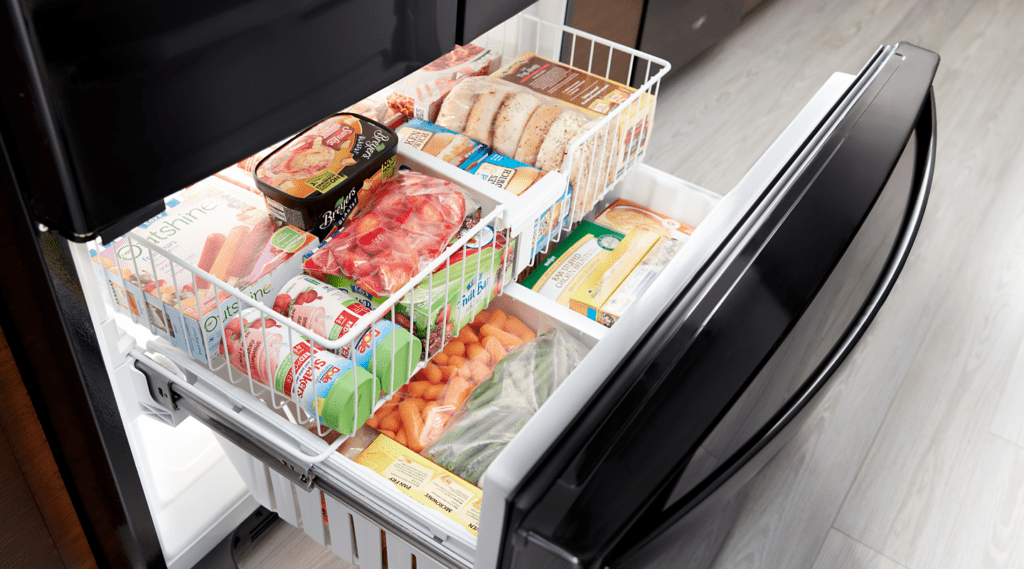
Is your freezer starting to look like an arctic tundra? No worries – we’ll guide you through the best practices for freezer defrosting, so you can reclaim that precious storage space! Related Services: Fridge Repair Hey there, home appliance aficionados! If you’re like me, you’ve probably opened your freezer only to be greeted by a frosty winter wonderland. While a little frost might seem harmless, too much of it can actually mess with your freezer’s efficiency and even make it work harder than it needs to. So, what’s the solution? Regular freezer defrosting! Trust me, it’s easier than you think and your freezer will thank you for it. But when should you defrost your freezer? And how exactly do you go about it without turning your kitchen into a watery mess? Fear not, fellow freezer warriors! We’ve got all the tips and tricks you need to get your freezer back in tip-top shape. Let’s dive right in! Why Freezer Defrosting is Important First things first, let’s talk about why defrosting your freezer is such a big deal. Freezers are designed to keep your food frozen, but when frost builds up, it can actually block air vents and temperature sensors. This means your freezer has to work overtime to keep things cold, which can lead to higher energy bills and a shorter lifespan for your appliance. Another reason to defrost your freezer is to make more room for your favorite foods. Frost can take up a surprising amount of space, leaving less room for your ice cream, frozen veggies, and other goodies. Plus, a frost-free freezer just looks so much nicer, don’t you think? So, how often should you defrost your freezer? Experts recommend doing it at least once a year, or whenever the frost build-up is more than a quarter-inch thick. If your freezer doesn’t have an auto-defrost feature, you might need to do it more frequently. Preparing for Freezer Defrosting Before you start the defrosting process, it’s important to prepare your freezer and your kitchen. This will help you avoid any unnecessary messes and make the whole process go more smoothly. Here are some steps to get you started: First, unplug your freezer or turn it off. If you have a small, portable freezer, you might want to move it to a garage or outside to make clean-up easier. Next, remove all the food from your freezer and place it in coolers to keep it from thawing. This is also a great time to toss any expired or unwanted items. Once your freezer is empty, lay towels or plastic liners on the floor in front of it. This will help catch any water that drips out as the ice melts. If your freezer has a drainage hose, place the end in a low basin or bucket to collect the water. You can also stuff the lower shelves with rags or old beach towels to absorb more moisture. Freezer Defrosting Steps Now that you’re all set up, it’s time to get down to business. Follow these steps to freezer defrosting quickly and efficiently: Unplug your freezer and remove all the food. Place the food in coolers to keep it frozen while you work. Lay towels or plastic liners on the floor in front of your freezer. Place the end of the drainage hose in a low basin or bucket if your freezer has one. Leave the freezer door open and let the ice melt naturally. To speed up the process, you can place a fan near the freezer or use a bowl of hot water inside the freezer. As the ice melts, mop up the water with towels. Once all the ice is gone, clean the inside of the freezer with a mixture of baking soda and hot water. After cleaning and drying the freezer, turn it back on and wait for it to reach the proper temperature before putting the food back in. Frequently Asked Questions How long does it take to defrost a freezer? The time it takes to defrost a freezer can vary depending on the amount of ice build-up and the method you use. Generally, it can take anywhere from a few hours to a full day. If you want to speed things up, you can use a fan, a bowl of hot water, or even a hairdryer (with caution). Is defrosting freezer good? Yes, defrosting your freezer is essential for maintaining its efficiency and extending its lifespan. Regular defrosting helps prevent frost build-up, which can block air vents and temperature sensors, causing your freezer to work harder and use more energy. What happens if I don’t defrost my freezer? If you don’t defrost your freezer, the frost build-up can cause several issues. It can block air vents and temperature sensors, making your freezer less efficient and increasing your energy bills. Over time, this can also lead to a shorter lifespan for your appliance and less storage space for your food. Wrapping Up And there you have it, folks! Freezer defrosting might seem like a daunting task, but with these tips and tricks, you’ll have it done in no time. Remember, regular maintenance is key to keeping your freezer running smoothly and efficiently. Has your freezer developed a thick layer of frost? If you’re unsure about tackling the defrosting process or need professional help, don’t hesitate to call Vancouver Appliance Service Pros. Our expert team is ready to assist with all your freezer defrosting and repair needs to keep your appliance in top shape. Reach out today!

Best Practices for Freezer Defrosting: When and How to Do It Read More »

Heres how to fix the LG Dishwasher AE Error Code by Vancouver Appliance Service Pros

How to Fix the LG Dishwasher AE Error Code

The LG dishwasher AE error code on an LG dishwasher is like its way of saying, “Hey, I’ve got a leak!” This error is tied to the water leak detection system, which, when triggered, stops the dishwasher from working properly. It might sound a bit intimidating, but with a few simple steps, you can troubleshoot and fix this issue without breaking a sweat. Ready? Let’s dive in! Related Services: Dishwasher Repair | Washing Machine Repair Understanding the AE Error Code Before we jump into the nitty-gritty of fixing the LG dishwasher AE error code, let’s understand what it really means. The AE error code indicates that your LG dishwasher has detected a water leak. This safety feature is designed to prevent further damage by halting the dishwasher’s operation. Water leaks can occur due to various reasons, such as a faulty door gasket, a malfunctioning water inlet valve, or even a clogged drain hose. The key to resolving this error is to identify the source of the leak and fix it. Don’t worry; we’ll walk you through each step to make this process as smooth as possible. Now that we know what the AE error code is all about, let’s get into the practical steps you can take to fix it. From checking for water leaks to inspecting the float assembly, we’ve got you covered. Let’s start with the basics and work our way through each step methodically. Steps on How to Fix the LG Dishwasher AE Error Code We’ll break down the steps to fix the AE error code into simple, manageable tasks. Each step is crucial, so make sure you follow along carefully. Check for Water Leaks The first step is to check for any visible water leaks. Look around the dishwasher for any water pooling on the floor or dampness under the unit. Inspect the hoses and connections for any signs of leakage. Inspect the Door Gasket A faulty door gasket can be a common culprit for water leaks. The door gasket is the rubber seal that ensures the dishwasher door closes tightly. If it’s damaged or misaligned, it can cause leaks. Check the Float Assembly The float assembly monitors the water level inside the dishwasher. If it detects an abnormal water level, it triggers the LG dishwasher AE error code. Make sure the float is free of obstructions and can move freely. Inspect the Water Inlet Valve The water inlet valve controls the flow of water into the dishwasher. A malfunctioning valve can cause water to leak and trigger the LG dishwasher AE error code. Check for any clogs or debris and ensure the valve is fully closed when the dishwasher is not in use. Verify the Drain Hose A clogged or improperly installed drain hose can cause water to accumulate inside the dishwasher, leading to the LG dishwasher AE error code. Inspect the drain hose for any blockages or kinks. Reset the Dishwasher After completing the above steps, reset the dishwasher to clear the AE error code. This action will allow the dishwasher to reset and clear any stored error codes. Contact LG Customer Support If you have followed all the steps above and the LG dishwasher AE error code persists, it is advisable to contact LG customer support or a qualified appliance technician for further assistance. Frequently Asked Questions How do I unclog my LG dishwasher drain? To unclog your LG dishwasher drain, first, turn off the dishwasher and unplug it from the power source. Locate the drain hose and check for any blockages or kinks. Use a drain cleaner or plumber’s snake to clear any obstructions. Reconnect the hose properly and run a test cycle to ensure the drain is clear. What is the most common problem with the LG dishwasher? The most common problem with LG dishwashers is water leaks, which can trigger the AE error code. This issue is often caused by a faulty door gasket, a malfunctioning water inlet valve, or a clogged drain hose. Regular maintenance and inspection of these components can help prevent such problems. What is AE on LG dishwashers? The LG dishwasher AE error code indicates a water leak inside the unit. This error code is triggered by the dishwasher’s water leak detection system, which activates the float switch to prevent further damage. Identifying and fixing the source of the leak is crucial to resolving this error. Wrapping Up There you have it, Mission locals – a comprehensive guide to fixing the LG dishwasher AE error code! By following these steps, you can troubleshoot and resolve the issue, ensuring your dishwasher is back to its sparkling best in no time. Remember, regular maintenance and inspection can go a long way in preventing such problems from occurring in the first place. If the AE error code on your LG dishwasher persists despite your best efforts, don’t hesitate to seek Vancouver Appliance Repair Pros‘ professional techs for your dishwasher repair.

How to Fix the LG Dishwasher AE Error Code Read More »

Call 604-265-3852 Call 604-265-3852 Book Online Book Online