




Worried that your precious appliances might survive the chaos of moving day only to break down weeks later from damage you never saw coming? You’re absolutely right to be concerned – even professional moves can result in hidden appliance damage that costs Vancouver homeowners thousands in unexpected repairs.
Picture this: you’ve just moved into your dream home in Kitsilano, and everything seems perfect until your refrigerator starts making weird noises and your washing machine begins leaking all over your beautiful hardwood floors. Sound like a nightmare? [IMAGE PLACEHOLDER FOR IMAGE1] Unfortunately, it’s more common than you’d think. Moving appliances safely isn’t just about getting them from point A to point B without dropping them – it’s about understanding that these complex machines have delicate internal components that can be damaged by improper handling, even when the exterior looks completely fine.
The thing about appliance moving damage is that it’s often invisible at first. Your dishwasher might look perfect sitting in your new kitchen, but if the internal components shifted during transport, you could be looking at expensive repairs down the road. That’s why knowing how to protect your appliances during a move is absolutely crucial, especially in Vancouver where replacement costs and repair services come with premium price tags that can really hurt your wallet.
Key Outtakes:
- Professional appliance movers use specialized equipment like dollies, sliders, and padded blankets to protect sensitive components and surfaces during transport
- Each appliance type requires specific preparation steps, from draining water lines in refrigerators to securing loose parts in dishwashers and properly disconnecting gas lines in stoves
- Timing is crucial for appliance moves – most services operate from 6 AM to 11 PM daily, with Friday and Saturday being the busiest days requiring advance planning
- Professional services offer transparent pricing based on truck size needs, from 16ft trucks for studio apartments to 48ft trucks for long-distance moves
- Proper reconnection involves more than just plugging things back in – it includes allowing settling time, checking connections, and potentially requiring professional installation for gas appliances
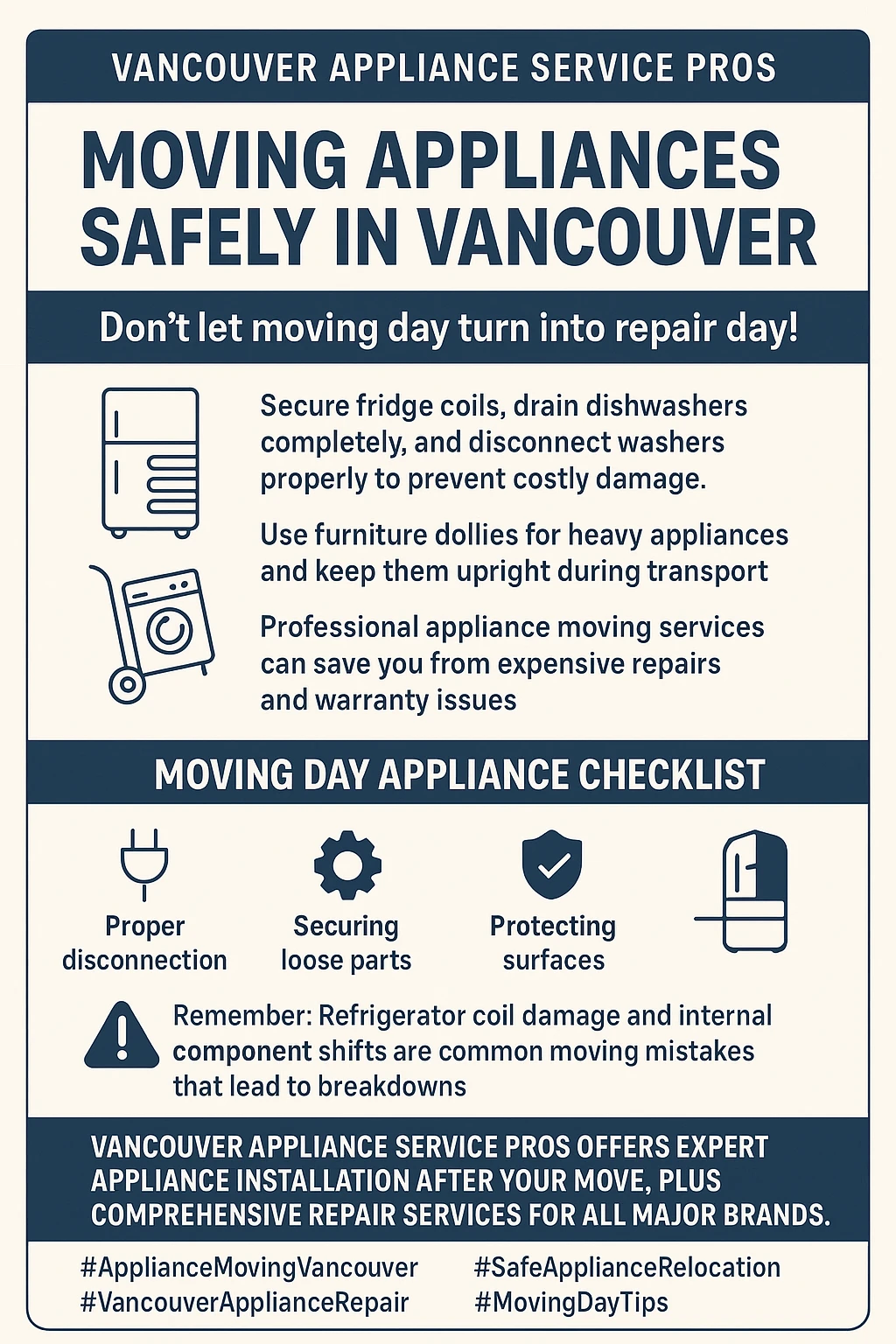
Understanding the Hidden Complexities of Appliance Moving
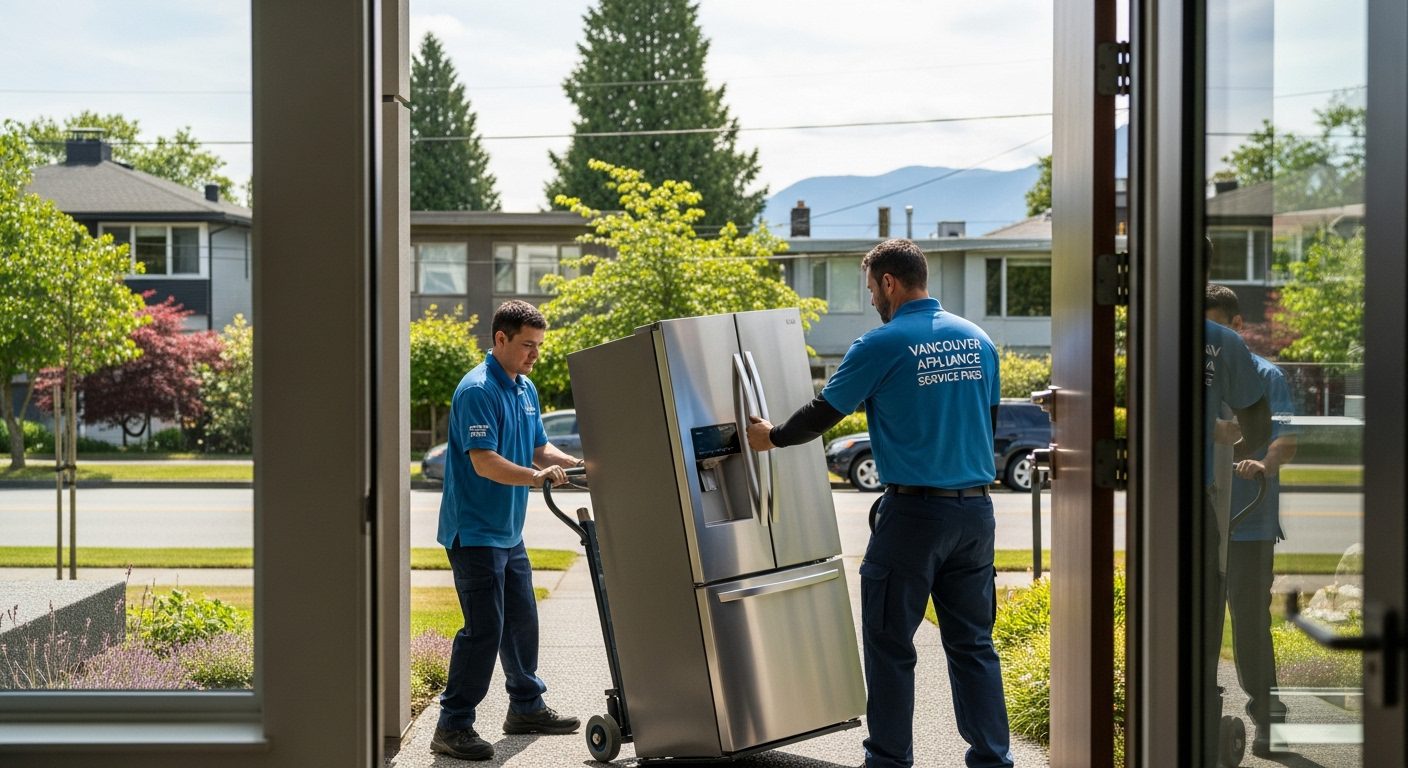
Moving appliances isn’t something you can just throw in a box and hope for the best. These aren’t your average household items – they’re complex machines with intricate internal mechanisms that require special handling throughout the entire moving process. Each appliance has tiny mechanical pieces that can be damaged if not properly secured and transported with the right techniques.
The weight factor alone makes appliance moving a serious undertaking. Your average refrigerator weighs between 200-300 pounds, while washers and dryers can easily tip the scales at 150-200 pounds each. But it’s not just about the weight – it’s about the awkward dimensions, the delicate surfaces, and those sensitive internal components that can shift and break if the appliance experiences too much jostling during transport.
What makes Vancouver particularly challenging for appliance moving is the city’s diverse housing stock. You might be moving from a modern condo with wide hallways and service elevators to a charming 1920s house with narrow doorways and steep staircases. Professional appliance movers who know this city inside out understand these unique challenges and come equipped with the specialized tools needed to navigate Vancouver’s varied architectural landscape safely and efficiently.
Pre-Move Preparation That Actually Matters
The secret to a successful appliance move starts days before the moving truck even arrives at your door. Proper preparation isn’t just about making the move easier – it’s about preventing expensive damage and ensuring your appliances work perfectly in their new home. This preparation phase is where most DIY moves go wrong, because people underestimate just how much advance planning these machines actually need.
Professional Moving Equipment and Protection Methods
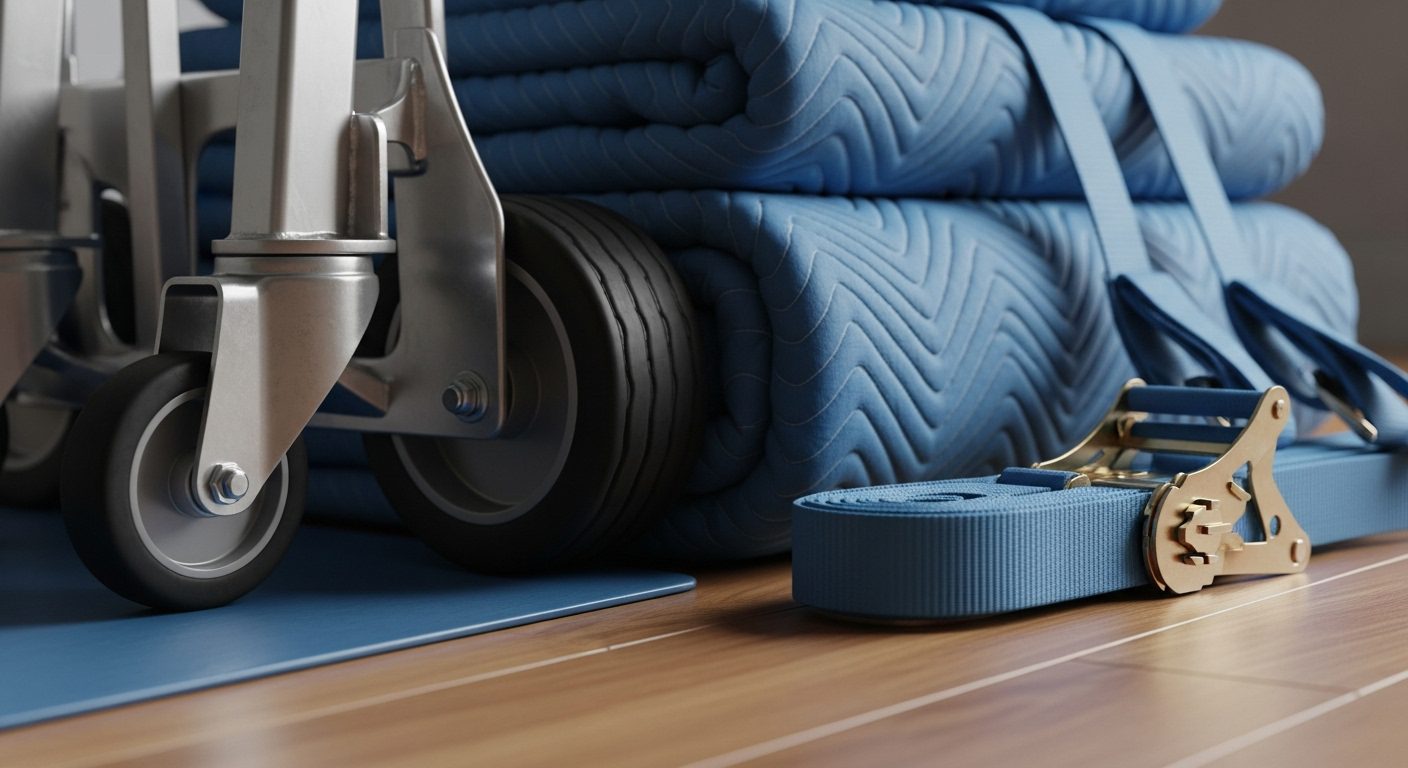
After experiencing both the DIY disaster route and the professional service magic, I can tell you there’s a world of difference between the two approaches. The decision often comes down to more than just cost – it’s about understanding what you’re really getting when you hire professionals versus going it alone. Professional appliance movers bring specialized equipment that most homeowners simply don’t have access to, and this equipment makes all the difference in preventing damage. [IMAGE PLACEHOLDER FOR IMAGE2] Professional appliance movers bring specialized equipment that most homeowners simply don’t have access to. We’re talking about appliance dollies designed specifically for heavy, awkward shapes, furniture sliders that protect floors while moving heavy items, and professional-grade straps that secure appliances properly during transport. They also come with padded blankets and protective wrapping materials that shield delicate surfaces from scratches and dents.
Transportation Best Practices for Vancouver Moves
Once your appliances are properly prepped and ready to move, the transportation phase becomes critical for maintaining their condition and functionality. This is where understanding the specific needs of different appliance types can make or break your moving experience, especially when you’re dealing with Vancouver’s unique geographic challenges like steep hills in areas like Burnaby Heights or tight parking situations in Yaletown.
Post-Move Setup and Reconnection
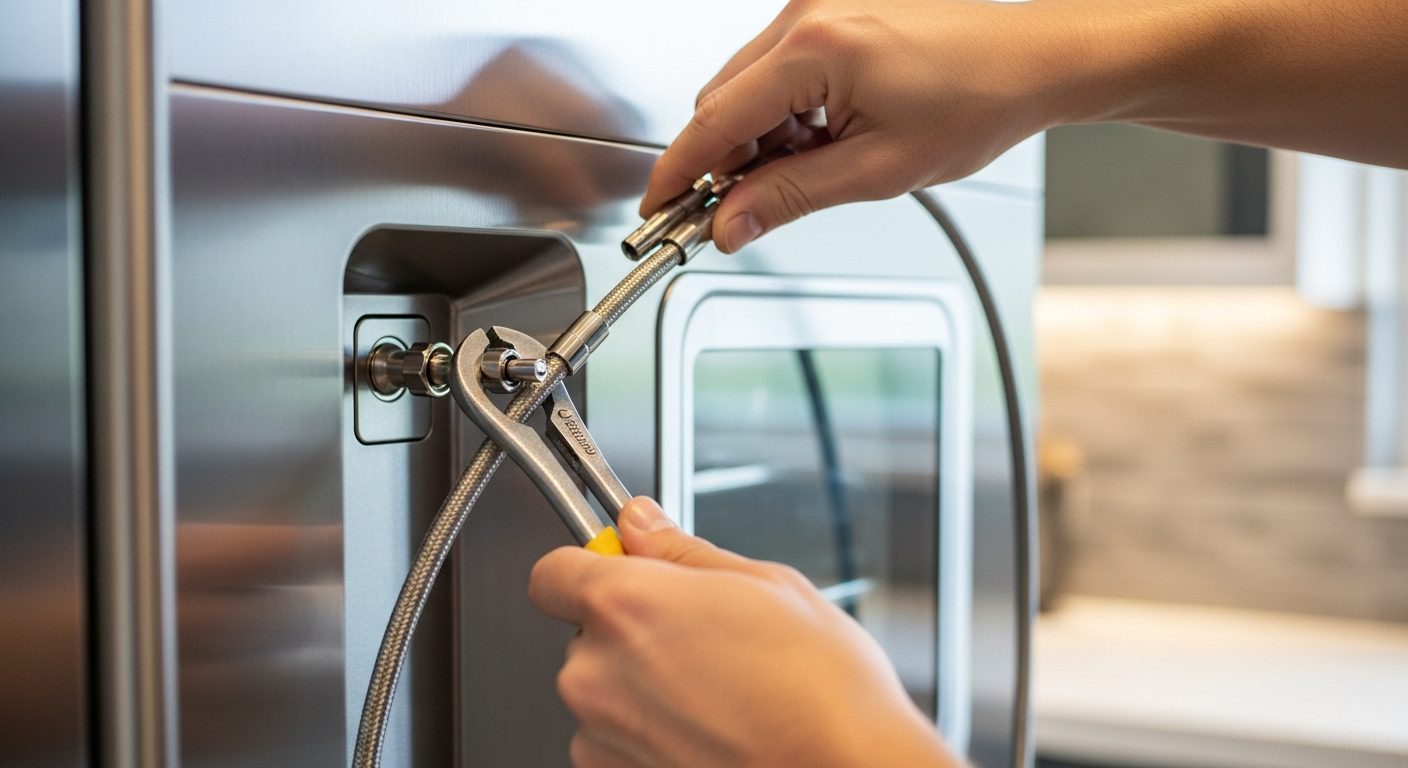
Successfully transporting your appliances is only half the battle – proper reconnection and setup in your new home is equally important for ensuring everything works correctly and safely. This phase often reveals whether your moving preparation was thorough enough and can make the difference between a smooth transition and weeks of troubleshooting problems. Many people rush this critical step, eager to get their kitchen and laundry room functional, but patience here really pays off. [IMAGE PLACEHOLDER FOR IMAGE3] The settling period for refrigerators is something many people rush through, often to their regret later. After transport, refrigerators need to sit upright and unplugged for at least 4-6 hours before being plugged in. This allows any compressor oil that may have shifted during transport to settle back into its proper position. Rushing this step can result in compressor damage that might not show up immediately but can significantly shorten your appliance’s lifespan.
Frequently Asked Questions
How far in advance should I book appliance moving services in Vancouver?
For the best availability and rates, book your appliance moving services at least 2-3 weeks in advance, especially if you’re planning to move on a weekend. Friday and Saturday are the busiest days for moving services, so these dates fill up quickly and may require even more advance notice. If you’re moving during peak seasons like summer months or end-of-month periods, consider booking 4-6 weeks ahead.
What size moving truck do I need for different appliance combinations?
The truck size you need depends on how many appliances you’re moving and whether you’re combining them with other household items. For just a few appliances from a studio or one-bedroom apartment, a 16-foot truck is usually sufficient. Two-bedroom apartments typically require a 20-foot truck to accommodate the additional appliances and belongings.
Wrapping Up
Moving appliances safely in Vancouver doesn’t have to be the stress-inducing nightmare that many people experience. With proper preparation, the right professional help, and attention to the specific needs of each appliance type, you can ensure your valuable machines make it to their new home in perfect working condition. The key is understanding that this isn’t just about lifting heavy objects – it’s about protecting complex mechanical systems that keep your household running smoothly.