



Vancouver Appliance Recalls: Safety Alerts You Must Know
Worried that your trusty kitchen appliances might be hiding dangerous safety hazards that could put your Vancouver family at risk? Join us as we dive into the essential steps every homeowner needs to know about checking for appliance recalls and protecting their loved ones from potentially deadly hazards lurking right in their own homes.
Picture this: you’re whipping up Sunday brunch for the family in your Kitsilano condo when suddenly your Samsung range’s front knobs start glowing red-hot without you even touching them. Scary, right? This exact nightmare scenario has already caused over 250 fires across North America, and it’s just one of many appliance recalls currently affecting thousands of Vancouver homes from Richmond to Burnaby and beyond. As someone who’s spent countless hours helping families navigate home safety challenges, I can tell you that staying informed about appliance recalls isn’t just smart homeownership – it’s absolutely crucial for preventing fires, injuries, and potentially saving lives. The reality is pretty eye-opening when you look at the numbers. More than 50% of homes likely contain at least one recalled product right now, with over 15 million appliances recalled in just the past five years. We’re talking about major brands like LG, Samsung, Wolf, and Frigidaire issuing safety alerts for everything from ranges with rogue front knobs that pets can accidentally activate to ice makers that create choking hazards. The scariest part? Most homeowners have absolutely no idea their everyday appliances could be ticking time bombs.
Key Outtakes:
- Major appliance brands including LG, Samsung, Wolf, and Frigidaire have issued critical safety recalls affecting hundreds of thousands of units, with LG alone recalling 500,000 electric ranges due to fire hazards that caused over $340,000 in property damage
- Front-mounted range knobs are the leading recall issue in 2024-2025, causing more than 300 accidental activations and 28 confirmed fires, with several incidents involving pet deaths
- Health Canada’s free notification service automatically alerts Vancouver residents about new recalls, and checking your specific appliances takes only minutes using model and serial numbers found on manufacturer plates
- Most recall remedies are completely free including repairs, replacements, parts, and labor, with companies like Wolf providing free in-home repairs by certified professionals
- Regular dryer vent maintenance prevents fire hazards and helps identify recalled components, with approximately 15,500 dryer fires occurring annually
Understanding Appliance Recalls and Why They Matter for Vancouver Homeowners
Let’s start by breaking down what’s actually happening with appliance recalls right now, because the scope is honestly pretty staggering when you see all the details laid out. We’re dealing with serious safety hazards that have already caused injuries, fires, and significant property damage across Canada, not just minor inconveniences that manufacturers are being overly cautious about. The recall landscape has been particularly intense lately, with multiple major brands discovering critical flaws in products that millions of families use every single day.The difference between voluntary and mandatory recalls is something every homeowner should understand, since it affects how quickly you’ll hear about problems and what solutions are available. Voluntary recalls happen when manufacturers discover safety issues and work with Health Canada to provide fixes – these represent the vast majority of recalls you’ll encounter. Mandatory recalls are much rarer and occur when companies fail to act on known hazards, forcing regulatory agencies to step in with legal orders.What makes the current situation particularly concerning is the sheer number of units affected by major recalls issued just in the past year. According to recent safety reports, LG recalled approximately 500,000 electric ranges due to front-mounted knobs that can be accidentally activated by humans or pets, leading to at least 28 fires and eight injuries with property damage exceeding $340,000. Samsung followed with their own recall of over 1 million slide-in electric ranges for the exact same fire hazard issue, receiving over 300 reports of unintentional activation since 2013.

Current Major Appliance Recalls Affecting Vancouver Homes
Now that we understand the broader context, let’s dive into the specific recalls that are currently affecting Vancouver homeowners, because some of these involve appliances you probably interact with multiple times every day. The information here comes directly from Health Canada and manufacturer notifications, so you can trust that these are legitimate safety concerns requiring immediate attention from anyone who owns these specific models. These recalls aren’t just affecting a few random households – they’re impacting families throughout the Lower Mainland, from West Vancouver to Surrey and everywhere in between.The LG electric range recall is probably the most significant one impacting Vancouver homes right now, and the details are pretty scary when you see the full scope. LG Electronics Canada issued a voluntary recall working with Health Canada for specific electric slide-in and freestanding ranges with front-mounted knobs that were sold between May 2016 and June 2024. The problem is that these knobs can be accidentally activated by humans or pets, creating serious fire hazards when flammable objects are left on the cooking surface. LG received at least 86 reports of unintentional activation, leading to more than 28 fires with at least 5 causing extensive property damage totaling over $340,000, plus 8 minor injuries reported including burns and tragically, 3 fires that resulted in pet deaths.Samsung’s recall situation is equally concerning and affects an even larger number of households across North America. The company recalled over 1.1 million slide-in electric ranges in the US, with significant numbers sold in Canada, for the same front-mounted knob activation issue as LG. Samsung has received over 300 reports of unintentional activation since 2013, resulting in approximately 250 fires with 18 causing extensive property damage, about 40 injuries with 8 requiring medical attention, and 7 fires involving pet deaths. The affected models were sold from 2013 to 2024, meaning this recall covers over a decade’s worth of appliance purchases that could be in thousands of Vancouver kitchens right now. 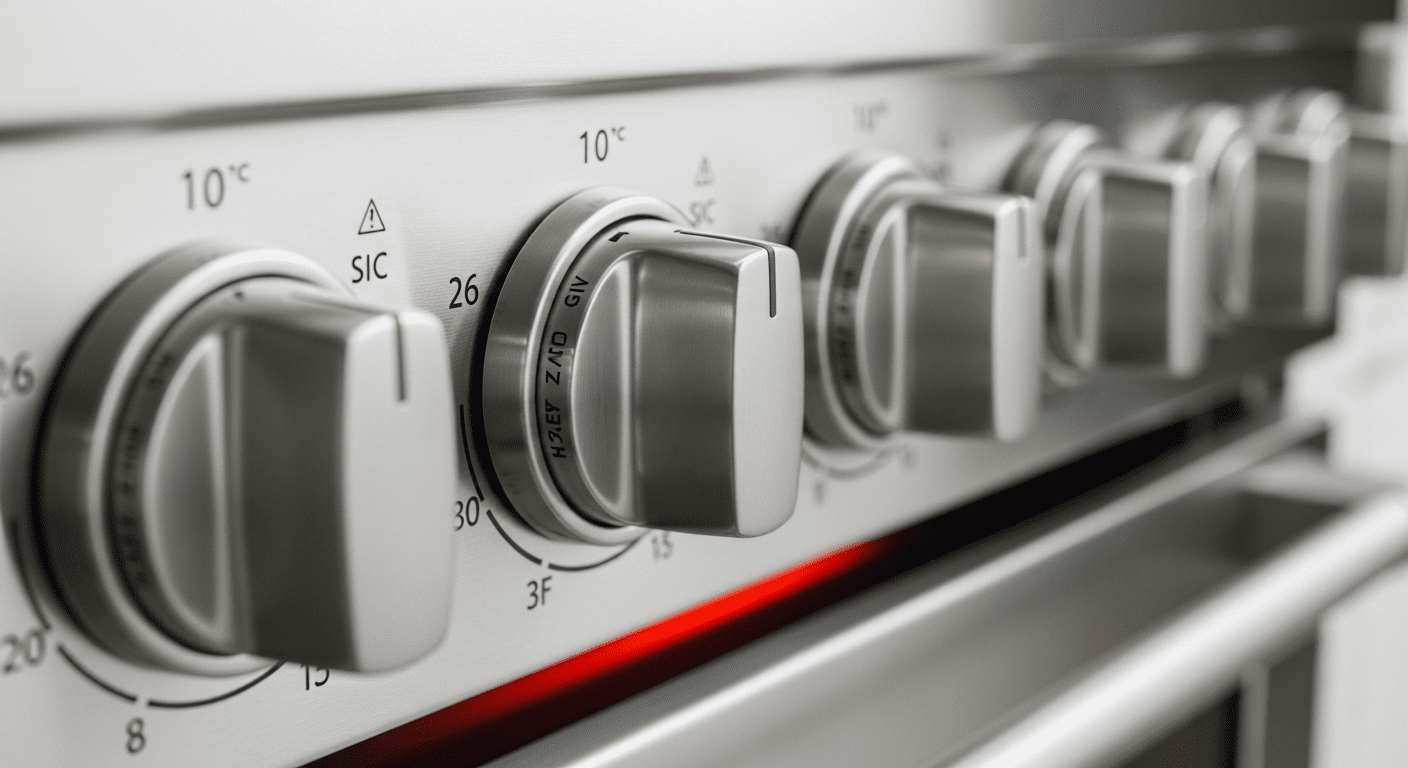 Wolf Appliance took a different approach with their recall of dual fuel ranges with infrared griddles, and I actually appreciate how they’re handling the situation. This recall involves units where liquid spills can cause short-circuits that make griddles turn on unexpectedly, creating burn and fire hazards. Wolf reported 36 total incidents of griddles turning on unintentionally, but fortunately no injuries have been reported. What sets Wolf apart is their commitment to providing free in-home repairs by Factory Certified Service professionals rather than asking customers to handle fixes themselves.
How to Check If Your Appliances Are Recalled
Moving from understanding which recalls exist to actually checking your own appliances might seem overwhelming, but I promise it’s way easier than you think once you know the right steps. The key is knowing where to look and what information you need to have on hand before you start your search. Before you begin, grab a notebook and pen – you’ll want to record your appliance model numbers and serial numbers for future reference, and trust me, you don’t want to be crawling behind your stove multiple times because you forgot to write something down.Your first stop should be the Health Canada recalls website, which serves as the official source for all recall information in Canada and gets updated regularly with new notifications. The website has a user-friendly search function that lets you look up specific products or browse by category, making it easy to check multiple appliances in one session. I recommend bookmarking this page and checking it every few months, just like you’d check your bank account or scroll through social media – it’s that important for your family’s safety.For appliance-specific recalls, you’ll also want to check manufacturer websites directly since they often provide more detailed guidance than what you’ll find on general recall databases. Most major appliance brands like LG, Samsung, Whirlpool, and others have dedicated recall sections on their websites where they post detailed information about affected models, complete with photos and step-by-step instructions. Professional appliance services often recommend checking both Canadian and American recall databases since many appliances sold in Canada are also distributed in the US, giving you the most complete picture of potential safety issues.
Finding Your Appliance Information
Model and serial numbers are like fingerprints for your appliances – they tell you exactly what you’re dealing with and whether it’s affected by any recalls. For ranges and ovens, check inside the oven door or storage drawer at the bottom, where you’ll usually find a white or silver sticker that includes both the model number and serial number. Dishwashers typically have their identification information on the door frame or inside the door itself, though you might need to open the door and look around the edges to find the right sticker.Refrigerators and freezers usually have their model and serial numbers on a sticker inside the fresh food compartment or on the back of the unit. If you can’t find it inside, you might need to pull the refrigerator away from the wall to check the back panel – just be careful not to damage the floor or the appliance’s connections. Some newer models have the information printed directly on easily visible areas, while older models might require a bit more detective work to locate the manufacturer nameplate. 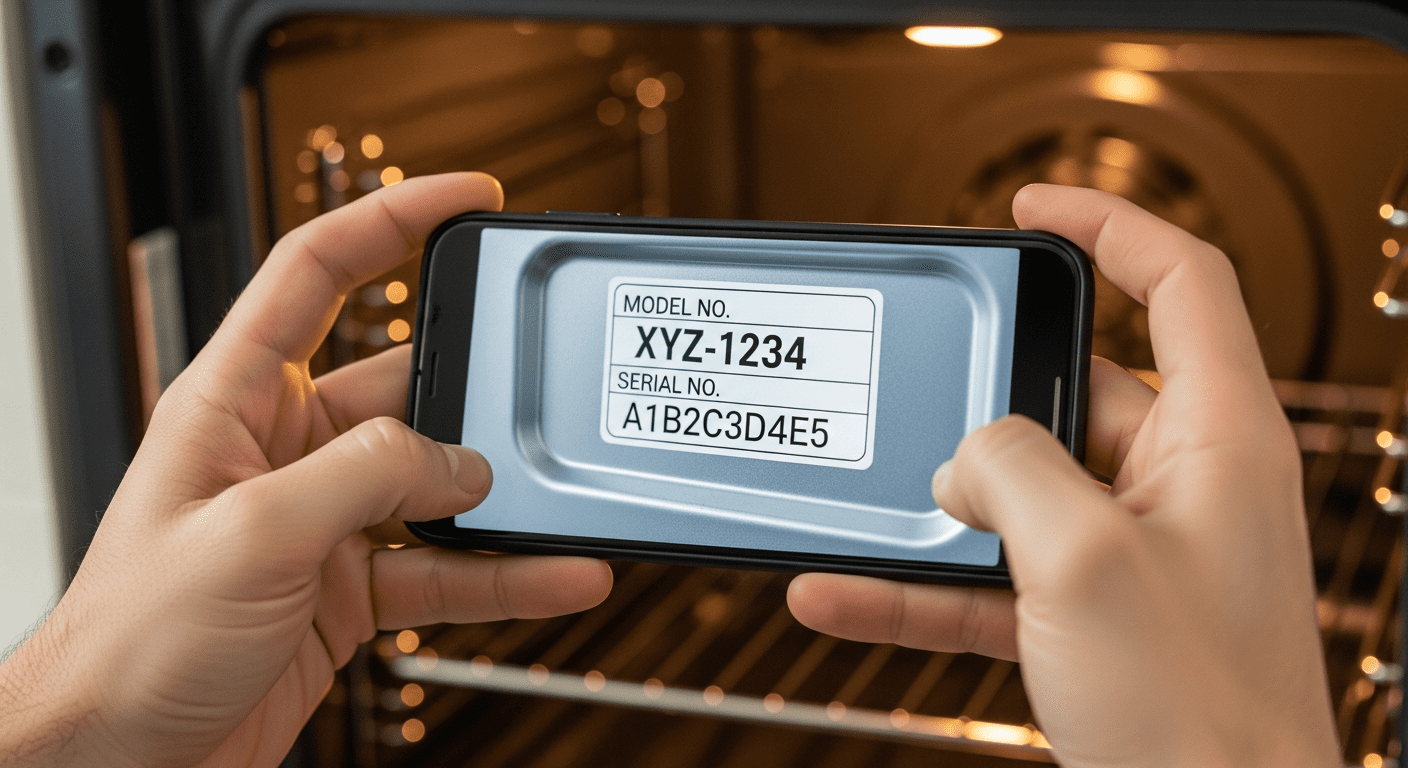
What to Do If Your Appliance Is Recalled
Finding out that your appliance is recalled can feel overwhelming, but remember that recalls are actually a good thing – they mean the manufacturer is taking responsibility for safety issues and providing solutions. The key is to act quickly and follow the manufacturer’s instructions exactly, treating the situation with the seriousness it deserves while knowing that help is available. These recalls exist specifically to prevent the kinds of accidents that have already happened to other families, so taking immediate action is your best protection.Your first step should be to stop using the recalled appliance immediately, especially if the recall involves fire, electrical, or other safety hazards. I know it’s inconvenient, especially if we’re talking about your main stove or dishwasher, but your safety is way more important than the inconvenience of finding alternative solutions for a few days or weeks. Think of it like discovering a gas leak – you wouldn’t keep using the appliance just because fixing it is inconvenient.Next, contact the manufacturer directly using the information provided in the recall notice, as most manufacturers have dedicated recall hotlines staffed with specialists who can walk you through the next steps. Have your model number, serial number, and proof of purchase ready when you call – this will speed up the process significantly and help ensure you get the right remedy for your specific situation. Document everything throughout the recall process by taking photos of your appliance showing the model and serial numbers, keeping copies of all correspondence with the manufacturer, and maintaining records of any expenses you incur as a result of the recall.
Understanding Your Rights and Options
When dealing with appliance recalls, you have specific rights as a consumer that are protected by Canadian law, and manufacturers are required to provide free remedies for recalled products. These remedies can include repairs, replacement parts, full product replacement, or refunds, with the specific remedy depending on the nature of the recall and the age of the appliance. For newer appliances, manufacturers often provide full replacements or comprehensive repairs at no cost to you, which might include sending a technician to your home to perform the work.If your appliance is older or the safety issue can’t be adequately repaired, you might be entitled to a refund or credit toward a new appliance. The amount depends on various factors, including the original purchase price, the age of the appliance, and the manufacturer’s specific recall policy. Some companies, like Wolf, specifically offer in-home service as part of their recall remedies, which is particularly valuable for built-in appliances that are difficult to move or replace.
Setting Up Recall Notifications and Staying Informed
Being reactive about appliance recalls isn’t enough – you need to be proactive about staying informed so you can protect your family before problems occur. The best approach is to set up automatic notifications that alert you when new recalls are announced, ensuring you’ll know about safety issues as soon as they’re identified rather than discovering them months or years later. This proactive strategy is especially important in Vancouver where so many families live in condos or townhomes where appliance problems can affect neighbors too.Health Canada offers a free recall notification service that sends email alerts when new recalls are announced, and you can customize these notifications by product category so you’ll only receive alerts about appliances, toys, vehicles, or whatever categories are relevant to your household. Setting this up takes about five minutes and could literally save your life – it’s one of those small investments of time that pays huge dividends in safety and peace of mind. Many appliance manufacturers also offer their own notification services, and when you register your appliances with the manufacturer for warranty purposes, you can often sign up for recall notifications at the same time.Don’t forget to update your notification preferences when you move or change email addresses, because I can’t tell you how many people miss important recall notices because they forgot to update their contact information after moving. Make updating recall notifications part of your moving checklist, right alongside updating your address with the bank and utility companies. Consider joining homeowner groups or online communities where recall information is shared, such as Facebook groups for Vancouver homeowners or neighborhood apps where people often share safety information quickly.
Creating an Appliance Safety System
Beyond just signing up for notifications, I recommend creating a comprehensive appliance safety system for your home that goes beyond basic recall checking. Start by creating a simple spreadsheet or document that lists all your major appliances, their model numbers, serial numbers, purchase dates, and warranty information, updating this document whenever you buy new appliances or discover recall information. This becomes incredibly valuable when you need to reference information quickly or when selling your home.Schedule regular recall checks as part of your home maintenance routine, ideally every quarter around the same time you change smoke detector batteries or clean your dryer vents. Making it part of a regular routine ensures you won’t forget to do it, and quarterly checking is frequent enough to catch new recalls before they become dangerous. Some Vancouver homeowners even set phone reminders to check recalls at the same time they schedule other seasonal maintenance tasks.
Frequently Asked Questions
How often should I check for appliance recalls in Vancouver?
I recommend checking for appliance recalls at least every three months, but ideally, you should set up automatic notifications so you’re alerted immediately when new recalls are announced. The Health Canada notification service is free and sends email alerts whenever recalls are announced in categories you’ve selected. This proactive approach is much better than periodic manual checking because some recalls involve immediate safety hazards that require quick action.You should also check for recalls whenever you’re buying used appliances, moving into a new home, or if you notice any unusual behavior from your appliances. Sometimes appliance problems that seem minor – like knobs that feel loose or unusual sounds – can actually be signs of recalled safety issues.
What if I can’t find my appliance’s model or serial number?
Don’t panic if you can’t immediately locate your appliance’s identification information, as model and serial numbers are required by law to be displayed on appliances, though they’re not always in obvious locations. For ranges and ovens, check inside the oven door, in the storage drawer, or on the back of the unit. Dishwashers typically have this information on the door frame or inside the door itself.If the sticker has worn off or become illegible, contact the manufacturer directly with any information you do have, such as the brand, approximate age, and where you purchased it. They may be able to help you identify your specific model, and you can also check your original purchase receipt, warranty documentation, or home insurance records, which sometimes include appliance model information.
Are recall repairs really free, or are there hidden costs?
Legitimate recall repairs are completely free to consumers – that’s the law, and manufacturers are required to provide free remedies for recalled products, which can include parts, labor, shipping, and sometimes even full replacements. If anyone tries to charge you for recall-related repairs, that’s a red flag that you’re not dealing with an authorized service provider.However, there might be some indirect costs to consider, such as taking time off work to be home for a service appointment or purchasing temporary appliances while yours is being repaired. Some manufacturers offer expedited service or temporary solutions to minimize these inconveniences, but policies vary by company and situation.
What should I do if I already sold or gave away a recalled appliance?
If you’ve already sold or gave away an appliance that you later discover was recalled, you have a moral and potentially legal obligation to inform the new owner about the recall. Contact them immediately with the recall information so they can take appropriate safety measures, especially for recalls involving fire, electrical, or other serious safety hazards.You should also report the sale or transfer to the manufacturer if they have a system for tracking recalled products. Some manufacturers maintain databases of recalled appliances and their current owners, which helps them reach people who might be affected by safety issues.
Wrapping Up
Staying on top of appliance recalls might not be the most exciting part of homeownership, but it’s absolutely one of the most important things you can do to protect your family and property. The recalls we’ve discussed – from LG and Samsung ranges with problematic knobs to Wolf griddles requiring in-home repairs – represent real risks to real families right here in Vancouver, from downtown condos to family homes in Richmond and beyond. The good news is that protecting your family from these hazards is totally manageable with the right approach: set up those Health Canada notifications, create a simple system for tracking your appliance information, and make recall checking part of your regular home maintenance routine.Remember, when you discover that one of your appliances is recalled, don’t panic – just follow the manufacturer’s instructions, document everything, and know that you’re getting a free fix for a potentially dangerous problem. If you need professional help with appliance safety assessments or repairs related to recalls, Vancouver Appliance Service Pros is here to help Vancouver homeowners navigate these important safety issues and ensure your home appliances are operating safely and efficiently.