




Worried about your appliances surviving another Vancouver winter without breaking down when you need them most? Don’t panic – we’ve got the complete insider’s guide to protecting your home’s hardest-working helpers through the city’s unpredictable cold season!
Picture this: it’s January in Kitsilano, the weather’s been ping-ponging between freezing rain and that weird Vancouver slush, and suddenly your washing machine decides to call it quits right when you desperately need to clean everyone’s muddy winter gear. Trust me, I learned this lesson the hard way last winter when my dishwasher’s water lines froze during that surprise cold snap we had in February. One day it was working perfectly fine, the next morning I had a kitchen disaster that could have been totally prevented with some basic winter prep.
The thing about Vancouver winters is they’re sneakier than people think – we might not deal with the brutal temperatures that Toronto gets, but our constantly changing weather patterns actually create unique challenges for home appliances. What makes our winters particularly tough is the combination of high humidity, frequent freeze-thaw cycles, and those sudden temperature drops that catch everyone off guard, from West End condos to Richmond townhouses.
Related Services: Dishwasher Repair | Washing Machine Repair | dryer-repair/”>Dryer Repair
Key Outtakes:
- Vancouver’s freeze-thaw cycles stress appliance components more than consistent cold temperatures, making targeted winterization essential for preventing breakdowns
- Cold water entering appliances forces motors and heating elements to work harder, significantly increasing energy bills and wear on expensive parts
- Simple preventive measures like cleaning coils, checking seals, and adjusting water heater temperatures can prevent 80% of common winter appliance failures
- Holiday usage spikes combined with winter conditions create the perfect recipe for breakdowns – preparation before December saves emergency repair costs
- Professional maintenance for gas appliances and complex systems ensures safety and efficiency during peak winter usage
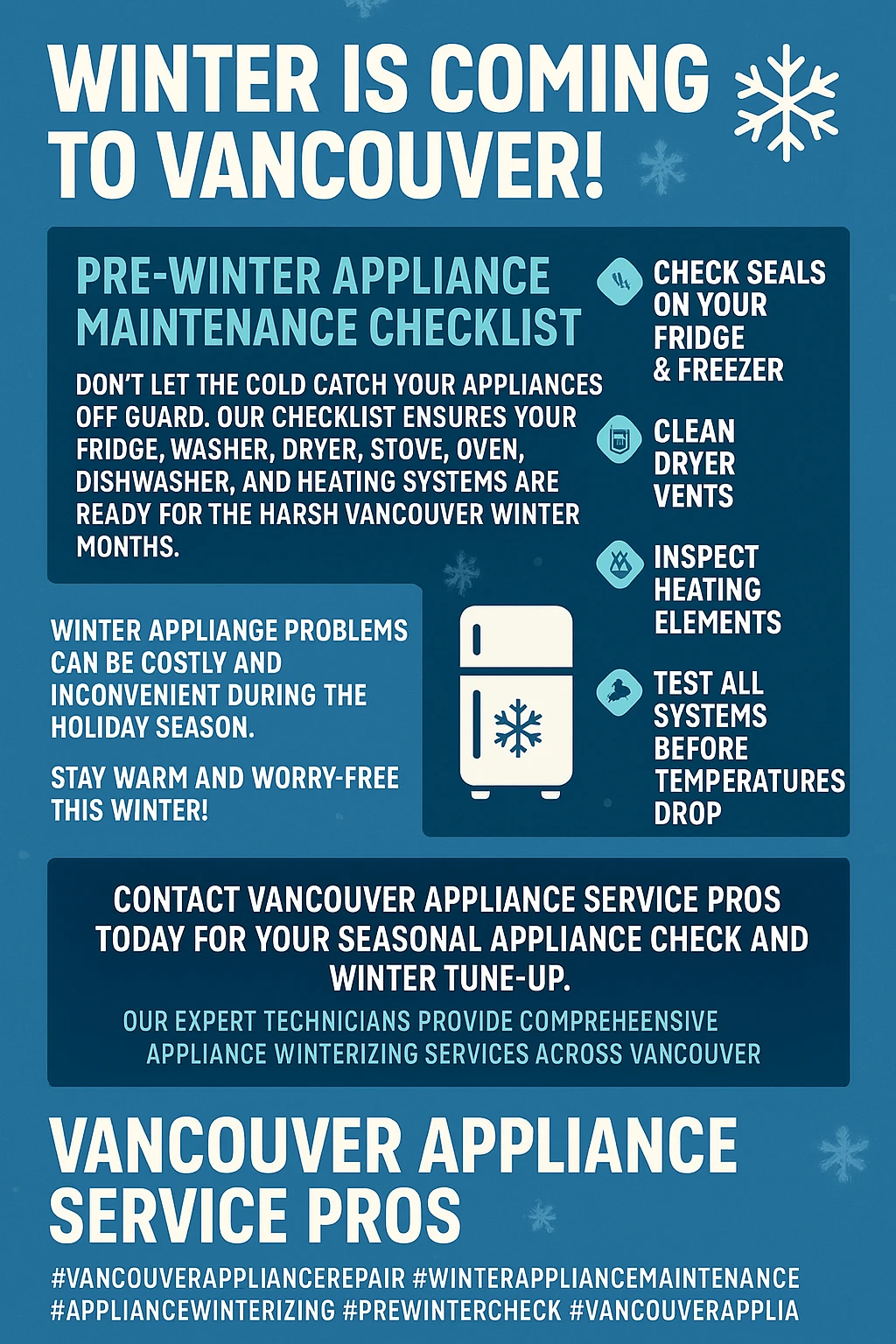
Understanding Vancouver’s Unique Winter Appliance Challenges
Vancouver winters present a perfect storm of conditions that can wreak havoc on your home appliances if you’re not prepared. While we don’t face the extreme cold that other Canadian cities deal with, our combination of moisture, temperature fluctuations, and unpredictable weather patterns creates its own set of problems that many homeowners underestimate. The biggest issue is how our “mild” winters lull people into a false sense of security – just because we’re not dealing with snow blowers and block heaters doesn’t mean our appliances get an easy ride.
The real challenge comes from Vancouver’s notorious freeze-thaw cycles that can happen multiple times throughout the winter. One week you’re enjoying mild temperatures and light rain in Burnaby, the next week you’re dealing with frozen pipes and ice-covered walkways. This constant temperature swing puts enormous stress on appliance components, causing seals to expand and contract, water lines to freeze and thaw repeatedly, and heating elements to work overtime trying to compensate for the changing conditions.
Humidity is another major factor that people don’t think about when it comes to appliance care. Vancouver’s winter air is loaded with moisture, which can cause condensation problems inside appliances, lead to rust and corrosion on metal components, and create ideal conditions for mold and mildew growth in washers and dishwashers. When you combine high humidity with temperature fluctuations, you get condensation forming in places it shouldn’t be, potentially causing electrical problems and water damage that can put appliances out of commission permanently.
Kitchen Appliance Winter Protection Strategies
Moving from understanding the challenges to taking action, your kitchen appliances face some of the biggest winter-related stresses in your entire home, yet they’re often the most overlooked when it comes to seasonal maintenance. Between increased holiday cooking, colder water temperatures, and the general strain of winter weather, your kitchen workhorses need some extra TLC to make it through the season without breaking down. This is especially important for families in areas like Surrey or Coquitlam where power outages during winter storms can compound appliance problems.
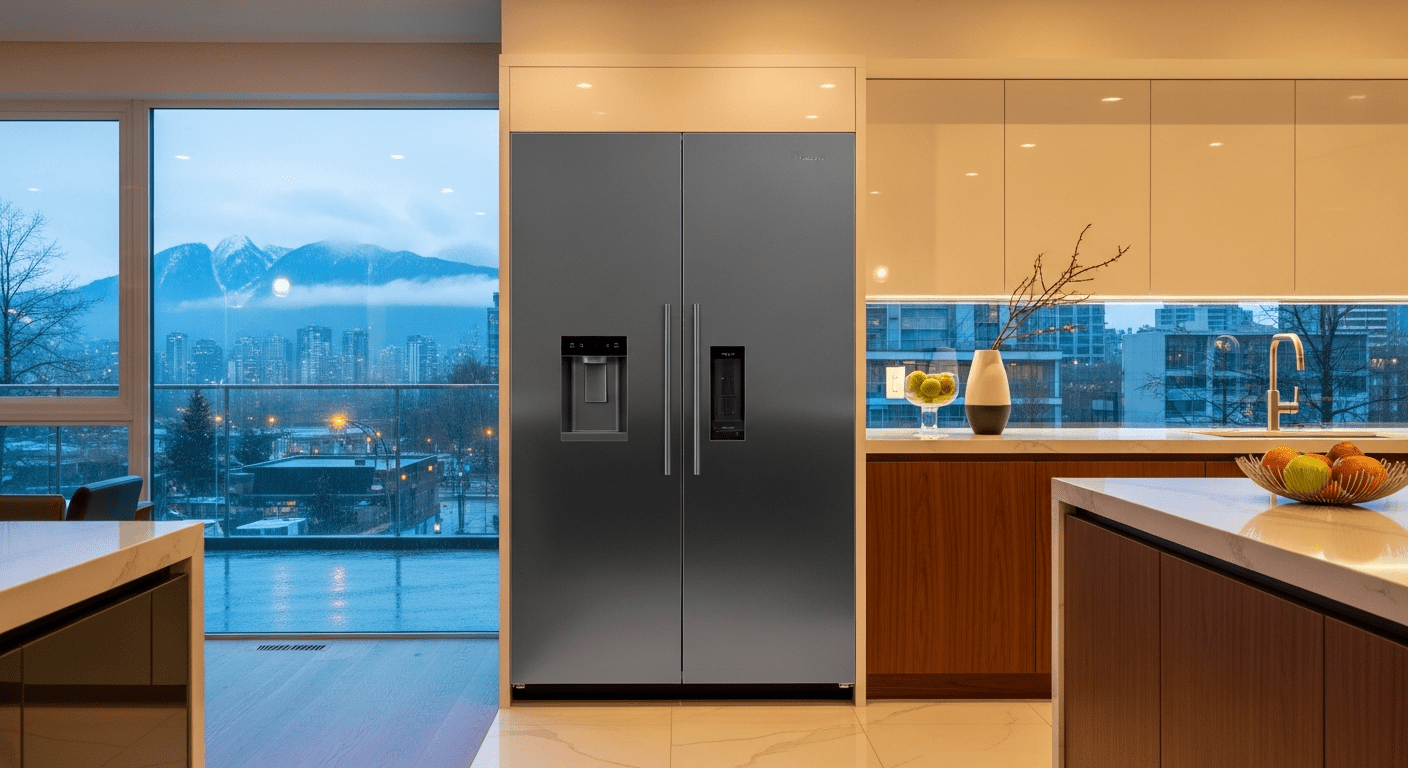
Your refrigerator and freezer are particularly vulnerable during Vancouver winters because they’re constantly fighting against temperature and humidity fluctuations. When the ambient temperature in your home keeps changing due to heating system cycles and outdoor weather variations, your fridge has to work much harder to maintain consistent internal temperatures. The compressor runs more frequently, the door seals get stressed from temperature differentials, and condensation can build up in places it shouldn’t be, potentially leading to water damage or electrical problems.
Start by checking those door seals – they’re your first line of defense against energy waste and potential breakdowns. Vancouver’s winter weather makes rubber seals contract and become less flexible, which can create gaps that let cold air escape and warm, humid air enter. Test each seal by closing the door on a piece of paper; if you can pull the paper out easily, the seal needs attention or replacement. This simple check can prevent your compressor from overworking and potentially burning out during the demanding winter months.
Don’t forget about the coils on the back or underneath your refrigerator – these need extra attention during winter when your heating system is circulating more dust and debris throughout the house. When these coils get clogged with dust, pet hair, and other particles, your refrigerator has to work exponentially harder to do its job, leading to higher energy bills and increased wear on the compressor. Vacuum these coils every couple of months during winter, and while you’re back there, check for any signs of moisture buildup or ice formation that could indicate a problem with humidity control.
Dishwasher Winter Care
Your dishwasher faces its own unique set of winter challenges that most Vancouver homeowners completely ignore until something goes wrong. The combination of colder water temperatures, increased usage during holiday season, and potential freezing issues with water supply lines creates a perfect recipe for breakdowns right when you need your dishwasher most. Winter water temperatures can drop significantly, and your dishwasher wasn’t designed to efficiently handle ice-cold water coming into the system.
The biggest issue is that when water enters your dishwasher at temperatures below 49°C, the internal heating elements have to work overtime to bring it up to the proper cleaning temperature. This puts extra strain on expensive components and can significantly extend wash cycles, making your dishwasher less efficient and more prone to breakdowns. Before running your dishwasher during winter months, always run your kitchen faucet until the water gets hot – this ensures your dishwasher starts with water that’s already at optimal temperature, reducing the workload on internal heating elements and improving cleaning performance.
Water line protection becomes critical if your dishwasher connects to supply lines that run through unheated spaces like crawl spaces, basements, or along exterior walls. Even Vancouver’s relatively mild winter temperatures can cause these lines to freeze if they’re exposed to drafts or uninsulated areas. Check all connections before winter hits, look for any signs of wear, corrosion, or loose fittings that cold weather could make worse, and consider adding insulation around any exposed pipes.
Laundry Room Winterization Essentials

Building on the kitchen appliance preparation, your laundry room faces some of the most significant winter challenges in your entire house, yet it’s often the area that gets the least attention when it comes to seasonal maintenance. Between handling heavier winter loads, dealing with moisture issues, and potentially being located in unheated spaces, your washer and dryer are working harder than ever just when they’re most vulnerable to weather-related problems. This is particularly relevant for homes with basement laundry rooms or those in older neighborhoods where utility rooms aren’t always properly heated.
Your washing machine deals with a double challenge during Vancouver winters – not only is the incoming water colder, making it harder for detergents to activate properly, but you’re also asking it to handle much heavier loads with winter coats, sweaters, and blankets that retain more water and put additional strain on the motor and suspension system. Cold water creates problems with detergent effectiveness, meaning your clothes might not get as clean, and you might be tempted to rewash items, putting even more stress on your machine.
Water line connections deserve special attention, especially if your washer is located in a basement, garage, or utility room that doesn’t get consistent heating. Even Vancouver’s mild winter temperatures can cause problems if these connections are exposed to drafts or temperature fluctuations. Check all supply lines for signs of wear, replace any that look cracked or corroded, and make sure shutoff valves are working properly. If your laundry room gets particularly cold, consider leaving cabinet doors open to allow warm air to circulate around the water connections.
Your dryer faces its own set of winter challenges, primarily related to moisture management and venting issues. The combination of heavily saturated winter clothes and Vancouver’s humid air means your dryer is working much harder to remove moisture, while cold outside temperatures can affect the efficiency of your exterior vent. When the temperature differential between inside and outside air increases, condensation can form in your dryer vent, reducing airflow and potentially causing moisture to back up into your home.
Dryer Vent Maintenance
Vent maintenance becomes absolutely critical during winter months – clean your lint screen after every single load, and have your exterior vent inspected and cleaned at least once during the season. Look for signs that your vent might be partially blocked, such as clothes taking longer to dry, the dryer running hotter than usual, or moisture appearing on the inside of windows near your laundry room. A blocked or restricted vent doesn’t just make your dryer work harder; it’s also a serious fire hazard that becomes more dangerous when lint combines with the extra moisture from winter loads.
Consider the location and condition of your exterior vent opening – make sure it’s not getting blocked by snow, leaves, or other debris, and check that the vent flap opens properly when the dryer is running. If your vent opening faces north or gets little sun exposure, it might be more prone to ice formation that can restrict airflow. Proper vent maintenance helps prevent dangerous carbon monoxide buildup and reduces fire risks throughout the winter season.
Advanced Winter Protection for High-End Appliances
Now that we’ve covered the basics for standard appliances, premium appliances require special attention during Vancouver winters because their sophisticated systems are more sensitive to temperature fluctuations and power variations common during storm season. Built-in refrigeration units, wine coolers, and commercial-grade ranges have precise calibration requirements that can be affected by the electrical grid fluctuations we often see during winter storms. These appliances also represent significant investments that warrant extra protection measures beyond basic maintenance.
Wine storage systems and beverage centers are particularly vulnerable to temperature swings because they’re designed to maintain very specific conditions. Vancouver’s freeze-thaw cycles can cause these units to work harder than designed, especially if they’re located in areas like garages or basement spaces that aren’t climate-controlled. Check the ambient temperature range specifications for your wine cooler – most are designed to operate in environments between 13°C and 32°C. If your storage area drops below this range, consider adding supplemental heating or relocating temperature-sensitive beverages to a more stable environment.
High-end dishwashers with multiple wash zones and precise water temperature controls face unique challenges when incoming water temperatures drop significantly. These sophisticated systems rely on accurate temperature sensors and precise water heating to deliver optimal cleaning performance. Have the temperature sensors calibrated annually, and consider installing a hot water recirculation system if your kitchen is located far from your water heater. This ensures consistent hot water delivery and prevents the advanced wash systems from having to compensate for cold water slugs that can throw off their carefully programmed cycles.
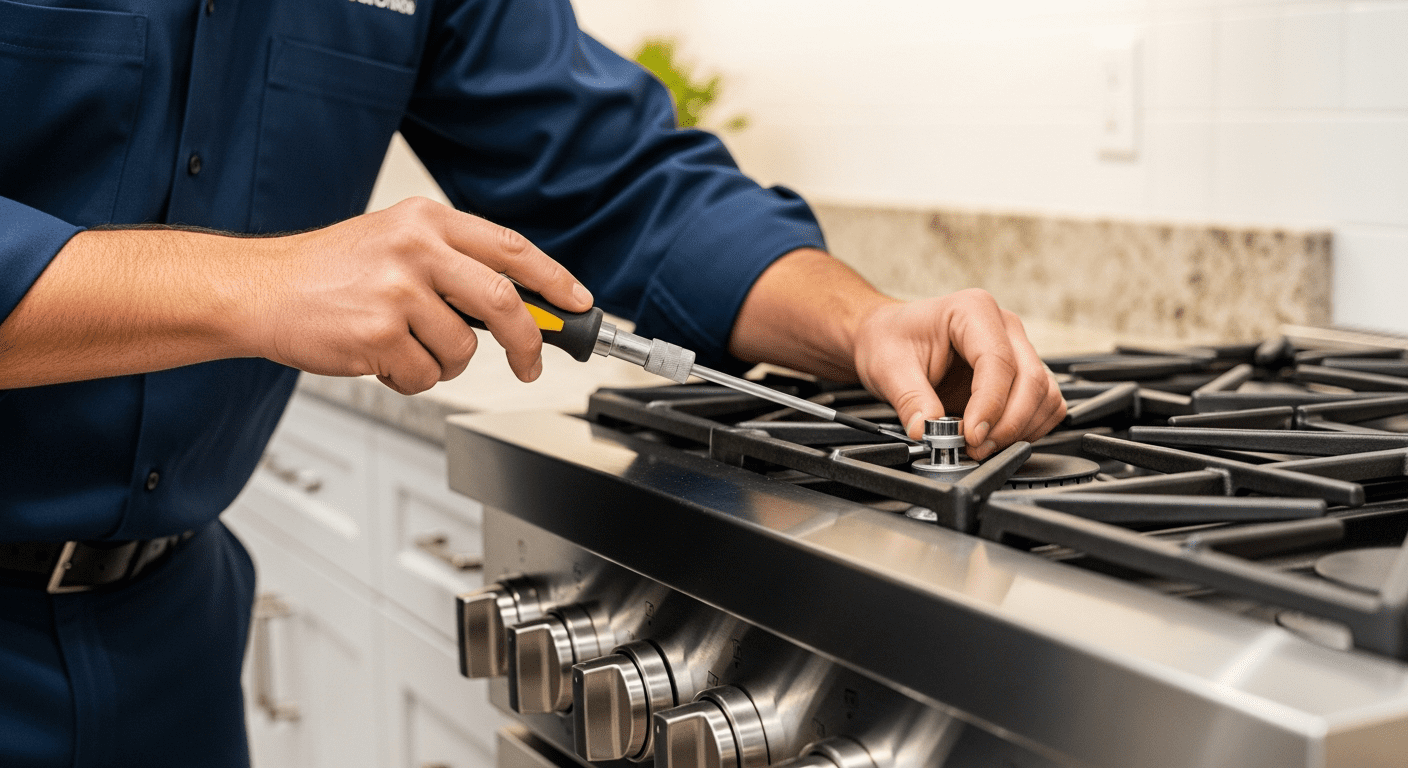
Commercial-grade ranges and cooktops require professional attention before winter peaks because they operate at higher BTU outputs and have more complex safety systems. Gas models need their pilot lights and electronic ignition systems checked for proper operation in cold conditions. Professional technicians can verify proper gas pressures and combustion efficiency that may be affected by barometric pressure changes and humidity fluctuations common during Vancouver’s stormy winter weather.
Emergency Preparedness and Professional Maintenance
Winter storms can knock out power for hours or even days, and being prepared for these outages protects both your food investment and your appliances from damage when power returns. Power surges during restoration can damage sensitive electronic controls, while sudden power loss can interrupt cycles in ways that stress mechanical components. Smart preparation involves both surge protection and knowing how to safely restart appliances after extended outages.
Invest in quality surge protection for all major appliances, but pay special attention to units with electronic controls and digital displays. Whole-house surge protection is ideal, but individual appliance surge protectors work well too. Look for units rated for the specific amperage of your appliances – a standard household surge protector won’t adequately protect a large electric dryer or range. During extended outages, unplug appliances rather than just turning them off, as this provides complete protection from power restoration surges.
Create an outage action plan for your refrigeration appliances to minimize food loss and prevent damage from temperature abuse. Keep appliance thermometers in your fridge and freezer so you can monitor temperatures even when digital displays are dark. A full freezer stays cold for 48 hours if unopened, while a half-full unit only maintains safe temperatures for 24 hours. Having this knowledge helps you make informed decisions about when to use backup power or relocate frozen items.
Professional maintenance becomes even more critical before Vancouver’s challenging winter months. Gas appliances should be serviced annually by certified technicians who can verify proper combustion, check for gas leaks, and ensure ventilation systems are working correctly. This isn’t just about efficiency – it’s about safety. Carbon monoxide risks increase when gas appliances aren’t burning cleanly, and winter’s tendency to keep homes sealed up tight can allow dangerous gases to accumulate.
Frequently Asked Questions
How often should I clean my refrigerator coils during Vancouver winters?
Clean your refrigerator coils every two to three months during winter, more frequently than the typical twice-yearly recommendation. Vancouver’s wet climate and increased use of heating systems circulate more dust and particles through your home, causing coils to accumulate debris faster. Pet owners should check monthly, as winter coat shedding creates additional buildup.
Use a vacuum with a brush attachment and work gently to avoid damaging the delicate fins. This simple maintenance task can improve your refrigerator’s efficiency by up to 25% and prevent costly compressor failures during the demanding winter months.
Why does my dishwasher seem to clean poorly during winter months?
Cold incoming water is the primary culprit behind poor winter dishwasher performance. When water temperatures drop from summer highs of 18°C to winter lows around 6°C, detergents don’t dissolve effectively and the heating element must work much harder to reach optimal cleaning temperatures. Run hot water at your kitchen sink until steaming before starting the dishwasher, and consider switching to powder detergent which dissolves more readily in varying temperatures than pods or gels.
Should I adjust my water heater temperature for winter appliance performance?
Yes, but carefully. Raising your water heater temperature to 54°C during winter helps appliances like dishwashers and washing machines perform optimally with cold incoming water. However, never exceed this temperature due to scalding risks, and consider installing anti-scald devices at fixtures used by children or elderly family members. The improved appliance performance and energy efficiency typically offset the slight increase in water heating costs.
What’s the most important dryer maintenance task for Vancouver winters?
Clearing your entire dryer vent system is crucial before winter sets in. Vancouver’s humid winter air causes lint to clump and stick to vent walls more readily than dry summer air. Check your exterior vent regularly for ice buildup, which can block airflow and cause overheating. Clean the lint screen after every load, and have the entire vent system professionally cleaned annually if it runs more than 10 feet to the exterior.
Wrapping Up
Vancouver’s unique winter climate demands a thoughtful approach to appliance protection that goes beyond standard maintenance routines. The constant freeze-thaw cycles, cold water temperatures, and increased humidity create challenges that can significantly impact your appliances’ performance, efficiency, and lifespan. By understanding these specific factors and taking proactive steps to address them, you’re not just preventing breakdowns – you’re optimizing your appliances to work with Vancouver’s climate rather than fighting against it.
When you’re dealing with appliance issues that go beyond basic maintenance, or if you need professional assessment of your winter preparation needs, Vancouver Appliance Service Pros is here to help. Our experienced technicians understand the unique challenges that Vancouver’s climate presents to home appliances, and we provide comprehensive maintenance and repair services throughout the Lower Mainland. Don’t wait for a breakdown to happen during the coldest part of winter – contact us today to ensure your appliances are ready for whatever the season brings.