



Thinking about installing that shiny new dishwasher yourself to save a few bucks? Hold up – one tiny mistake could void your warranty faster than you can say “water damage,” leaving you with a broken appliance and zero manufacturer support when things go sideways.
Picture this: you’ve just unboxed your dream kitchen setup, and you’re feeling pretty confident about hooking everything up yourself. After all, how hard can it be to connect a few hoses and plug something in, right? Well, as someone who’s seen way too many “simple” installations turn into expensive nightmares, I can tell you that Vancouver’s unique housing landscape makes appliance installation trickier than most people realize.
From our heritage homes in Kitsilano with their quirky electrical systems to the ultra-modern condos in Yaletown with strict strata regulations, every neighborhood presents its own installation challenges. Add in our coastal climate, varying municipal codes, and the fact that many appliance warranties now require professional installation, and suddenly that DIY project doesn’t seem so straightforward anymore.
Key Outtakes:
- Improper electrical connections and inadequate ventilation are the top warranty-voiding mistakes in Vancouver installations
- Many manufacturers now require certified professional installation to maintain warranty coverage
- Vancouver’s building codes and strata regulations create compliance layers that DIY installers often miss
- Water damage from incorrect plumbing connections can void warranties even when the appliance functions normally
- Proper documentation and permits are essential for warranty claims in older Vancouver neighborhoods
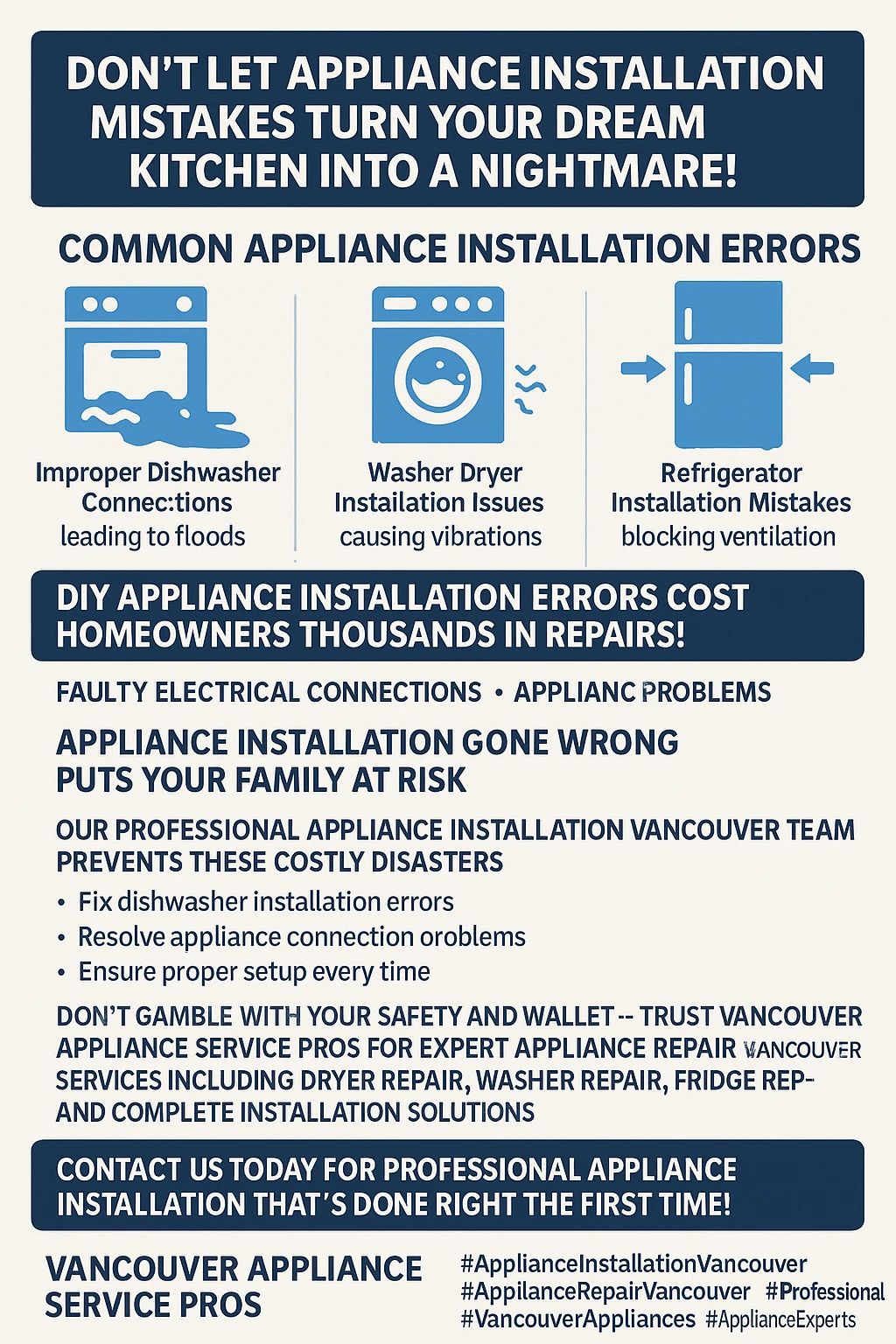
Understanding Vancouver’s Unique Installation Challenges
Vancouver’s appliance installation landscape is unlike anywhere else in Canada, and understanding these unique factors is crucial for avoiding costly mistakes. Our city’s mix of century-old heritage homes and cutting-edge high-rises creates a complex web of installation requirements that can easily trip up even experienced DIY enthusiasts.

The biggest challenge lies in our diverse housing stock, where a Craftsman home in Mount Pleasant might have knob-and-tube wiring that hasn’t been updated since the 1920s, while a new condo in Coal Harbour features smart home integration and energy-efficient systems. Each type of dwelling comes with its own set of installation requirements, building codes, and potential complications that manufacturers don’t always account for in their standard installation guides.
Vancouver’s coastal environment adds another layer of complexity that many people overlook until it’s too late. The salt air that makes our summers so pleasant can wreak havoc on appliance connections over time, particularly affecting metal fittings and electrical components. This means that installation methods that work perfectly in Calgary or Toronto might fail prematurely here, leading to warranty claims that manufacturers often deny due to “environmental factors” not covered under standard warranties.
Electrical Connection Errors That Kill Warranties
When diving deeper into warranty-voiding mistakes, electrical issues consistently rank as the number one culprit in Vancouver homes. The transition from older electrical systems to modern appliance requirements creates a perfect storm of potential problems, and many homeowners don’t realize they’ve made a critical error until their warranty claim gets denied months later. The tricky part is that these mistakes often don’t cause immediate obvious problems – your dishwasher might work perfectly for weeks before the electrical issue causes a component failure that the manufacturer blames on improper installation.
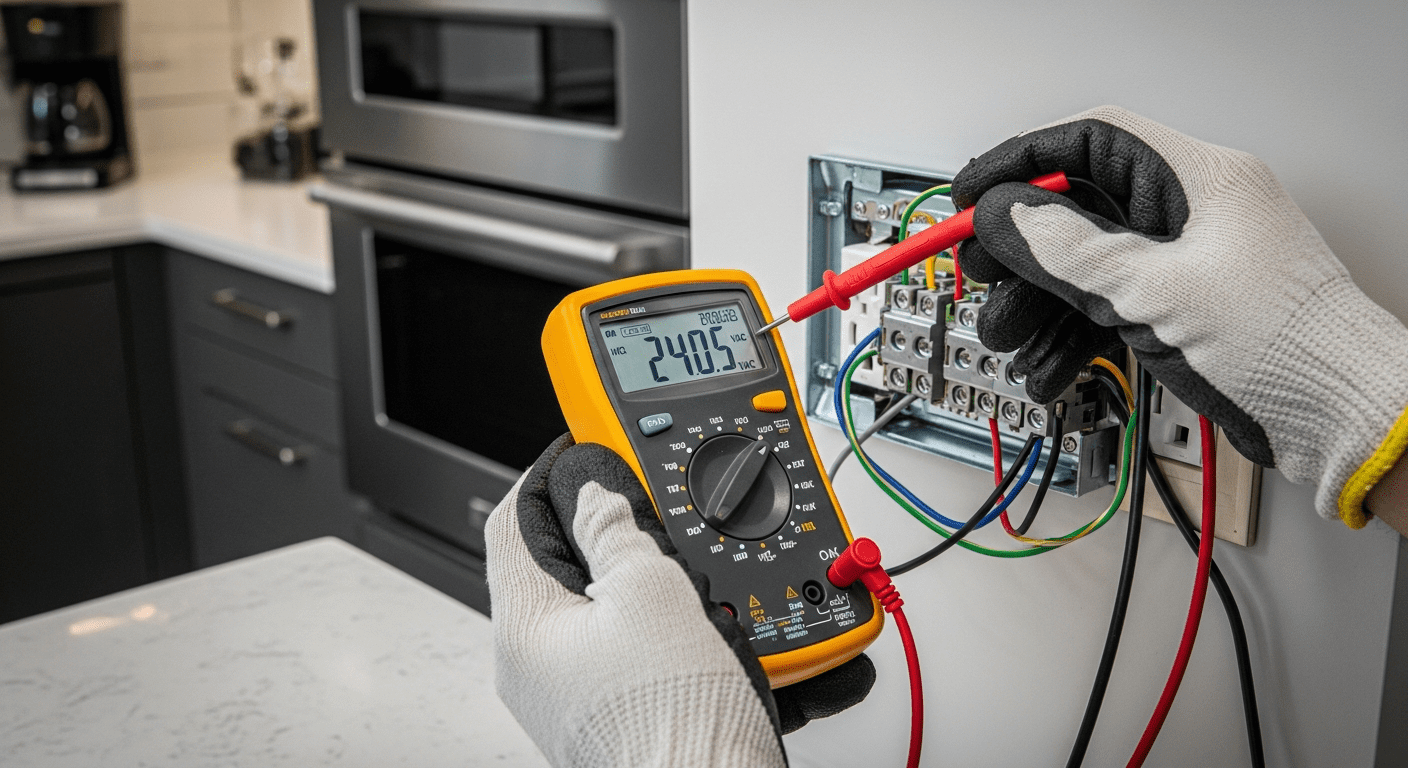
The most common electrical mistake involves using the wrong outlet configuration or circuit capacity for the appliance. Modern appliances often require dedicated circuits with specific amperage ratings, and simply having an outlet in the right location doesn’t mean it’s adequate for the job. For instance, most new electric ranges need a 40-amp or 50-amp circuit, while older Vancouver homes might only have 30-amp connections. The appliance might seem to work fine initially, but insufficient power delivery can cause heating elements to fail prematurely or control boards to malfunction under load.
Another frequent electrical error involves improper grounding, which is particularly problematic in Vancouver’s older neighborhoods like Grandview-Woodland where homes might lack modern three-wire electrical systems. Manufacturers require proper grounding not just for safety reasons, but also to protect sensitive electronic components from power surges and static electricity. When appliances fail due to electrical damage and technicians discover improper grounding during warranty inspection, claims are typically denied immediately.
Voltage irregularities represent a subtler but equally damaging electrical problem that many DIY installers miss. Vancouver’s electrical grid can experience voltage fluctuations, especially during peak demand periods, and some appliances require voltage stabilizers or surge protectors to maintain warranty coverage. Professional installers typically test voltage stability and install appropriate protection devices, while DIY installations often skip this step. When electronic control boards fail due to voltage issues, manufacturers can easily identify the lack of proper electrical protection and void warranty coverage.
The cascading effect of electrical mistakes means that one small error can affect multiple appliance systems simultaneously. A loose neutral connection might cause intermittent power issues that affect everything from digital displays to motor controllers, creating a complex diagnostic challenge that ultimately traces back to the original installation error. These multi-system failures are particularly expensive to repair and are almost never covered under warranty when improper installation is identified as the root cause.
Water Supply and Drainage Installation Failures
Moving from electrical issues to plumbing problems, water-related installation mistakes represent the second most common cause of voided warranties in Vancouver, and they’re often the most expensive to remediate. Unlike electrical errors that might cause immediate obvious failures, water issues frequently develop slowly, causing hidden damage that only becomes apparent when significant repairs are needed. The challenge with water-related warranty claims is that even minor leaks can cause thousands of dollars in secondary damage while the primary appliance continues to function normally.
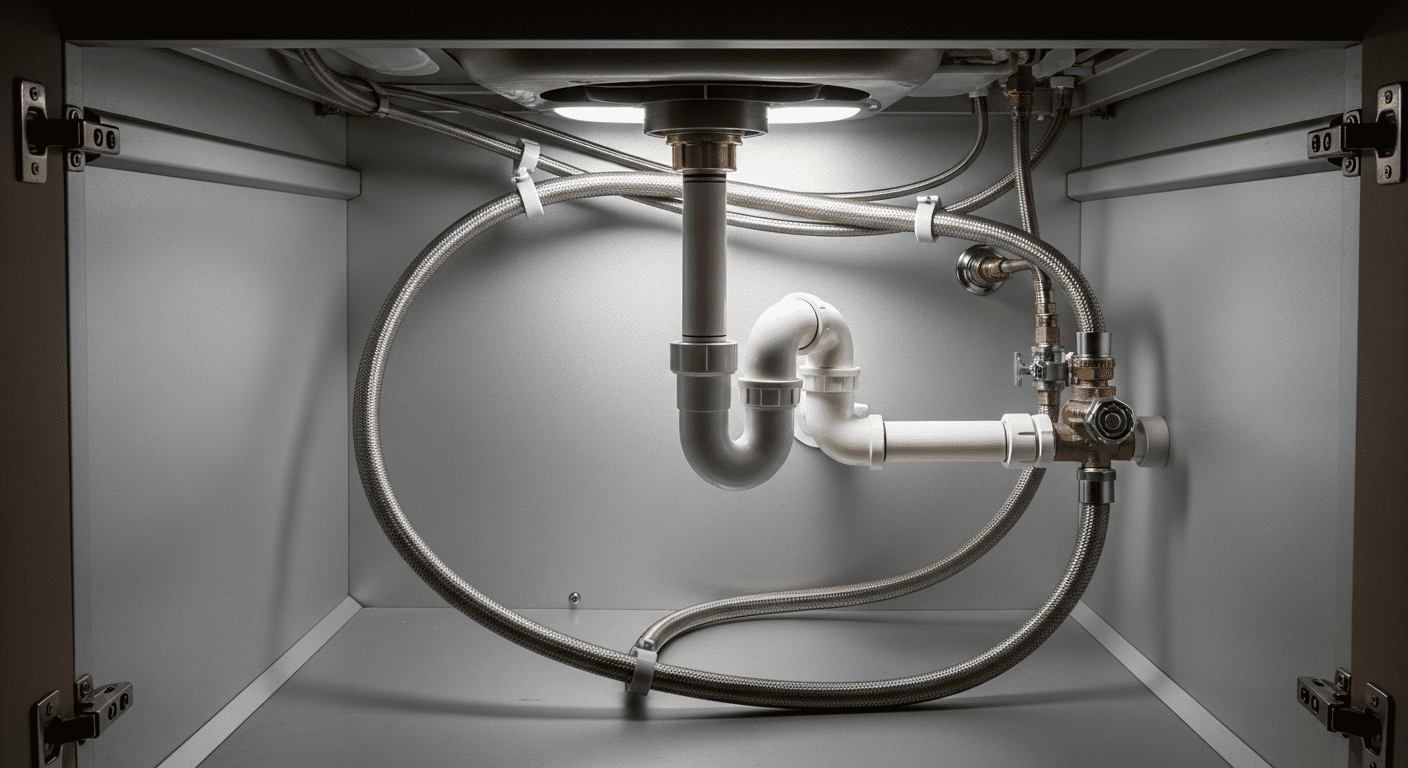
The primary water connection error involves using incorrect fittings or installation techniques that don’t account for Vancouver’s water pressure variations and mineral content. Our municipal water system delivers water at higher pressures than many other cities, and standard residential fittings might not be adequate for dishwashers and washing machines without proper pressure regulation. Professional installers routinely test water pressure and install regulators when necessary, but DIY installations often skip this step, leading to premature wear of internal seals and valves that manufacturers won’t cover under warranty.
Drainage issues create equally serious warranty problems, particularly with appliances that require specific drainage configurations to prevent contamination and backflow. Vancouver’s plumbing codes require dishwashers to have either a high loop or air gap installation to prevent dirty water from flowing back into the clean water supply. When installers cut corners on these requirements to save time or because they don’t understand their importance, the resulting water contamination can damage internal components and immediately void warranty coverage.
Water quality considerations often get overlooked during installation, but they’re becoming increasingly important for warranty coverage as manufacturers become more aware of regional water variations. Vancouver’s water contains minerals that can accumulate in appliances over time, particularly in areas like Richmond where groundwater supplements the municipal supply. Many manufacturers now require water quality testing and appropriate filtration systems for warranty coverage, especially for high-end appliances with sensitive electronic components.
Hidden Leak Detection and Prevention
One of the most insidious water-related problems involves hidden leaks that develop gradually after installation, often starting as minor seepage that isn’t immediately visible but eventually causes significant structural damage. These leaks typically begin at connection points that weren’t properly sealed or tested during installation, and they can continue undetected for months while slowly damaging flooring, walls, and surrounding cabinetry. When appliances eventually fail due to moisture-related issues, manufacturers investigate the installation thoroughly and typically find evidence of long-term water exposure that voids warranty coverage.
Professional installers use specialized equipment to pressure-test all connections and verify that fittings are properly sealed before considering an installation complete. This includes checking both supply line connections and drainage fittings under various operating pressures to ensure they can handle normal use conditions. DIY installers rarely have access to this testing equipment or the expertise to use it effectively, meaning that connections might appear secure during installation but fail under normal operating pressure.
Documentation becomes crucial for water-related warranty claims because manufacturers need proof that connections were installed correctly and tested according to their specifications. Professional installations typically include detailed documentation of pressure tests, water quality measurements, and installation procedures that can be referenced if warranty claims arise. DIY installations rarely maintain this level of documentation, making it difficult to defend against warranty denials when water damage occurs.
Ventilation and Airflow Requirements
Transitioning from water issues to airflow problems, proper ventilation represents one of the most overlooked aspects of appliance installation, yet it’s critical for both performance and warranty coverage. Vancouver’s climate creates unique ventilation challenges that differ significantly from the conditions manufacturers test their appliances under, and failure to account for these local factors can lead to premature component failure and warranty denials that catch homeowners completely off guard.
Inadequate ventilation affects appliances in multiple ways, from simple overheating that reduces efficiency to complex moisture problems that can damage electronic components over time. Dryers represent the most obvious ventilation challenge, where improper duct installation can create lint buildup that poses fire hazards and reduces appliance lifespan. Vancouver’s building codes require specific duct configurations and regular cleaning schedules, but many DIY installations use substandard ducting or routing that doesn’t meet these requirements, potentially voiding warranty coverage if problems develop.
Refrigerators and freezers face unique ventilation challenges in Vancouver’s dense urban environment, where space constraints often force installations into tight quarters with inadequate clearance for proper air circulation. These appliances need specific clearances around their condensers and ventilation systems to operate efficiently, and insufficient airflow can cause compressors to overheat and fail prematurely. Manufacturers specify minimum clearance requirements in their installation guides, and failure to meet these specifications automatically voids warranty coverage when cooling system failures occur.
Dishwashers require proper ventilation to manage steam and moisture generated during operation, and this becomes particularly important in Vancouver’s humid climate where additional moisture can create condensation problems. Professional installations typically include proper venting systems and moisture management strategies that account for local climate conditions, while DIY installations often overlook these requirements until condensation damage becomes apparent months later.
Documentation and Professional Installation Requirements
Understanding the importance of proper documentation brings us to one of the most crucial aspects of warranty protection that many Vancouver homeowners discover too late. Modern appliance warranties increasingly require professional installation by certified technicians, not as a revenue-generating requirement, but because the complexity of today’s connected appliances makes proper installation critical for reliable operation. The documentation requirements that accompany professional installation serve as proof that warranty conditions were met, and this paperwork becomes essential when warranty claims arise.
Professional installation provides multiple layers of protection that extend beyond simple warranty coverage, including proper permitting, code compliance verification, and detailed installation records that can be referenced years later when problems develop. Vancouver’s permitting process for major appliance installations ensures that electrical and plumbing work meets current safety standards, and these permits become part of the property’s permanent record. DIY installations that skip the permitting process can create liability issues that affect not only warranty coverage but also homeowner’s insurance claims and property values.
The certification requirements for appliance installers have become increasingly stringent as appliances incorporate more sophisticated technology and safety systems. Professional technicians undergo regular training on manufacturer-specific installation procedures, local building codes, and safety protocols that ensure installations meet all applicable standards. This expertise becomes particularly valuable in Vancouver’s diverse housing market, where installers must navigate everything from heritage home preservation requirements to modern strata regulations that can significantly impact installation procedures.
Insurance implications often get overlooked when homeowners choose DIY installation over professional services, but they can become critically important when problems develop. Many homeowner’s insurance policies require that major appliances be installed according to manufacturer specifications and local building codes, and DIY installations that don’t meet these standards can result in denied insurance claims for water damage, electrical fires, or other installation-related incidents. Professional installation documentation provides proof that these requirements were met, protecting homeowners from potential insurance disputes.
Frequently Asked Questions
What makes Vancouver appliance installation different from other cities?
Vancouver’s unique combination of older heritage homes, strict strata regulations, and coastal climate creates installation challenges not found in other cities. Our salt air accelerates corrosion of metal components, while building codes vary significantly between municipalities in Metro Vancouver. Additionally, many older neighborhoods like Commercial Drive have electrical systems that require special considerations for modern appliances.
How can I tell if my appliance installation will void the warranty?
Most modern appliances require professional installation by certified technicians to maintain warranty coverage, especially built-in units and high-end appliances. Check your warranty documentation for specific installation requirements, and look for language requiring “qualified technician installation” or similar terminology. If your warranty requires professional installation, DIY work will automatically void coverage regardless of how well it’s done.
Are there specific Vancouver building codes I need to know about?
Yes, Vancouver has specific requirements for appliance installations, particularly regarding electrical connections, water supply protection, and ventilation systems. Dishwashers must have backflow prevention devices, dryers need specific duct configurations, and many appliances require dedicated electrical circuits. These requirements can vary between Vancouver proper and surrounding municipalities like Burnaby or Richmond.
What should I look for when hiring a professional installer in Vancouver?
Choose installers who are certified by the appliance manufacturer, licensed for electrical and plumbing work in BC, and familiar with local building codes. Ask for references from recent installations in your neighborhood, verify their insurance coverage, and ensure they’ll provide proper documentation and permits. Professional installers should also be willing to explain local requirements specific to your area.
Can I fix installation mistakes myself without voiding the warranty?
Generally no – once an installation error has been identified as the cause of an appliance problem, attempting DIY repairs will likely void any remaining warranty coverage. If you suspect installation issues, contact the manufacturer or a certified repair technician immediately. Some manufacturers offer grace periods for correcting installation errors, but this typically requires professional assessment and remediation to maintain warranty protection.
Wrapping Up
The allure of DIY appliance installation is understandable – it seems like a straightforward way to save money while gaining satisfaction from completing the work yourself. However, Vancouver’s unique housing landscape, strict building codes, and complex warranty requirements create a minefield of potential problems that can easily turn cost savings into expensive mistakes. From electrical connection errors in heritage homes to ventilation challenges in modern condos, the stakes are simply too high to risk voiding warranty coverage for what might amount to a few hundred dollars in installation costs.
When you’re ready to install new appliances in your Vancouver home, Vancouver Appliance Service Pros can ensure your installation meets all manufacturer requirements, local building codes, and warranty conditions. Our certified technicians understand the unique challenges of Vancouver’s diverse housing stock and provide the documentation and professional expertise necessary to protect your investment. Contact us today to schedule a consultation and avoid the costly mistakes that can turn your new appliances into expensive repair headaches.