




Vancouver Appliance Noise Guide: Strange Sounds Decoded
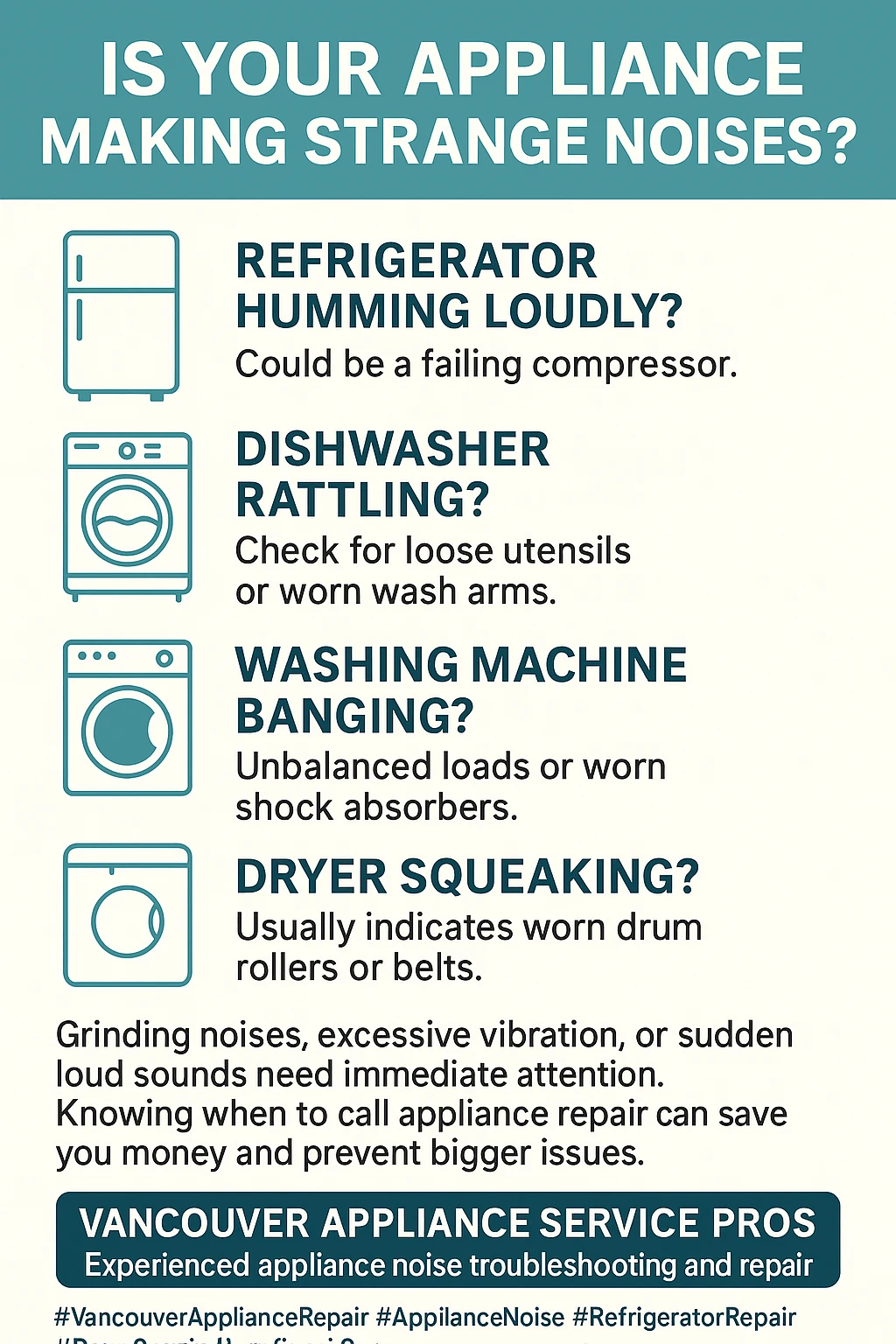
Is your Vancouver home suddenly hosting a percussion ensemble starring your refrigerator, washing machine, and dishwasher? Don’t hit the panic button just yet – those mysterious sounds might be your appliances’ way of asking for a little TLC rather than announcing their retirement! Picture this: you’re settling in for a cozy Vancouver evening when suddenly your kitchen transforms into what sounds like a construction site. Your fridge starts humming like it’s auditioning for a heavy metal band, your dishwasher begins grinding like an old coffee mill, and you’re left standing there wondering if your appliances have staged some sort of rebellion. Trust me, I’ve been in that exact spot at 2 AM, coffee cup in hand, trying to decode whether that rattling sound meant my washing machine needed help or was just having a particularly dramatic moment. Living here in Vancouver means our appliances work extra hard through our rainy seasons and temperature swings. Our homes in neighborhoods like Kitsilano, Commercial Drive, and Mount Pleasant rely heavily on these hardworking machines, and understanding their various vocal habits can save you from costly emergency repairs. Whether it’s the normal operational chatter or warning signs that need immediate attention, learning your appliances’ language is honestly one of the most valuable homeowner skills you can develop.
Key Outtakes:
- Normal appliance sounds include gentle humming, soft clicking during cycle changes, and water flowing noises that indicate proper operation
- Warning signs include loud grinding, persistent rattling, high-pitched squealing, or sudden changes in usual sound patterns
- Many noise issues can be resolved with simple maintenance like cleaning coils, leveling machines, or removing obstructions
- Refrigerator compressor problems and washing machine bearing issues require professional Vancouver appliance repair services
- Regular maintenance and early intervention can prevent minor sound issues from becoming major expensive repairs
Understanding Your Appliance’s Normal Operating Sounds
Before we dive into troublesome noises, let’s get real about something important – modern appliances aren’t supposed to be silent operators. They’re complex machines packed with motors, pumps, fans, and moving parts that naturally create sounds during normal operation. Think of these sounds as your appliance’s way of letting you know everything is working as it should, like a gentle conversation between you and your hardworking kitchen companions. 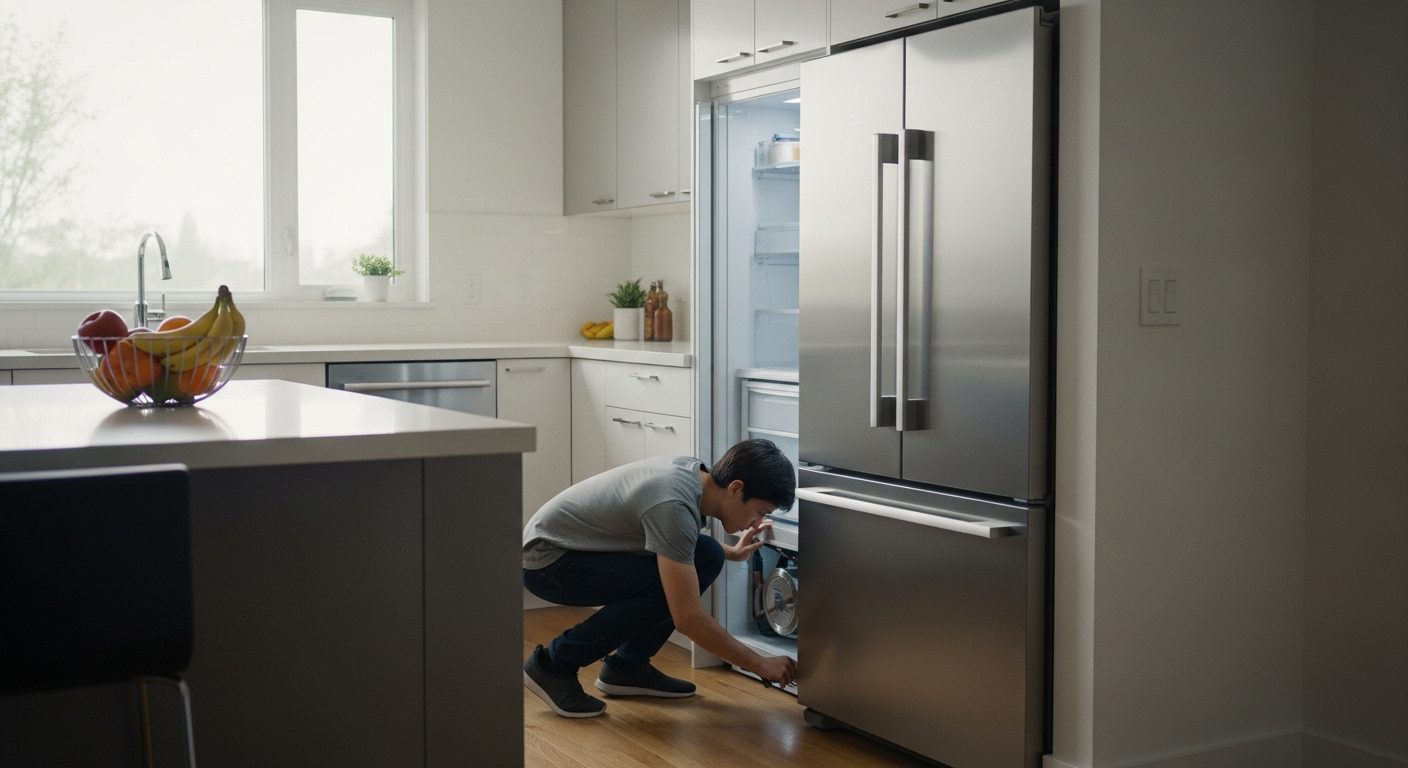 Most refrigerators produce a low, steady humming when the compressor kicks in to maintain proper temperatures. You might also hear occasional clicking as the defrost timer cycles on and off, or gentle gurgling sounds as refrigerant flows through the system. These sounds are completely normal and indicate that your fridge is doing its job properly. The key is familiarizing yourself with these baseline sounds so you can easily identify when something changes. Dishwashers typically make swishing sounds as water circulates, gentle humming from the motor, and soft clicking as they transition between wash cycles. During the drain cycle, you might hear water gurgling as it exits through the disposal or drain line. Modern dishwashers are designed to operate quietly, but some sound is normal and expected during their various cleaning phases. Understanding these patterns helps you distinguish between normal operation and potential problems.
Refrigerator Noise Diagnosis and Solutions
Now that we’ve established what normal sounds like, let’s talk about your refrigerator – probably the most vocal appliance in your Vancouver home. Understanding refrigerator sounds starts with knowing where different components are located and what they do during normal operation. Your fridge works constantly to maintain proper temperatures, so it’s one of the most chatty appliances you’ll encounter. 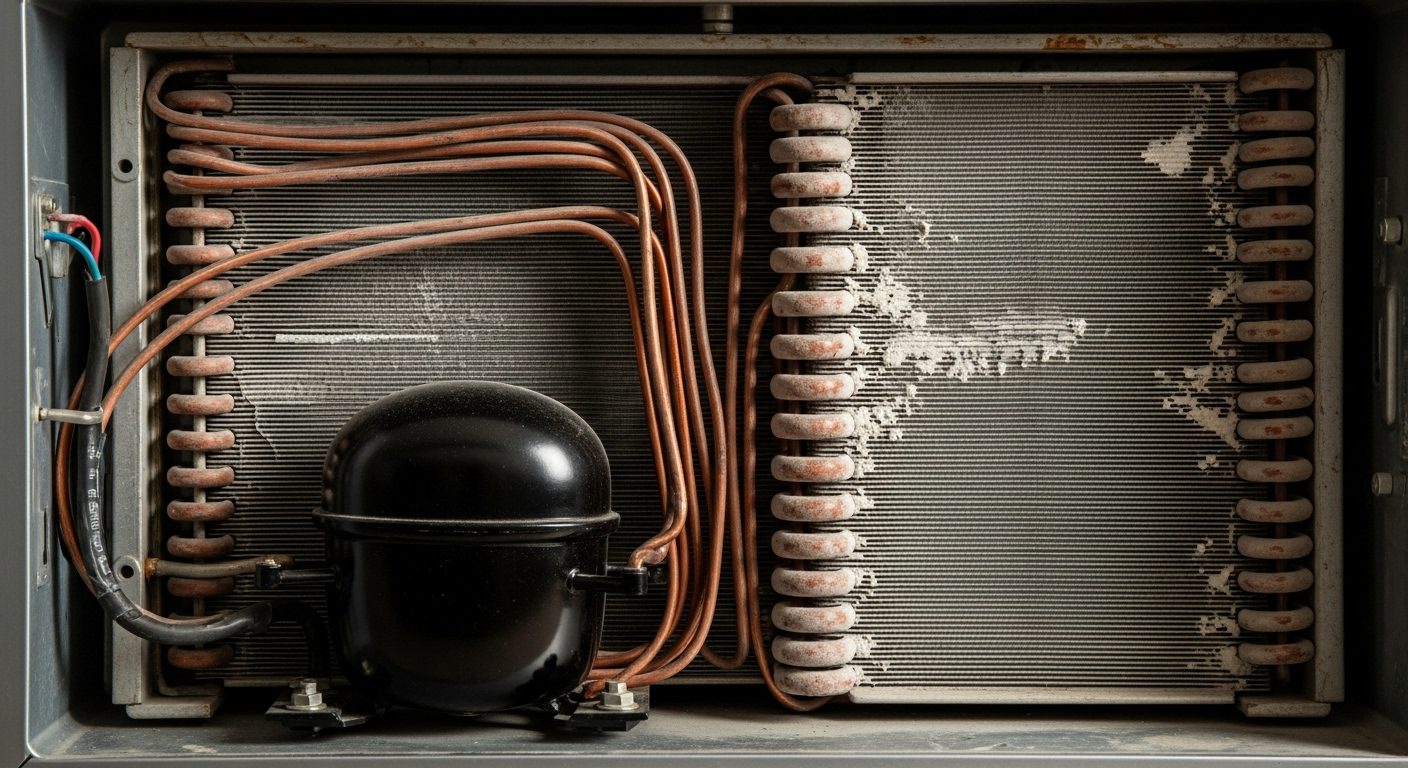 The compressor, located at the bottom back of your refrigerator, is responsible for circulating refrigerant through the cooling system. A normal compressor produces a steady, low humming sound that may be slightly more noticeable when it first starts up or when the fridge is working harder after being loaded with groceries. However, if this humming becomes significantly louder, turns into a grinding noise, or is accompanied by clicking every few minutes, you may have a failing compressor or start relay issue that needs professional attention. Buzzing sounds coming from your refrigerator can have several sources, depending on their location and timing. If the buzzing comes from the exterior, check for loose panels, items stacked on top that might vibrate, or even refrigerator magnets that could rattle against the door. A buzzing sound from the bottom might indicate an unbalanced refrigerator or a loose drip pan that needs repositioning. Simple adjustments can often resolve these issues quickly.
Interior Refrigerator Sounds and Solutions
Inside your refrigerator, buzzing can be normal if you have an ice maker – the water valves often hum when refilling the ice tray. However, continuous buzzing when the ice maker is disconnected from water supply should be addressed promptly. Self-defrosting models may produce intermittent buzzing as water drips onto heated coils during defrost cycles, which is perfectly normal. Grinding or squealing from the freezer compartment usually points to evaporator fan problems. This fan circulates cold air throughout the freezer and refrigerator sections. Ice buildup around the fan blades can cause grinding sounds, which might be resolved by manually defrosting your freezer. If grinding persists after defrosting, the fan motor may need replacement. Temperature fluctuations and unusual cooling patterns often accompany fan problems, so addressing these sounds quickly can prevent food spoilage and more expensive repairs. The condenser fan, located near the compressor, can also create rattling or humming if debris accumulates around the blades or if the motor begins to fail. Regular cleaning of this area can prevent many noise issues and keep your refrigerator running efficiently in Vancouver’s varying climate conditions.
Washing Machine Sound Troubleshooting
Moving from the kitchen to the laundry room, washing machines present their own unique symphony of sounds during operation. These hardworking appliances handle significant mechanical stress, moving heavy loads of wet clothes through various cycles, so understanding their normal sounds versus problem indicators is crucial for preventing costly breakdowns. 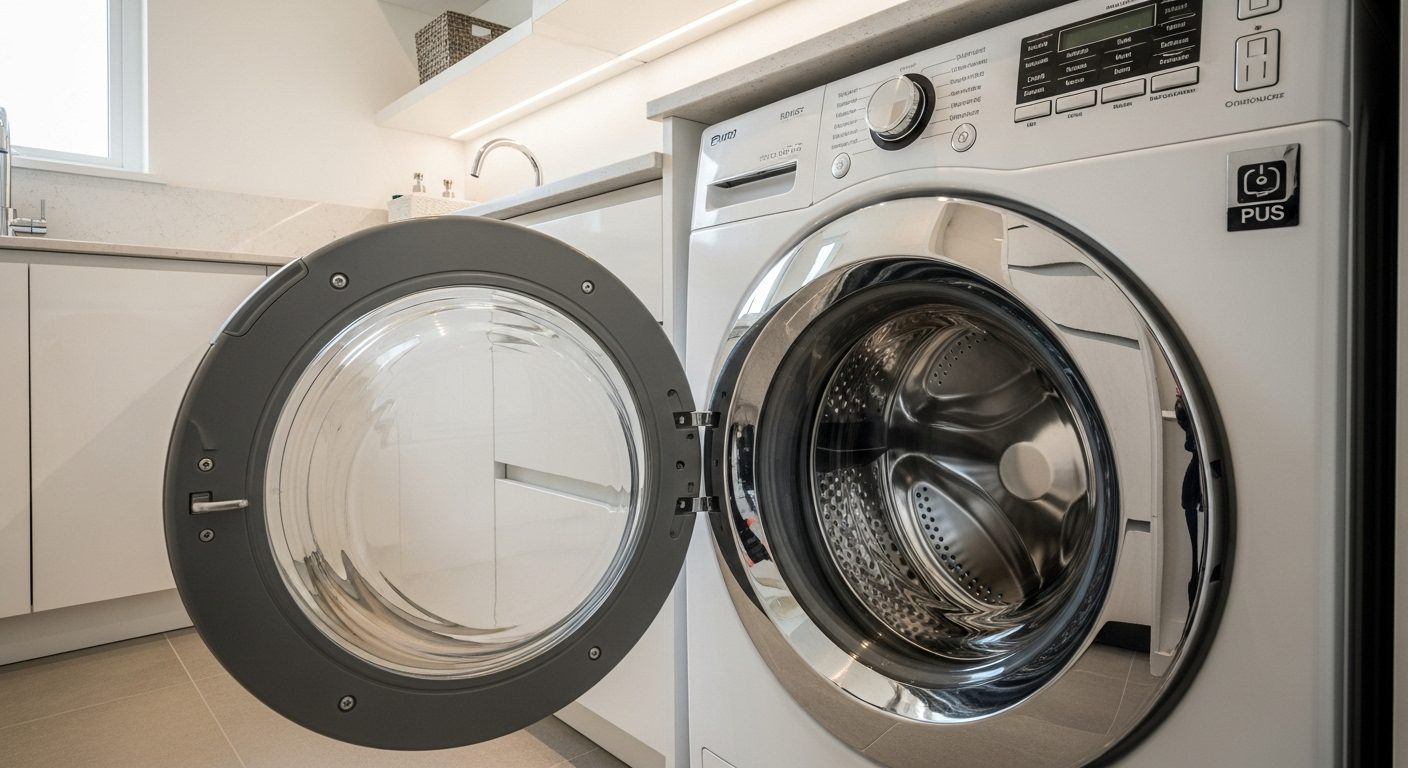 Normal washing machine operation includes gentle swishing during fill and wash cycles, steady humming or whirring from the motor during agitation and spin cycles, and brief clicking sounds as the machine transitions between different phases. You might also hear water filling the tub and later draining out, along with some slight vibration during the spin cycle, especially if the load becomes slightly unbalanced. However, certain sounds should immediately grab your attention and prompt investigation. Loud banging or thumping during the spin cycle often indicates an unbalanced load, but persistent banging after redistributing clothes could signal problems with suspension rods, shock absorbers, or drum bearings. These components help stabilize the tub during high-speed spinning, and failure can lead to significant internal damage if not addressed promptly.
Identifying Serious Washing Machine Issues
Grinding noises during wash cycles are particularly concerning and often indicate foreign objects caught between the inner and outer tubs. Items like coins, buttons, or small toys can work their way past the drum holes and create grinding sounds as they get caught in moving parts. Stop using the machine immediately if you hear grinding, as continued operation can cause extensive damage to internal components. Squealing or screeching sounds typically point to belt problems or bearing wear. The belt that drives the pump and drum can stretch, fray, or slip over time, creating high-pitched noises. Similarly, worn drum bearings produce squealing sounds and may be accompanied by black marks on clothing or rust-colored water. Both issues require professional attention to prevent complete machine failure. Rattling sounds can stem from loose items in clothing pockets, loose internal components like pulleys or motor mounts, or problems with the machine’s leveling. Always check for coins, keys, or other small items first, but persistent rattling after clearing pockets suggests internal mechanical issues that need professional diagnosis and repair. Proper maintenance can prevent many of these problems from developing.
Dishwasher and Other Appliance Noise Issues
Dishwashers, while generally quieter than washing machines, can develop their own concerning sounds that indicate maintenance needs or component failures. Understanding these sounds helps maintain proper cleaning performance and prevents water damage from leaks or pump failures that might develop from ignored warning signs. Grinding noises in dishwashers often indicate problems with the food disposal system or pump assembly. Many dishwashers include garbage disposal-like mechanisms that chop food particles, and these can become damaged by hard objects like bones, fruit pits, or silverware. The grinding might also come from a failing wash pump motor struggling to circulate water properly through the spray arms. Excessive noise during fill cycles might indicate water inlet valve problems, while unusual sounds during drain cycles could suggest clogs in the drain hose or garbage disposal connection. Rattling sounds often come from loose utensils or dishes, but can also indicate loose spray arms or internal components that need tightening or replacement. Before calling for service, check that dishes are properly loaded and not blocking spray arm rotation. Persistent rattling after checking dish placement usually indicates mechanical issues requiring professional attention.
Dryer Noise Diagnosis
Clothes dryers produce their own set of sounds that can indicate maintenance needs or developing problems. Normal dryer operation includes the sound of the drum rotating, gentle humming from the motor, and air moving through the ventilation system. Brief squeaking when starting is normal and should disappear within a few seconds as components warm up. However, continuous squeaking throughout the cycle, loud thumping sounds, or grinding noises suggest problems that need attention. Squeaking often indicates worn drum support wheels, frayed belts, or dry drum bearings. Thumping might come from loose objects in the drum, an unbalanced load, or worn drum supports that allow excessive movement. Rattling in dryers can result from loose screws, foreign objects in the lint filter area, or items caught between the drum and cabinet. Always check for loose buttons, coins, or small items that might have fallen out of pockets. If rattling persists after removing loose objects and checking screws, internal components may need professional inspection.
Frequently Asked Questions
What should I do if my refrigerator suddenly gets much louder?
If your refrigerator suddenly becomes significantly louder, first check for items vibrating on top or nearby that might amplify the sound. Listen to determine if the noise comes from the compressor area at the bottom back, which might indicate a failing compressor or dirty condenser coils. Clean the condenser coils with a vacuum and brush attachment, ensure proper spacing around the unit for airflow, and check that the refrigerator sits level. If cleaning and leveling don’t reduce the noise, contact a professional appliance repair service in Vancouver as compressor problems can lead to complete cooling failure.
How can I tell if washing machine noises are serious or just normal wear?
Normal washing machine wear produces gradual increases in operational sound levels, while serious problems create sudden new noises or dramatic changes in existing sounds. Gentle increases in humming or slight vibration over months or years is normal aging, but sudden grinding, loud banging, or high-pitched squealing indicates immediate problems. If you notice water leaks, unusual vibration patterns, or clothes coming out damaged alongside new sounds, stop using the machine and seek professional diagnosis. Document when specific sounds occur during cycles to help technicians identify the problem area.
When should I call a professional versus trying DIY appliance noise fixes?
DIY fixes work well for external issues like loose panels, unbalanced loads, or cleaning maintenance, but internal mechanical problems require professional attention. Attempt DIY solutions for rattling from loose items, cleaning condenser coils, releveling appliances, or clearing visible obstructions. However, call professionals for grinding sounds from internal components, electrical issues, refrigerant-related problems, or when warranty coverage might be affected. If you’re uncomfortable working around electrical connections or gas lines, or if initial troubleshooting doesn’t resolve the issue, professional service ensures safety and prevents additional damage from incorrect repairs.
Wrapping Up
Learning to decode your appliance’s language of sounds empowers you to catch problems early, prevent costly emergency repairs, and keep your Vancouver home running smoothly throughout all seasons. Remember that while some operational noise is completely normal, sudden changes in sound patterns or entirely new noises deserve your immediate attention. Regular maintenance like cleaning condenser coils, leveling machines, and clearing lint filters can prevent many noise issues from developing in the first place, especially important in our Pacific Northwest climate where humidity and temperature changes can stress appliances. Whether you’re located in trendy Yaletown, family-friendly Dunbar, or the vibrant West End, Vancouver Appliance Service Pros understands the unique challenges our local climate presents to household appliances. When those mysterious sounds go beyond simple maintenance fixes and indicate serious mechanical issues, our experienced technicians provide reliable diagnosis and repair services throughout the Vancouver area. Don’t let small noise problems turn into major breakdowns – trust your instincts when something doesn’t sound right, and contact Vancouver Appliance Service Pros for professional appliance repair that keeps your home running efficiently and quietly year-round.