


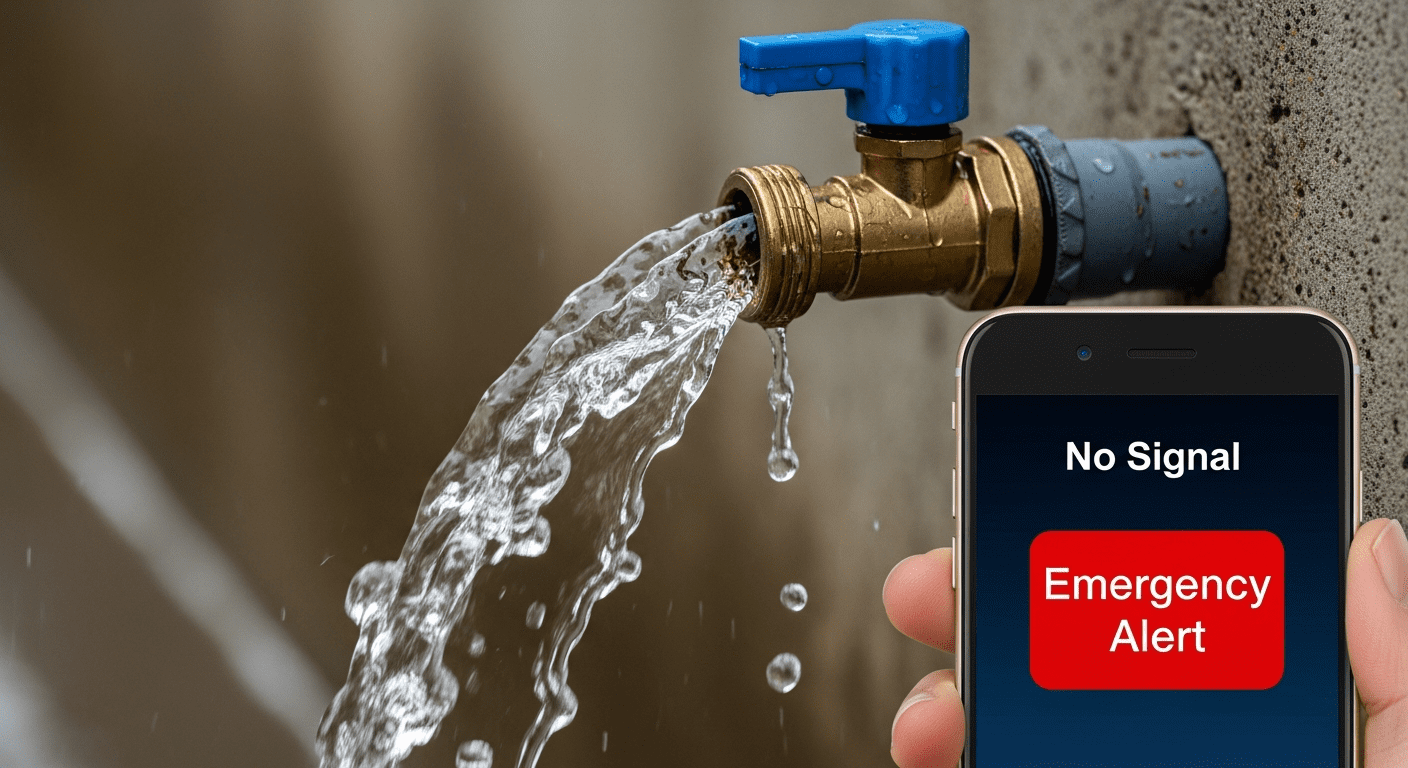
Ever opened your dishwasher to find your kitchen floor looking like a mini swimming pool, or discovered your washing machine has turned your laundry room into an unexpected water park? Let’s dive into the wild world of appliance water damage and arm you with the prevention and repair knowledge that could save your Vancouver home from becoming the next aquatic disaster zone! Picture this: you’re sipping your morning coffee in your cozy Kitsilano kitchen when you hear that dreaded sound – the unmistakable whoosh of water where it absolutely shouldn’t be. Whether you’re in the heritage homes of Shaughnessy or the modern condos of Yaletown, appliance water damage doesn’t discriminate. It’s like that uninvited guest who shows up at the worst possible moment and refuses to leave without causing maximum chaos. Living in Vancouver means we’re already dealing with enough moisture from our famously wet climate. The last thing any of us needs is our trusty appliances adding to the water woes inside our homes. From sneaky refrigerator leaks that creep under your beautiful hardwood floors to dramatic washing machine floods that send you into full panic mode, these household heroes can quickly turn into household villains when something goes wrong.
Key Outtakes:
- Appliance water damage can occur within minutes and lead to costly secondary damage like mold growth and structural issues
- Regular maintenance and early detection are your best defenses against major water disasters
- Quick response is crucial – you have 24-48 hours before mold can start developing in wet areas
- Professional restoration services can handle everything from water extraction to insurance claims
- Prevention strategies like checking supply lines and proper installation can save thousands in repair costs
Understanding Appliance Water Damage Risks
Let me tell you, after years of watching homeowners deal with the aftermath of appliance failures, I’ve seen it all. That innocent-looking dishwasher sitting quietly in your kitchen? It’s basically a ticking time bomb if you don’t show it some love. The reality is that any appliance connected to your water supply has the potential to flood your home faster than you can say “insurance claim.” Think about it – your washing machine handles gallons of water every cycle, your dishwasher sprays water at high pressure, and your refrigerator’s ice maker has water lines running behind it. When these systems fail, they don’t just drip politely; they can unleash hundreds of gallons of water into your living space. I’ve seen homeowners return from vacation to find their basement completely flooded because a washing machine hose decided to give up the ghost. The sneaky part about appliance water damage is that it often starts small and hidden. Maybe there’s a tiny leak behind your refrigerator that you don’t notice for weeks, slowly damaging your flooring and potentially creating the perfect environment for mold growth. Or perhaps your dishwasher has a faulty door seal that’s been letting small amounts of water seep out after every cycle, gradually warping your cabinet floors. 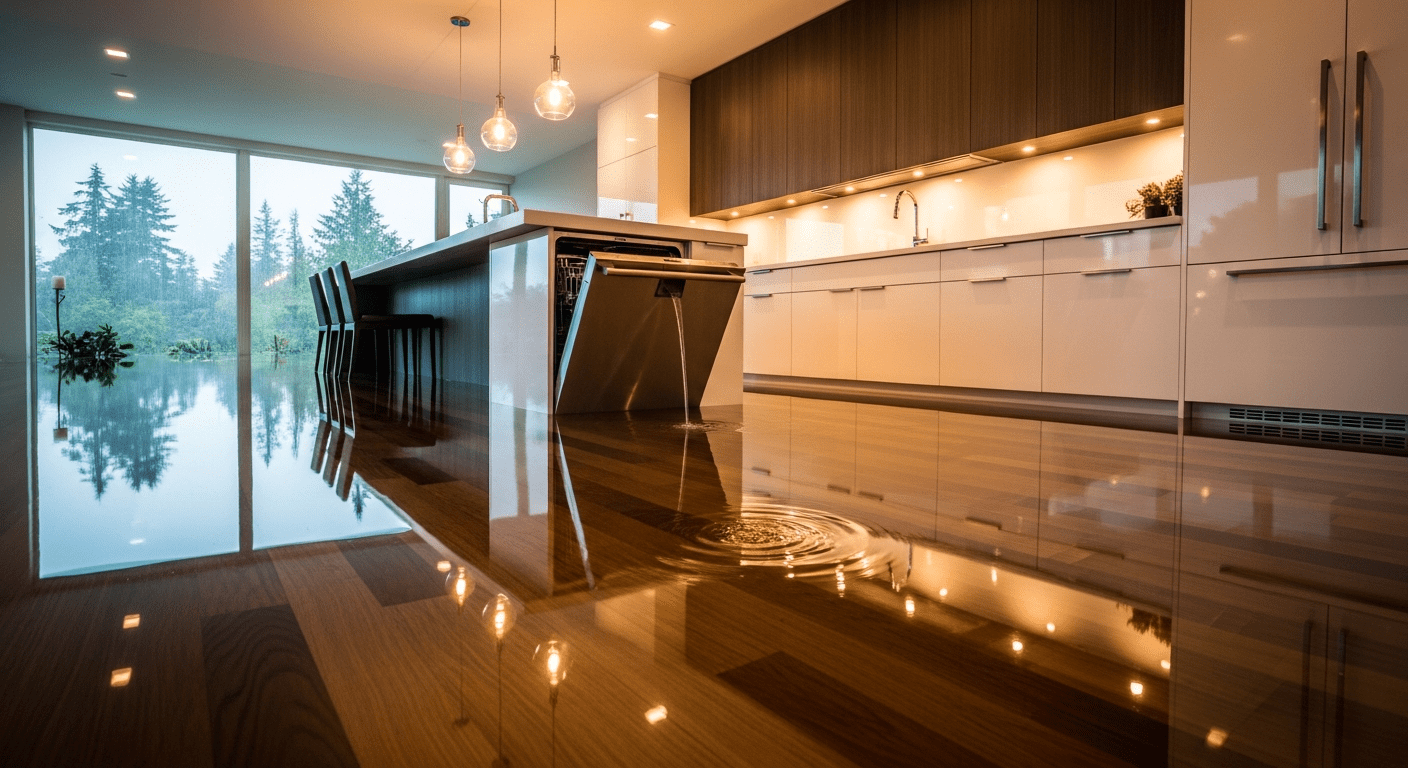
Common Appliance Water Damage Scenarios
Now that we’ve established that appliances can be water damage culprits, let’s talk about the most common scenarios that send Vancouver homeowners scrambling for their phones to call restoration services. Understanding these situations can help you spot trouble before it becomes a full-blown disaster. Washing machines are probably the biggest offenders when it comes to surprise flooding. Those rubber supply hoses that connect your washer to the wall? They have a lifespan, and when they go, they go spectacularly. I’m talking about the kind of failure that can dump 500+ gallons of water onto your laundry room floor in less than an hour. The drain hose can also become disconnected or clogged, causing water to overflow everywhere except where it’s supposed to go. Dishwashers love to keep us on our toes too. Door seals wear out over time, allowing water to escape during wash cycles. The supply line connections can loosen, and let’s not even get started on what happens when the drain hose gets kinked or clogged. I’ve seen kitchen floors completely destroyed because a dishwasher door seal failed gradually over months, with homeowners thinking those puddles were just from loading wet dishes. Refrigerators with ice makers and water dispensers have their own special brand of mischief. Those copper or plastic water lines that snake behind and under your fridge can develop leaks, especially if they get kinked during installation or moving. The worst part? These leaks often happen in hard-to-see places, so by the time you notice, there’s already significant damage to flooring and potentially the structure underneath.
Water Heaters and Their Dramatic Exits
Let’s give a special shout-out to water heaters – these workhorses don’t leak; they make grand exits. When a water heater tank fails, it’s usually catastrophic. We’re talking about 40-80 gallons of water suddenly finding new places to explore in your home. The temperature and pressure relief valve can fail, or the tank itself can develop a crack or rupture. In Vancouver’s older homes, where water heaters might be tucked away in basements or utility rooms, this kind of failure can go unnoticed until there’s serious water accumulation.
Prevention Strategies That Actually Work
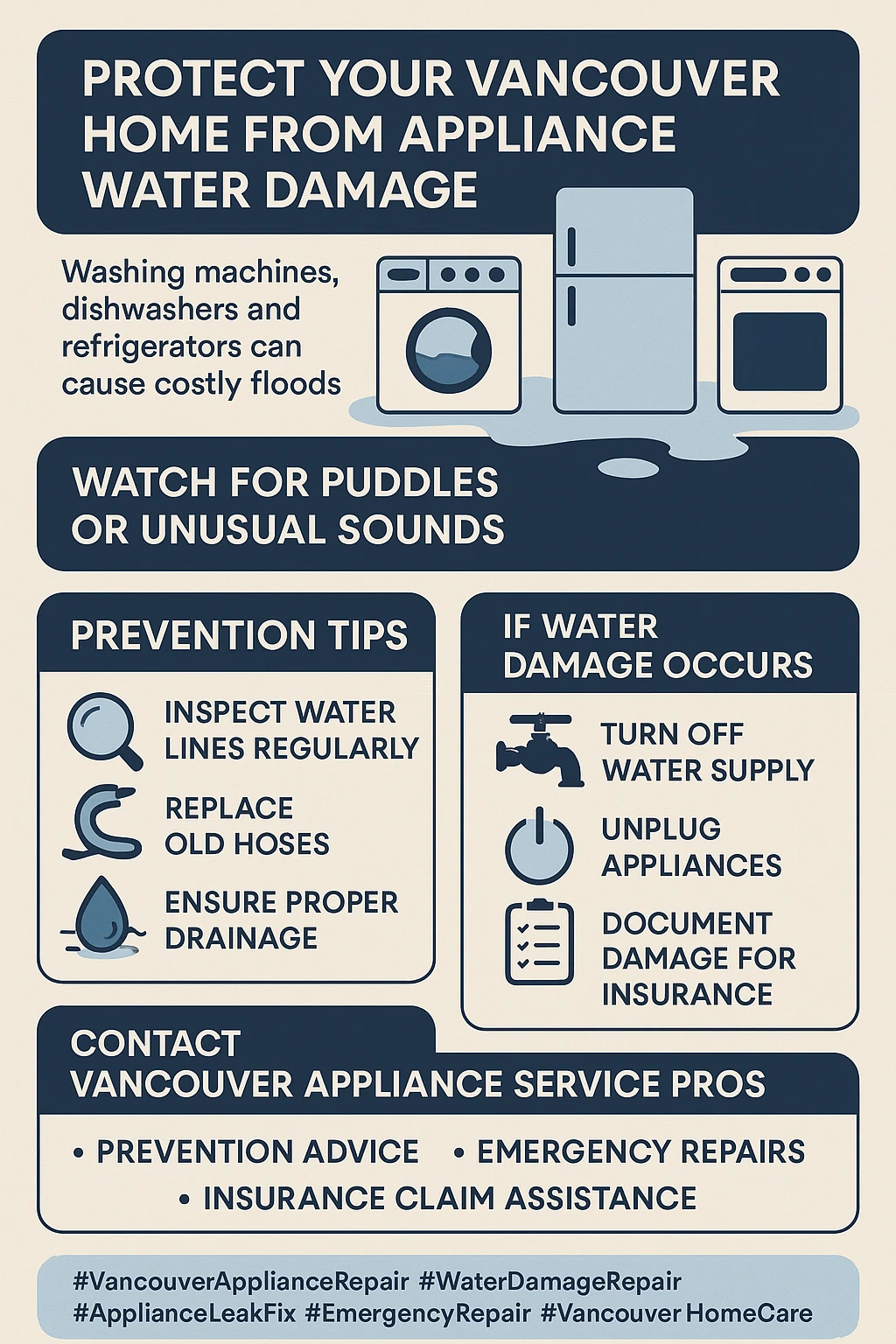
Here’s where we get into the good stuff – the prevention strategies that can save you from joining the ranks of homeowners who’ve experienced the joy of emergency water extraction at 2 AM. Trust me, prevention is so much cheaper and less stressful than dealing with the aftermath of appliance water damage. Regular inspection is your first line of defense, and I’m not talking about just glancing at your appliances when you walk by. Get down and dirty – literally. Check behind and under your appliances at least every six months. Look for signs of moisture, rust, mineral deposits, or any discoloration that might indicate slow leaks. Pay special attention to connection points where supply lines meet appliances and walls. Those rubber supply hoses on your washing machine? Replace them every five to seven years, even if they look fine. Better yet, upgrade to braided stainless steel hoses – they’re more durable and less likely to burst. I’ve seen too many homeowners think they’re saving money by keeping old hoses, only to pay thousands more in water damage repairs. The same goes for dishwasher supply lines and refrigerator water connections.
Smart Technology for Peace of Mind
Welcome to the 21st century, where technology can actually help prevent water damage! Water leak detection sensors are game-changers, especially for those of us who travel frequently or just want extra peace of mind. These little devices can be placed near appliances and will send alerts to your phone if they detect moisture. Some even connect to smart home systems and can automatically shut off water supply when a leak is detected. Consider installing water shutoff valves for individual appliances. These can be manual or automatic, and they give you the ability to quickly stop water flow to a specific appliance if something goes wrong. For washing machines, there are even specialized boxes that house the connections and include emergency shutoff capabilities. 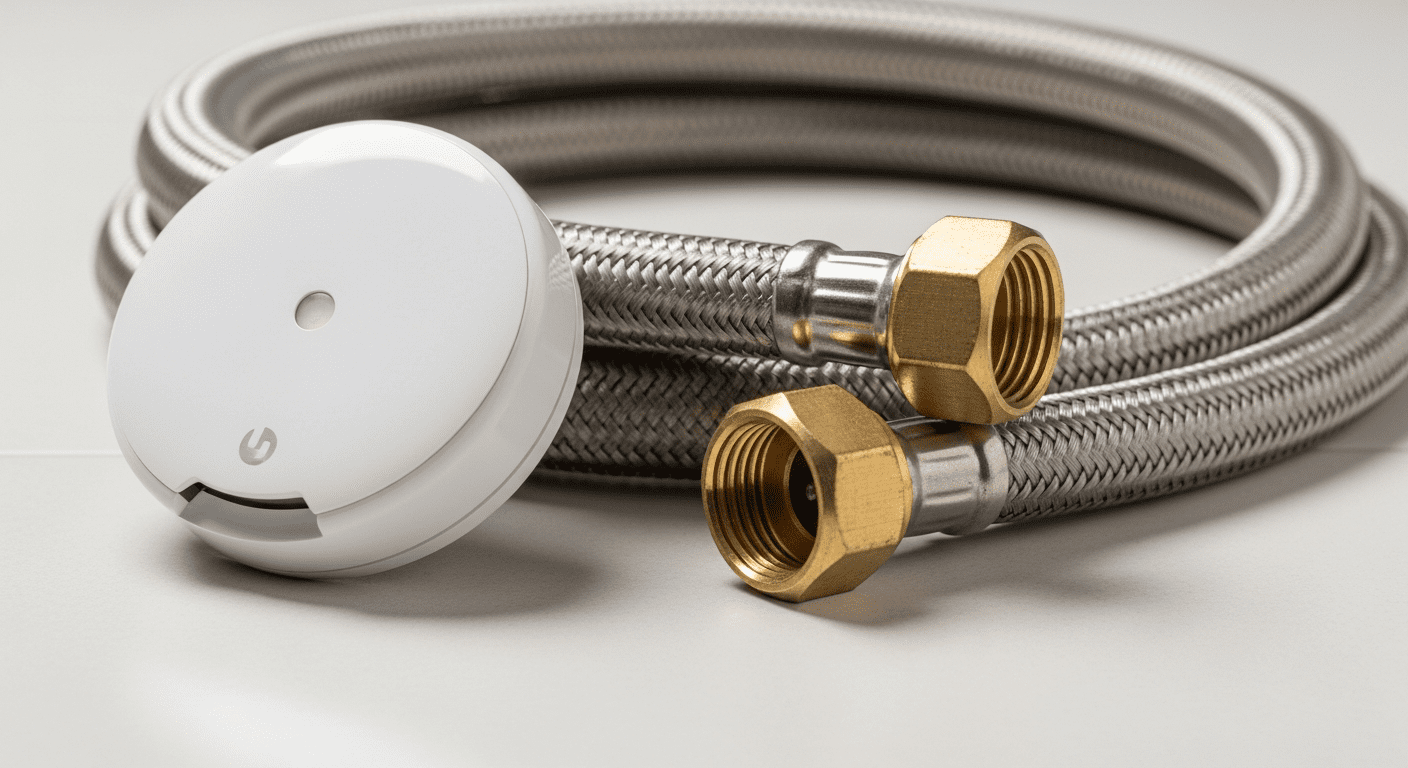
Immediate Response When Disaster Strikes
Despite our best prevention efforts, sometimes appliances still decide to go rogue. When that happens, your response in the first few minutes can mean the difference between a minor inconvenience and a major renovation project. Here’s your emergency game plan for when water starts going where it shouldn’t. First things first – safety always comes before property. If there’s any chance of electrical hazards, turn off power to the affected area at the breaker box before stepping into standing water. Water and electricity are not friends, and neither should be you when they’re hanging out together. Once you’ve ensured safety, locate and shut off the water source. This might mean turning off the supply valves to the specific appliance or, in extreme cases, shutting off water to the entire house. Start removing water immediately. If you have a wet/dry vacuum, this is its time to shine. If not, mops, towels, and buckets become your best friends. The goal is to get as much standing water up as quickly as possible. Don’t forget about water that might have seeped under appliances or into adjacent rooms – water has a sneaky way of traveling to places you wouldn’t expect. Document everything with photos before you start cleanup. Your insurance company will want to see the extent of the damage, and photos taken immediately after the incident provide the best evidence. Take pictures of the water source, standing water, and any damaged items or surfaces. This documentation can be crucial for insurance claims and helps restoration professionals understand what they’re dealing with.
Professional Help vs. DIY Cleanup
Here’s where things get real – knowing when to call in the professionals versus when you can handle cleanup yourself. If the affected area is larger than about 10 square feet, if the water has been sitting for more than 24 hours, or if you suspect contamination, it’s time to call professional restoration services. Category 2 or 3 water (gray water or black water) always requires professional handling due to health risks. Professional restoration teams bring specialized equipment like industrial-grade dehumidifiers, air movers, and moisture meters that can detect hidden water in walls and subfloors. They also understand the science of proper drying, which isn’t just about removing visible water – it’s about creating the right temperature, humidity, and airflow conditions to prevent mold growth and structural damage. 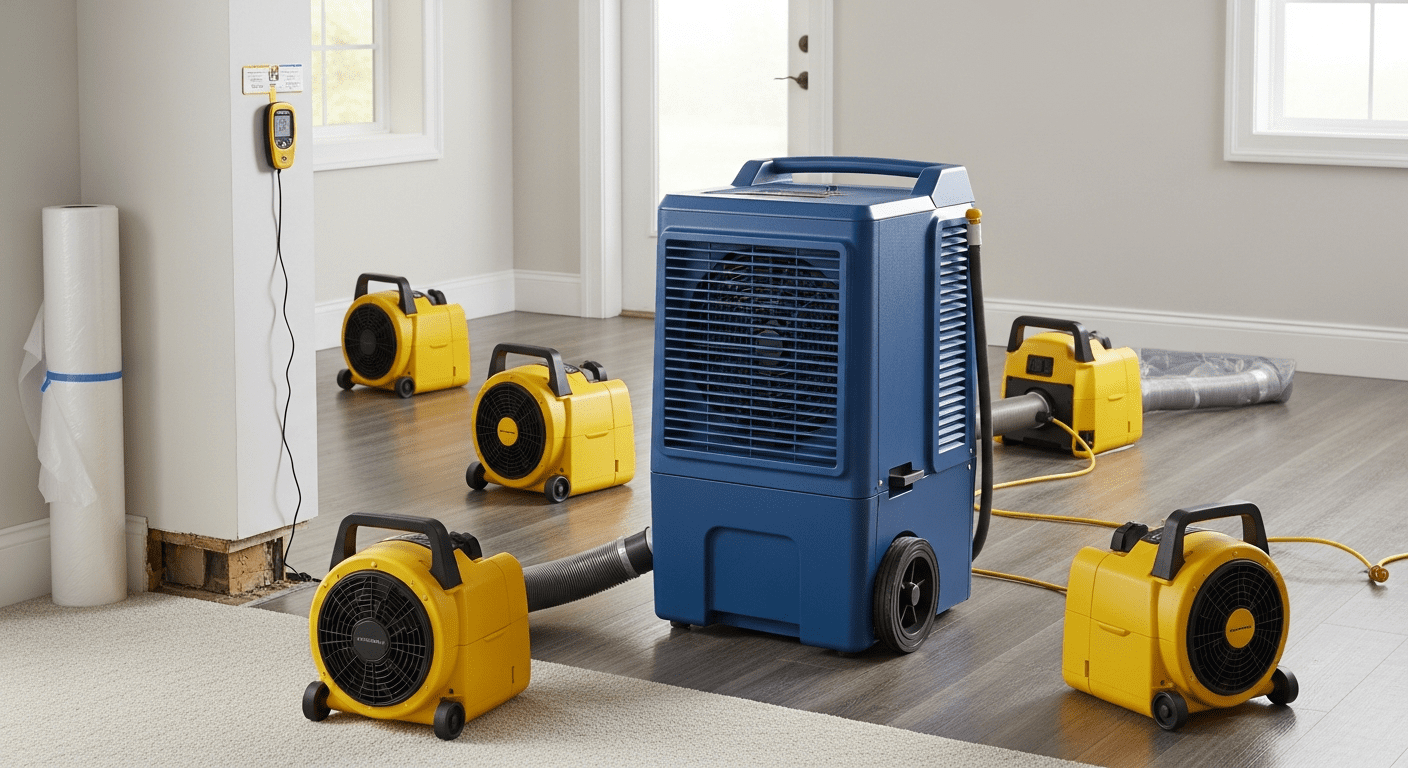
Working with Insurance and Restoration Professionals
Let’s talk about the business side of water damage – insurance claims and working with restoration companies. This part can feel overwhelming when you’re already stressed about damage to your home, but understanding the process helps everything go smoother. Most homeowner’s insurance policies cover sudden and accidental water damage from appliances, but coverage can vary significantly between policies. The key word here is “sudden” – gradual leaks that develop over time are often not covered. This is another reason why regular inspections are so important; they help ensure that any damage you discover is recent enough to qualify for coverage. When you call your insurance company, be prepared to provide detailed information about what happened, when it happened, and what’s been affected. The adjuster will likely want to inspect the damage before any major cleanup begins, so try to minimize disruption to the scene while still taking necessary steps to prevent further damage. Professional restoration companies often work directly with insurance providers and can help navigate the claims process. They understand what documentation insurers need and can provide detailed estimates and progress reports. Many companies also offer direct billing to insurance, meaning you only pay your deductible upfront rather than the full amount.
Long-term Prevention and Maintenance
Once you’ve dealt with water damage – or better yet, before you ever have to – establishing a long-term prevention and maintenance routine is crucial. This isn’t just about avoiding future problems; it’s about protecting your investment in your home and maintaining a healthy living environment. Create an appliance maintenance schedule and stick to it. This should include checking supply lines, cleaning lint from dryer vents, descaling appliances as needed, and replacing filters. Keep a log of when you perform maintenance tasks and when components like hoses or seals were last replaced. Your future self will thank you when you don’t have to guess whether those washing machine hoses are three years old or eight years old. Consider the age and condition of your appliances when planning your maintenance routine. Appliances that are approaching the end of their expected lifespan need more frequent attention. If you’re in an older Vancouver home with aging appliances, it might make financial sense to replace them proactively rather than wait for a failure that could cause significant water damage.
Home Monitoring Systems
Modern technology offers several options for keeping tabs on your home’s water systems. Beyond simple leak detectors, there are comprehensive home monitoring systems that can track water usage patterns and alert you to unusual consumption that might indicate a hidden leak. Some systems can even automatically shut off your main water supply if they detect a major leak. Smart water heaters and appliances with connectivity features can send alerts about maintenance needs or operational issues before they become problems. While these features add to the initial cost, they can provide valuable peace of mind and potentially prevent costly damage.
Frequently Asked Questions
How quickly can water damage lead to mold growth?
Mold can start developing within 24 to 48 hours in the right conditions, which is why immediate response to water damage is so critical. In Vancouver’s naturally humid climate, this timeline can be even shorter. The combination of moisture, organic materials (like wood or drywall), and warm temperatures creates perfect conditions for mold spores to germinate and begin growing. This is why professional restoration teams emphasize rapid water extraction and thorough drying – they’re racing against the clock to prevent secondary damage.
What should I do if water damage occurs while I’m away from home?
If you discover water damage after being away, the first priority is safety assessment, followed by immediate mitigation. Turn off electricity to affected areas, document the damage with photos, and contact both your insurance company and a water restoration service immediately. If the water has been sitting for more than 48 hours, professional remediation is almost certainly necessary due to the high likelihood of mold growth. Don’t attempt to handle extensive water damage on your own after a delay – the health risks and potential for making the situation worse are too high.
Are braided stainless steel appliance hoses really worth the extra cost?
Absolutely, and here’s why: traditional rubber hoses are the most common cause of catastrophic appliance water damage. Braided stainless steel hoses are significantly more durable, resistant to bursting, and have a longer lifespan than rubber alternatives. When you consider that a burst washing machine hose can cause tens of thousands of dollars in water damage, spending an extra $30-50 on quality hoses is one of the best insurance policies you can buy. Most professional plumbers won’t even install rubber hoses anymore – they’ve seen too many failures.
Wrapping Up
Appliance water damage might seem like one of those “it won’t happen to me” scenarios, but the reality is that it’s surprisingly common and can be incredibly costly. The good news is that with proper prevention, regular maintenance, and quick response when problems do occur, you can minimize both the likelihood and impact of water damage in your Vancouver home. Remember, an ounce of prevention really is worth a pound of cure – especially when that cure involves industrial dehumidifiers running in your living room for a week. When water damage does strike, don’t try to handle major cleanup on your own. Vancouver Appliance Service Pros understands the unique challenges that Vancouver homeowners face, from our wet climate to the mix of older and newer homes throughout the city. Our experienced team can help with both emergency water damage response and the preventive maintenance that keeps small problems from becoming big disasters. Contact us today to schedule an appliance inspection or for immediate assistance with water damage restoration.