Frustrated with a dryer that’s tumbling clothes but leaving them as damp as when they went in? Let’s dive into the seven most common culprits behind this laundry day nightmare and walk through some surprisingly simple fixes that’ll have your dryer heating like a champ again.
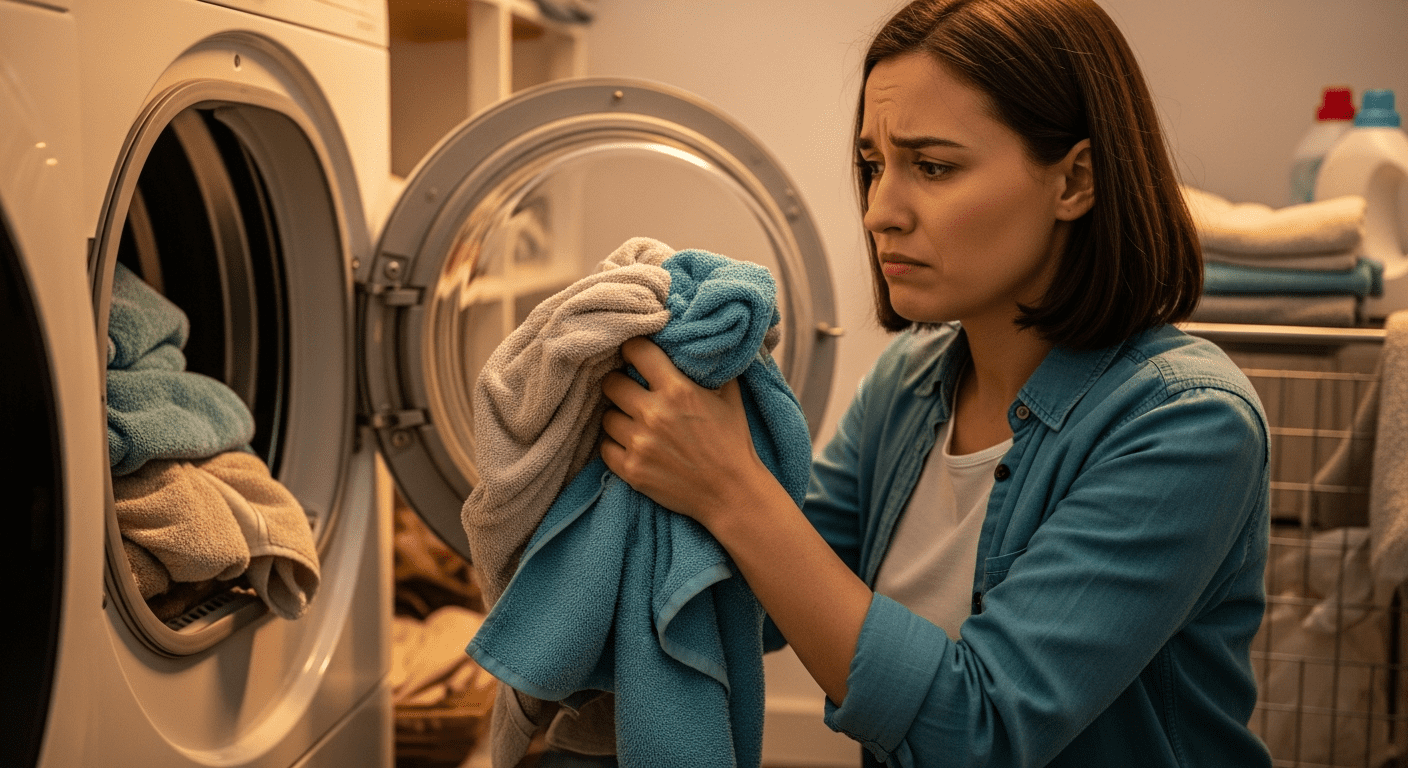
Picture this: it’s Sunday night in Kitsilano, you’ve got a mountain of laundry to tackle before the week starts, and your trusty dryer decides to give you the cold shoulder—literally. I’ve been there, standing in my laundry room at 10 PM, pulling out soggy towels that should’ve been fluffy and warm. It’s like your dryer suddenly forgot its one job and turned into the world’s most expensive clothes tumbler. The good news? Most dryer heating issues aren’t as scary as they seem. Sure, it might feel like your appliance is plotting against you, but usually it’s just crying out for some basic TLC or a simple part replacement that costs less than a fancy dinner out.
Key Outtakes:
- Blown thermal fuses are the most common cause of heating failure, often triggered by clogged vents
- Simple maintenance like cleaning lint filters and exhaust ducts can prevent most heating problems
- Heating element burnout in electric dryers is repairable and doesn’t require buying a new machine
- Gas dryer igniter issues are surprisingly common but easily diagnosed with basic observation
- Professional repair typically costs $150-300, far less than replacing your entire dryer
Understanding Why Your Dryer Stopped Heating
When your dryer stops producing heat, it’s essentially become a very expensive clothes spinner. The heating system in your dryer is actually pretty straightforward—whether you’ve got an electric unit with heating elements or a gas model with burners and igniters, the goal is the same: generate hot air to remove moisture from your clothes. Electric dryers work like giant hair dryers, using metal heating elements that get red-hot when electricity flows through them. Gas dryers, on the other hand, burn natural gas or propane to create heat, which then gets blown through your clothes by a fan system. Both types rely on proper airflow to work efficiently and safely. The tricky part is that your dryer has multiple safety systems designed to shut down heating if something goes wrong. While these safety features prevent fires and protect your home, they can also leave you scratching your head when your dryer suddenly stops working. Understanding these protective mechanisms is key to diagnosing what’s gone wrong and getting your laundry routine back on track.
The Seven Most Common Heating Problems
 Now that we understand the basics, let’s dig into the specific issues that cause heating failures. Each of these problems has distinct symptoms and varying levels of repair complexity, but knowing what to look for can save you both time and money.
Blown Thermal Fuse
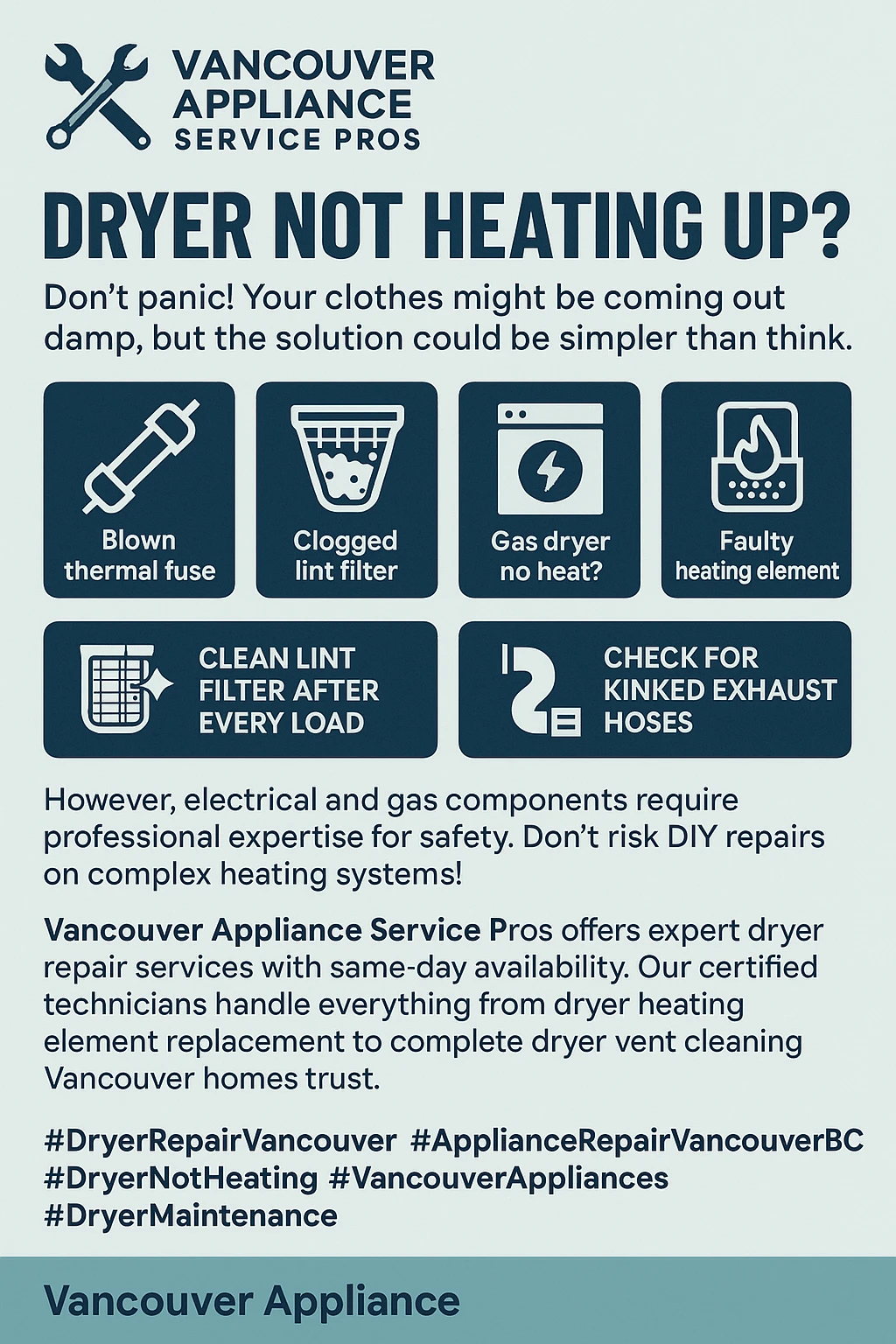
The thermal fuse is your dryer’s ultimate safety net—a small component that cuts power to the heating system when temperatures get dangerously high. Think of it as a sacrificial protector that destroys itself to save your home from fire. When this fuse blows, your dryer will still tumble clothes but won’t produce any heat whatsoever. You’ll typically find the thermal fuse mounted on the blower housing or near the heat source. Testing it requires a simple multimeter check for continuity—if the meter reads infinite resistance, your fuse has blown and needs replacement. The fuse itself costs under twenty dollars, but here’s the crucial part: if your thermal fuse blew, something caused it to overheat, usually a clogged exhaust vent. Before you replace a blown thermal fuse, take time to clean your entire exhaust system from the dryer to the outside vent. Otherwise, you’ll just be replacing fuses repeatedly without solving the underlying problem. Professional technicians in Vancouver see this issue frequently, especially in homes where vent cleaning has been neglected for years.
Faulty Heating Element
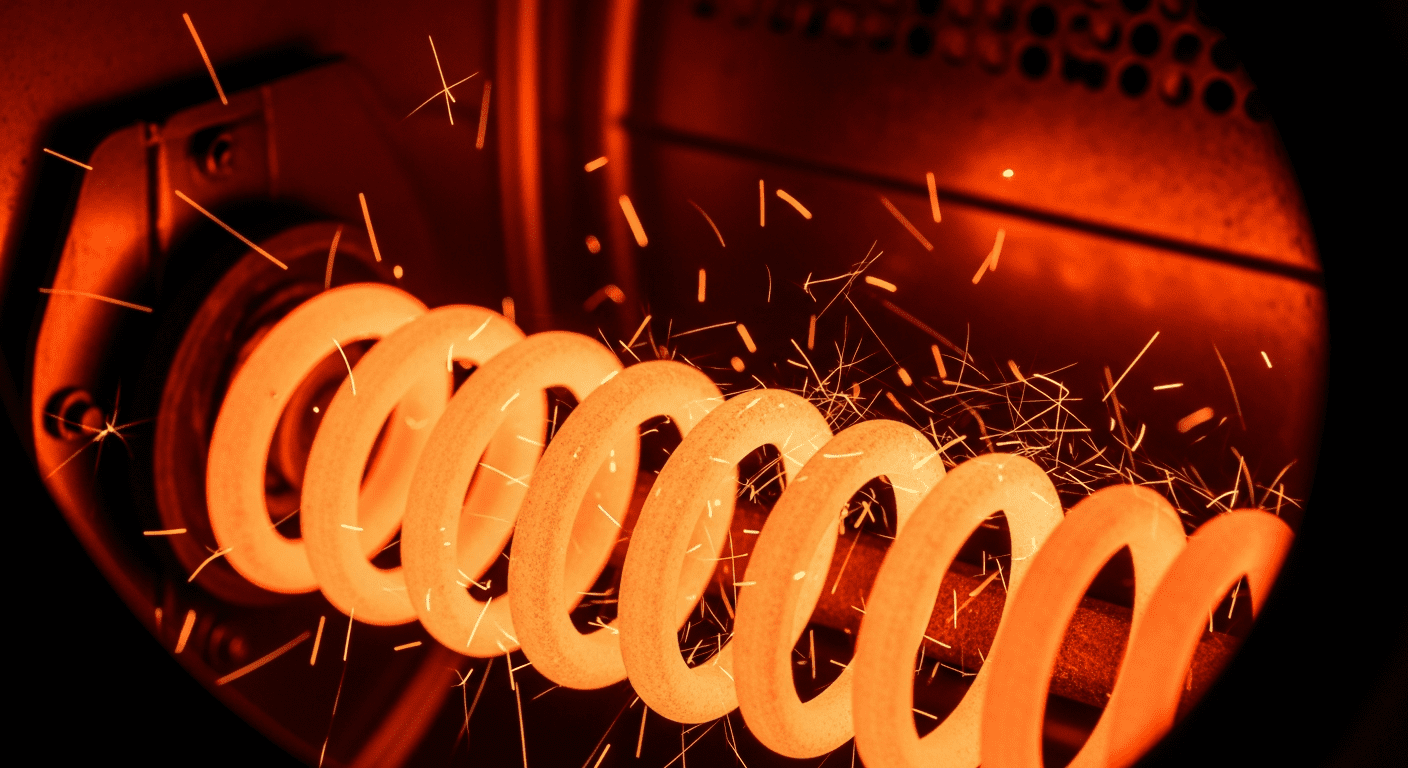
Electric dryers depend on heating elements that look remarkably similar to the coils in your toaster. These metal elements expand and contract thousands of times over their lifespan, eventually developing breaks or burning out completely. When a heating element fails, you’ll get the same symptom as a blown thermal fuse—tumbling without heat. Testing a heating element requires disconnecting power and removing panels to access the component. A visual inspection often reveals obvious breaks or burn marks, but a multimeter test for continuity provides definitive diagnosis. Replacing a heating element isn’t rocket science, but it does require basic mechanical skills and comfort working with electrical components. The heating element assembly typically costs between fifty and one hundred fifty dollars depending on your dryer model. Labor for professional installation usually runs another hundred to two hundred dollars. While this might seem expensive, it’s still far cheaper than replacing your entire dryer, especially considering most heating elements last eight to twelve years with proper maintenance.
Gas Valve Solenoid Problems
Gas dryers use electromagnetic solenoids to control gas flow to the burner assembly. These solenoids work in pairs—when your dryer calls for heat, both solenoids must activate simultaneously to allow gas flow. If either solenoid fails, no gas reaches the burner, resulting in no heat production despite normal operation otherwise. Diagnosing solenoid failure requires observing the igniter behavior during a heating cycle. A functioning igniter should glow bright orange for thirty to sixty seconds, then ignite the gas with a visible flame. If the igniter glows repeatedly without ever lighting gas, suspect failed solenoids. This pattern occurs because the igniter keeps trying to light gas that never arrives. Replacing gas valve solenoids involves disconnecting the gas supply and removing the valve assembly—definitely a job for experienced DIYers or professionals. The solenoids themselves cost around forty to eighty dollars, but the safety implications of working with gas appliances make professional repair worth considering for most homeowners.
Defective Igniter
The igniter in gas dryers serves the same function as a pilot light in older appliances—it provides the initial flame to ignite the gas. Modern igniters use a hot surface ignition system rather than an open flame, but they can crack or burn out over time, especially with frequent cycling. A failing igniter often shows subtle warning signs before complete failure. You might notice longer than usual heating cycles, intermittent heat production, or the igniter glowing dimly instead of bright orange. Complete igniter failure results in no heat whatsoever, though the dryer continues tumbling normally. Igniter replacement requires removing the front panel and burner assembly to access the component. Most igniters mount with two screws and a wire harness connector, making replacement relatively straightforward. New igniters cost thirty to seventy dollars and typically last five to ten years depending on usage frequency.
Clogged Exhaust Ventilation
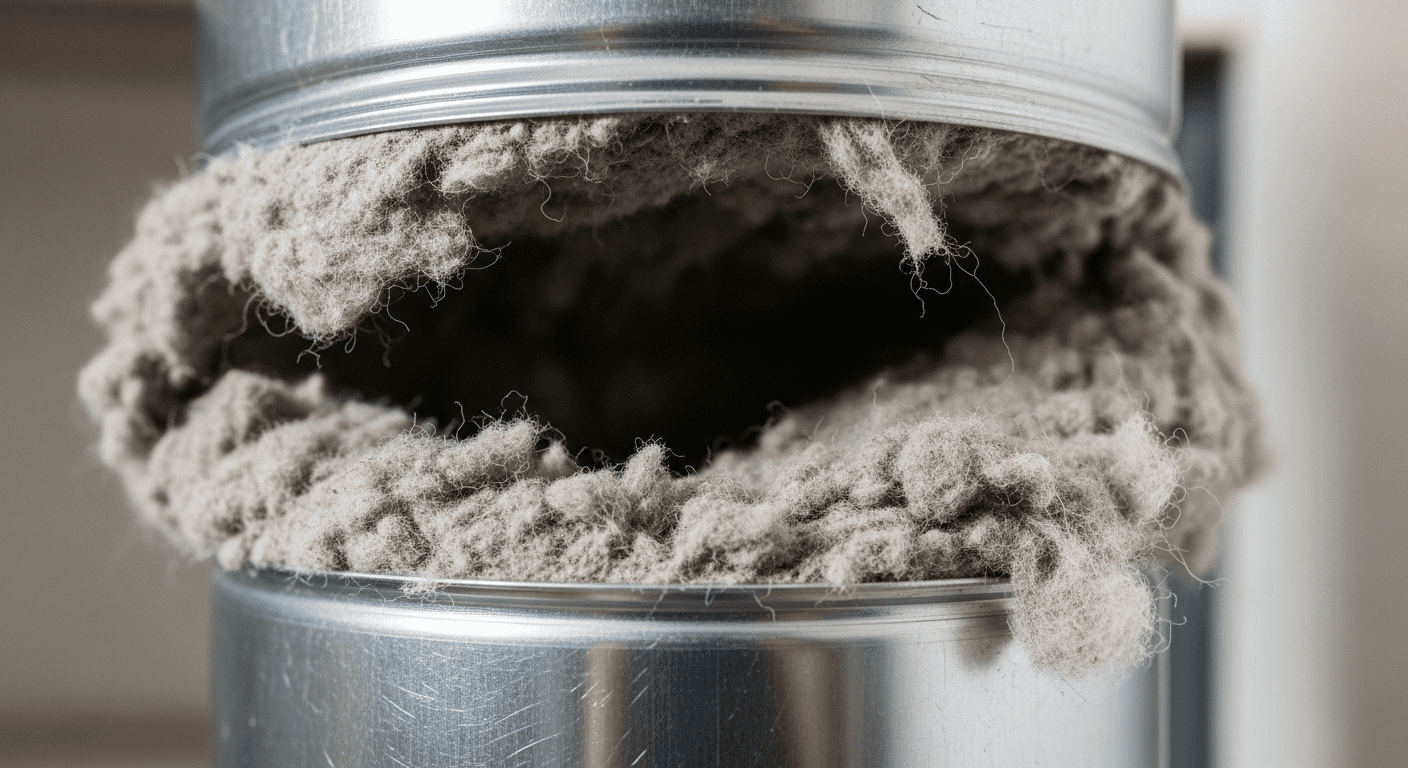
Here’s the sneaky culprit that causes more dryer problems than any other single issue: restricted airflow due to lint buildup in the exhaust system. Even a partially blocked vent can cause overheating, thermal fuse failure, and dramatically reduced drying efficiency. Many homeowners in Richmond and Burnaby don’t realize their vent systems extend far beyond the dryer itself. Symptoms of vent blockage include clothes taking much longer to dry, the dryer feeling exceptionally hot during operation, and lint accumulation around the outside vent opening. You might also notice the laundry room becoming humid and warm during drying cycles—a clear sign that moist air isn’t escaping properly. Cleaning dryer vents involves disconnecting the vent hose from your dryer and using specialized brushes to remove lint buildup throughout the entire duct system. Professional vent cleaning services charge one hundred to three hundred dollars depending on vent length and accessibility, but this maintenance prevents far more expensive repairs and potential fire hazards.
Malfunctioning Thermostats
Dryers use multiple thermostats to regulate temperature and ensure safe operation. The cycling thermostat controls normal temperature fluctuations during drying, while the high-limit thermostat acts as a safety backup to prevent overheating. When these thermostats malfunction, they can prevent heating or cause temperature control problems. Thermostat failure often creates confusing symptoms that seem intermittent or temperature-related. Your dryer might heat normally on some cycles but fail on others, or it might shut off heating prematurely during long cycles. These irregular patterns distinguish thermostat problems from more obvious failures like blown fuses or broken heating elements. Testing thermostats requires a multimeter and understanding of their normal operating parameters. Each thermostat type has specific resistance values and switching temperatures that indicate proper function. Replacement thermostats cost fifteen to forty dollars each, but accessing them often requires significant disassembly of your dryer’s internal components.
Control Board Failures
Modern dryers rely on electronic control boards to coordinate heating, timing, and safety functions. When these boards fail, symptoms can range from complete heating failure to erratic temperature control or premature cycle termination. Control board problems are less common than mechanical failures but tend to affect newer, more complex dryer models. Diagnosing control board issues requires process of elimination—ruling out all mechanical causes before suspecting electronic problems. Professional technicians use diagnostic procedures and voltage measurements to confirm board failure, as visual inspection rarely reveals electronic component problems. Control board replacement costs vary dramatically by dryer model, ranging from one hundred fifty dollars for basic models to over four hundred dollars for high-end units. Given the complexity of diagnosis and installation, control board replacement almost always justifies professional service, especially considering the potential for misdiagnosis.
Quick Diagnostic Steps You Can Try
 Before calling for professional help, several diagnostic steps can help identify the problem and potentially save you a service call. These troubleshooting techniques are safe for most homeowners and require only basic tools and observation skills. Start by checking the obvious culprits—lint filter cleanliness, circuit breaker position, and exhaust vent airflow. Run your dryer on a timed heat cycle while monitoring the outside vent for warm air flow. If little or no air emerges from the outside vent, suspect a blockage somewhere in the exhaust system. For gas dryers, observe the igniter behavior through the front panel or lint filter opening during startup. The igniter should glow bright orange within two minutes of starting a heated cycle. If the igniter glows but never ignites gas, or if it doesn’t glow at all, you’ve narrowed down the problem significantly. Electric dryer troubleshooting involves testing the thermal fuse with a multimeter if you’re comfortable with basic electrical work. The thermal fuse should show continuity when tested—infinite resistance indicates a blown fuse that needs replacement. Always disconnect power before attempting any electrical tests or component removal.
When Professional Help Makes Sense
 While many dryer heating problems are DIY-friendly, certain situations definitely warrant professional intervention. Understanding when to call for help can prevent injury, additional damage, and frustration from attempting repairs beyond your skill level. Gas-related problems should almost always involve professional service due to safety implications. Working with gas appliances requires understanding of proper procedures, leak detection, and combustion safety. The potential consequences of mistakes—gas leaks, carbon monoxide, or fire—far outweigh any savings from DIY repair attempts. Repeated component failures often indicate underlying problems that require professional diagnosis. If you’ve replaced a thermal fuse or heating element only to have it fail again quickly, something else is causing premature failure. Professional technicians have diagnostic tools and experience to identify root causes rather than just replacing symptoms. Complex disassembly or electrical work may exceed typical homeowner capabilities. If accessing a component requires removing multiple panels, disconnecting numerous wires, or working in cramped spaces, professional service often proves more efficient and reliable than struggling through unfamiliar procedures.
Frequently Asked Questions
Why does my dryer take forever to dry clothes even though it seems to be heating?
This frustrating problem almost always points to airflow restriction rather than heating failure. Even when your dryer produces heat, blocked vents prevent hot, moist air from escaping efficiently, dramatically extending drying times. Check your exhaust vent for lint buildup, kinks in the vent hose, or blockages at the exterior vent opening. Professional vent cleaning resolves most extended drying time complaints, especially in Vancouver area homes where lint buildup accumulates over many months of use.
Is it safe to run my dryer if the thermal fuse keeps blowing?
Absolutely not—repeatedly blown thermal fuses indicate dangerous overheating conditions that could lead to fire. The thermal fuse exists specifically to prevent fires by cutting power when temperatures exceed safe limits. Continuing to replace blown fuses without addressing the underlying cause puts your home at serious risk. Clean your entire exhaust system thoroughly before replacing any blown thermal fuse, and consider professional service if the problem persists.
How much should I expect to pay for professional dryer heating repair?
Professional dryer heating repair typically costs between one hundred fifty and three hundred dollars in the Vancouver area, depending on the specific problem and parts required. Simple fixes like thermal fuse or thermostat replacement fall toward the lower end, while heating element or control board replacement costs more. Compare this to six hundred to twelve hundred dollars for a new dryer—repair usually makes financial sense unless your dryer is very old or has multiple major problems.
Can I fix a gas dryer igniter problem myself?
Gas dryer igniter replacement is technically possible for experienced DIYers, but safety considerations make professional service advisable for most homeowners. The repair involves working near gas connections and requires proper testing to ensure safe operation afterward. While the igniter itself costs only thirty to seventy dollars, improper installation could create dangerous gas leaks or combustion problems that far outweigh any savings from DIY repair. In British Columbia, all Gas appliance repairs MUST be performed by a technician that’s licensed and accredited by TechSafeBC (which we are). Gas leaks can lead to fires and in some cases even explosions. As such, it’s the best call to have a licensed professional handle even minor repairs from a safety standpoint, no matter how simple or straight-forward it might seem to DIY.
Wrapping Up
Dryer heating problems might seem intimidating at first, but most have straightforward solutions that don’t require replacing your entire appliance. Whether you’re dealing with a blown thermal fuse, clogged vents, or failing heating elements, understanding these common issues helps you make informed decisions about repair versus replacement. Regular maintenance like cleaning lint filters and exhaust vents prevents many problems before they start, saving both money and frustration. When you need professional dryer repair in Vancouver, Vancouver Appliance Service Pros provides expert diagnosis and repair throughout the Lower Mainland, including specialized service in Kitsilano, Richmond, and Burnaby neighborhoods. Our experienced technicians carry common parts and diagnostic equipment to resolve most heating problems in a single visit, getting your laundry routine back to normal quickly and affordably.