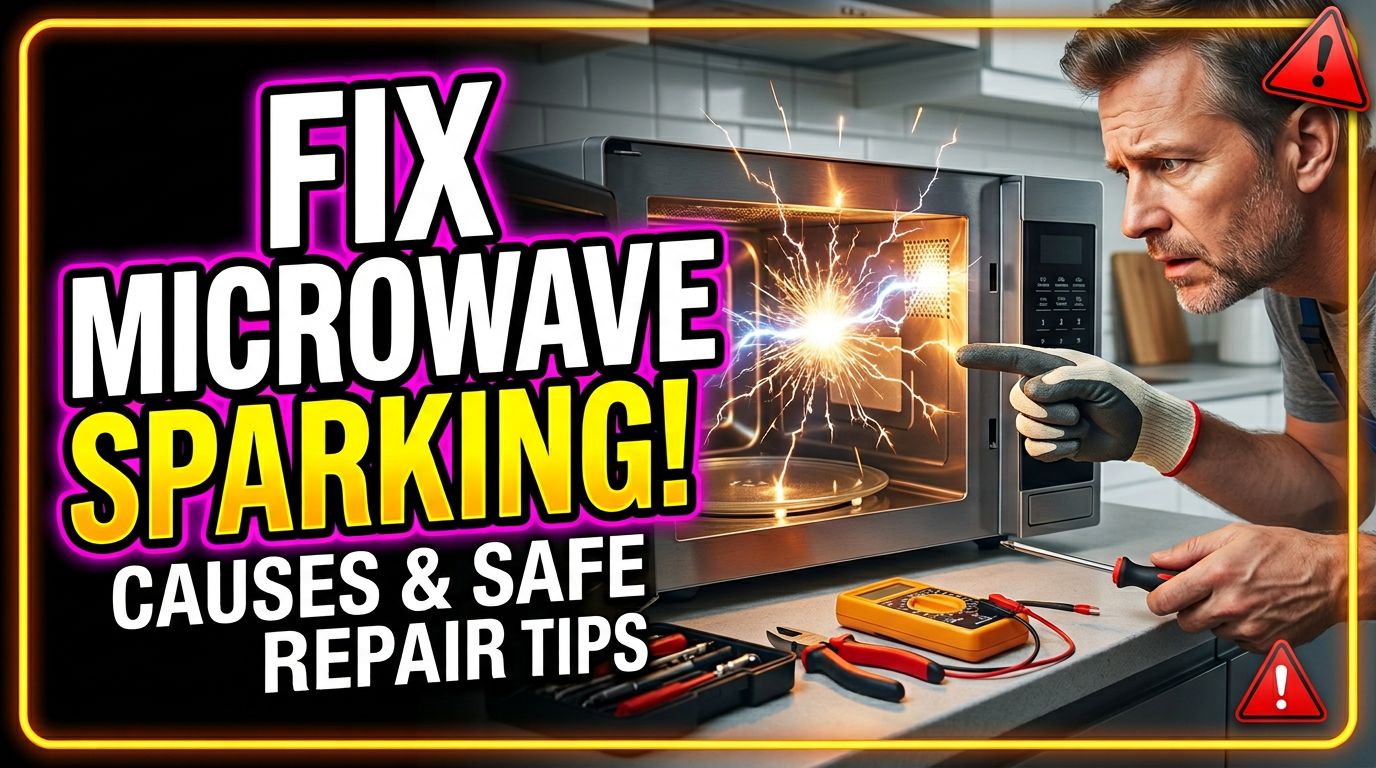
Dealing with a microwave that’s sparking inside? No problem – we’ll cover some of the most common problems that can cause this issue, and what you can do about them from the comfort of your home. Picture this: you’re heating up last night’s leftovers, and suddenly your microwave starts putting on its own little light show. Sparks flying everywhere, crackling sounds, maybe even a burning smell. Honestly, the first time I saw this happen in my Kitsilano apartment, I thought my microwave was about to explode! 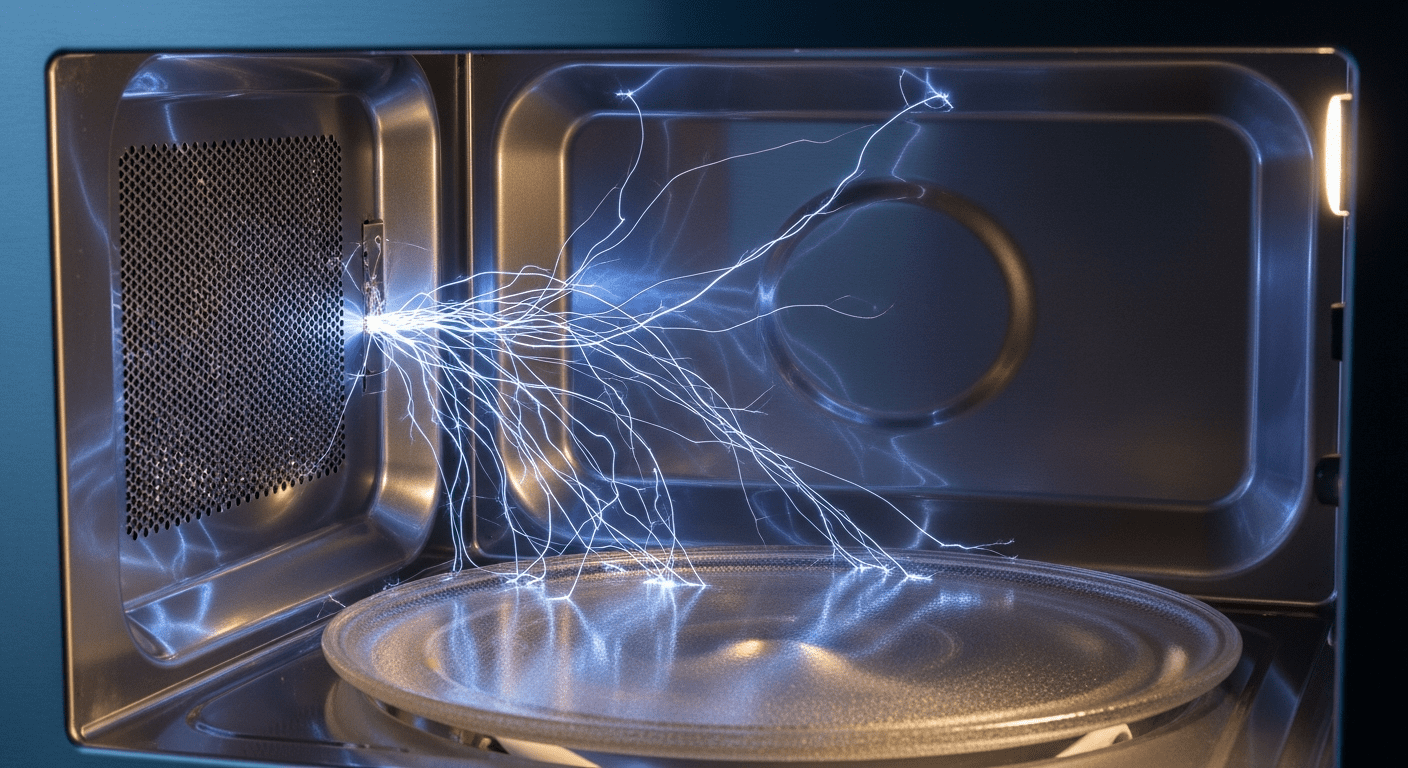 But here’s the thing – microwave sparking is way more common than you’d think, and it’s usually not as scary as it looks. Most of the time, those dramatic sparks (which pros call “arcing”) happen because something’s interrupting the normal flow of microwaves inside your appliance. Think of it like traffic getting backed up on the Lions Gate Bridge – when the usual path is blocked, things get messy fast.
Key Outtakes:
- Metal objects are the #1 cause of microwave sparking and should be removed immediately
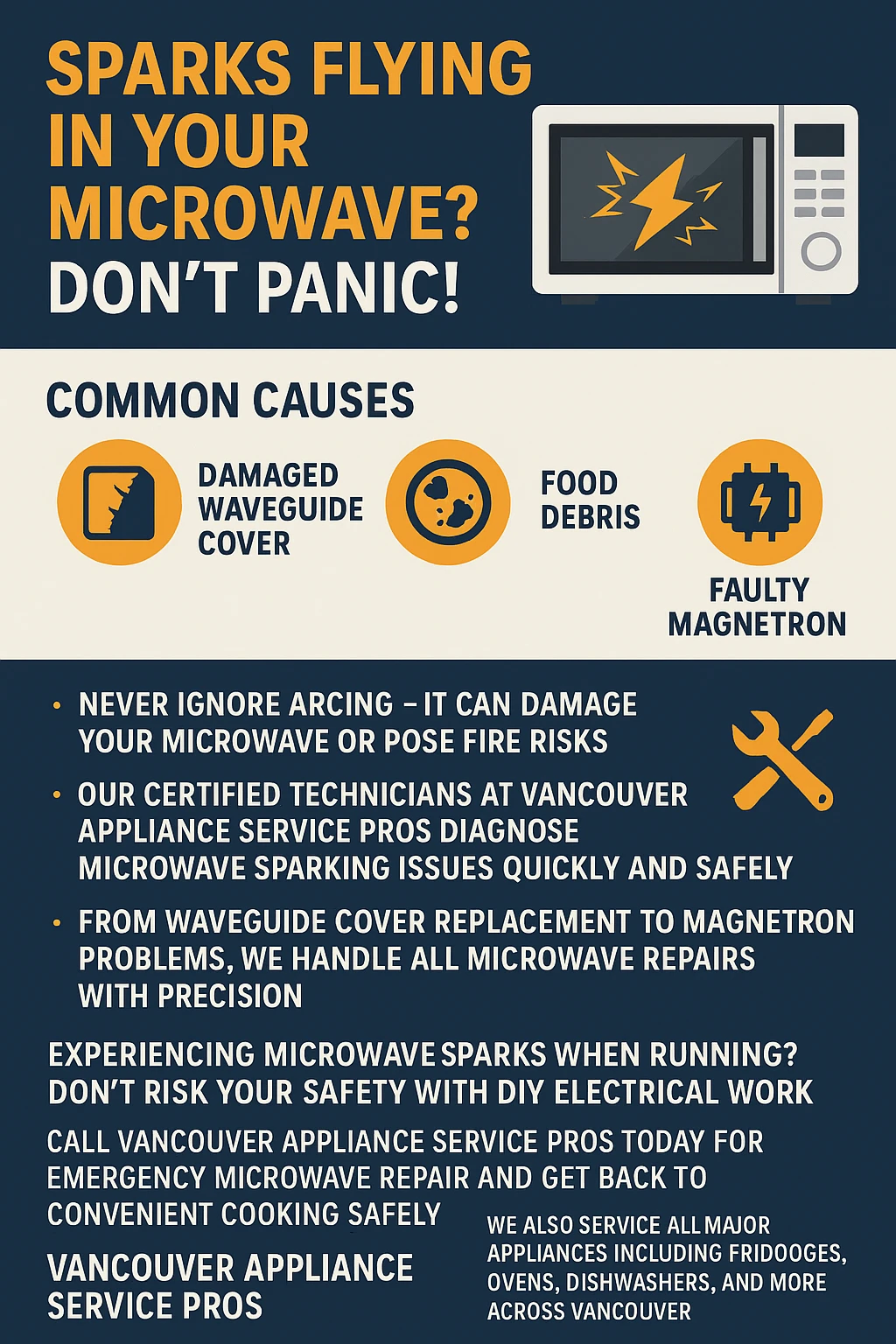
- A damaged or dirty waveguide cover can create sparks even without metal present
- Chipped interior paint exposes metal underneath, creating electrical discharge points
- Faulty door switches and diodes can cause serious sparking that requires professional repair
- Regular cleaning and gentle handling can prevent most sparking issues from developing
Understanding Why Your Microwave Sparks
When your microwave starts sparking, it’s basically an electrical tantrum. Microwaves work by bouncing electromagnetic waves around inside that metal box, and these waves need a clear path to do their job properly. When something gets in the way – whether it’s a forgotten fork or a damaged component – those microwaves can’t flow normally. The sparks you see are actually electrical arcs jumping between different surfaces. It’s the same principle as lightning, just on a much smaller scale. The microwave’s magnetron is pumping out serious electrical energy, and when that energy can’t follow its intended path, it finds the shortest route possible – often creating those dramatic light shows we’ve all witnessed. This is why microwave sparking always demands immediate attention. Those sparks aren’t just for show – they can damage your magnetron (the expensive part that generates the microwaves), create fire hazards, or even pose electrocution risks in severe cases.
Metal: The Usual Suspect
Let me tell you about the time my neighbor in Mount Pleasant called me over because her “brand new” microwave was “defective.” Turns out, she’d been microwaving her takeout containers without removing the metal handles from the paper bags. Metal and microwaves are like oil and water – they absolutely do not mix. 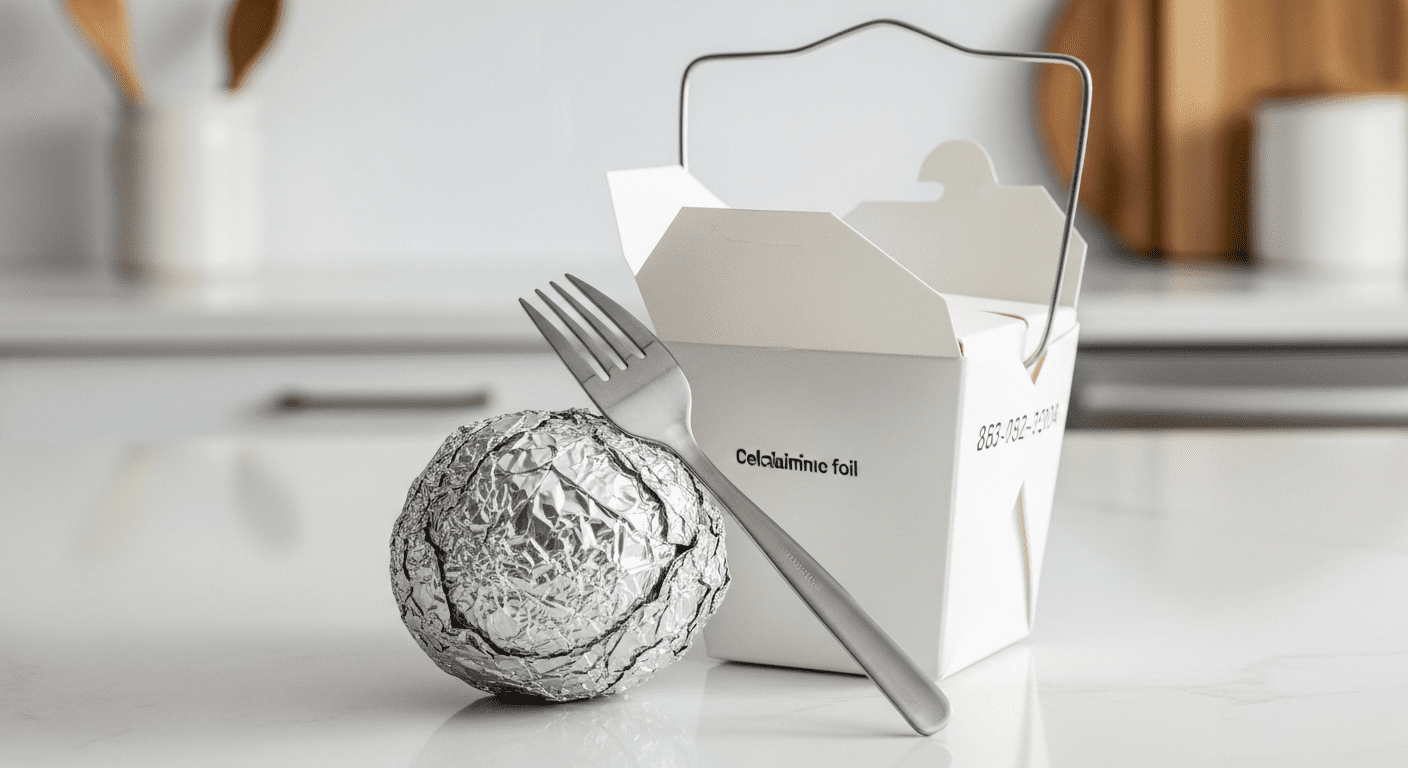 Metal reflects microwaves instead of absorbing them, which creates concentrated areas of electrical energy. These hot spots build up until they have enough power to jump through the air, creating those scary sparks. Even tiny amounts of metal can cause problems – I’m talking about twist ties, staples, or that sneaky bit of aluminum foil clinging to your leftovers. Common metal culprits include aluminum foil (even small pieces), metal utensils, containers with metallic trim, twist ties, and even some fancy dishes with gold or silver decorative elements. Before you panic about expensive repairs, always check for metal first. Remove any suspicious items, run a test with just a microwave-safe mug of water for 30 seconds, and see if the sparking stops. The good news is that if metal was your problem, removing it usually solves everything instantly. Just remember to double-check your containers before hitting start – it’s become such a habit for me that my friends tease me about my “metal detector” routine before using any microwave.
Waveguide Cover Issues
Now, if you’ve ruled out metal and your microwave is still throwing sparks, let’s talk about the waveguide cover. This little component might not look like much, but it’s basically the bodyguard for your microwave’s most important parts. Most people in Vancouver don’t even know this thing exists until it starts causing problems. The waveguide cover is usually a small, rectangular panel made of mica or plastic that sits somewhere on the interior walls of your microwave. Its job is protecting the waveguide opening – that’s where the microwaves actually enter the cooking chamber from the magnetron. When food splatters, grease, or steam build up on this cover, or when it gets damaged, it can start causing electrical problems. I learned this the hard way when my microwave in Burnaby started sparking after I’d been reheating a lot of saucy pasta dishes without covering them. The waveguide cover had gotten coated with dried sauce, which was interfering with the microwave flow. Sometimes you can clean a dirty cover with a damp cloth and mild detergent, but if it’s cracked, burned, or has holes, it needs replacement.
Replacing a Damaged Waveguide Cover
Replacing a waveguide cover is actually one of the easier microwave repairs you can tackle yourself. First, unplug your microwave and locate the cover – it’s often on the right side or top of the interior. Most covers are held in place by a couple of screws or simply slide out. You can find replacement covers online by searching your microwave’s model number plus “waveguide cover.” They’re usually pretty affordable, often under $20. Just make sure you get the right size, or buy a universal one that you can trim to fit. The installation is typically just the reverse of removal – slide the new cover in place and secure with screws if needed.
Chipped Interior Paint Problems
Moving from the waveguide cover, another sneaky cause of microwave sparking is chipped or damaged interior paint. This one catches a lot of people off guard because they’re not expecting paint issues to cause electrical problems. But here’s the thing – that interior coating isn’t just for looks. The inside of your microwave is essentially a metal box, and that smooth coating helps microwaves bounce around properly while protecting the metal underneath. When the coating chips or cracks, it exposes raw metal, which creates points where electrical discharge can occur. This often happens from normal wear and tear, using harsh cleaning products, or accidentally banging containers against the walls. If you spot chipped areas, you can actually repair them yourself with microwave-safe touch-up paint. Start by unplugging the microwave and cleaning the damaged area with isopropyl alcohol. Lightly sand the chipped spot to create a smooth surface, then apply the special paint with a small brush. Let it dry completely according to the manufacturer’s instructions before using your microwave again.
Preventing Paint Damage
The best way to deal with chipped paint is preventing it in the first place. Always use gentle, non-abrasive cleaners when cleaning your microwave interior. Avoid scouring pads or harsh chemicals that can damage the coating. When placing containers inside, be gentle – don’t bang them against the walls or door. Regular cleaning also helps prevent the buildup of food residue that can become carbonized and cause hot spots. A simple mixture of water and vinegar heated for a few minutes makes cleaning much easier, and the steam helps loosen stubborn spots without requiring aggressive scrubbing.
Door Switch and Diode Failures
While the previous issues are often DIY-friendly, door switch and diode problems venture into more serious territory. These components are part of your microwave’s safety and power systems, and when they fail, the sparking can be more dramatic and potentially dangerous. A faulty door switch can cause sparking because it’s not properly controlling when the magnetron operates. You might also notice a burning smell along with the sparks. Door switches are safety devices designed to ensure your microwave only runs when the door is securely closed, so problems here can create various electrical issues. Diode failures are even more concerning. The diode is part of the high-voltage system that powers the magnetron, and when it goes bad, it can cause serious electrical problems including dangerous sparking. These repairs involve working with high-voltage components that can seriously injure you, even when the microwave is unplugged.
When to Call a Professional
If you suspect door switch or diode issues, it’s time to call in a professional repair service. Working on these components requires special knowledge about safely discharging the high-voltage capacitor and handling dangerous electrical systems. Even experienced DIYers should think twice about tackling these repairs. Professional repairs for these issues typically cost between $100-200, which might seem steep, but it’s much less than replacing a microwave or dealing with electrical injuries. Plus, many repair experts recommend immediate professional attention when dealing with high-voltage sparking issues.
Preventive Care and Maintenance
After dealing with sparking microwaves across different neighborhoods in Vancouver, from False Creek to Richmond, I’ve learned that prevention really is worth a pound of cure. Most sparking issues develop gradually and can be avoided with some simple maintenance habits. 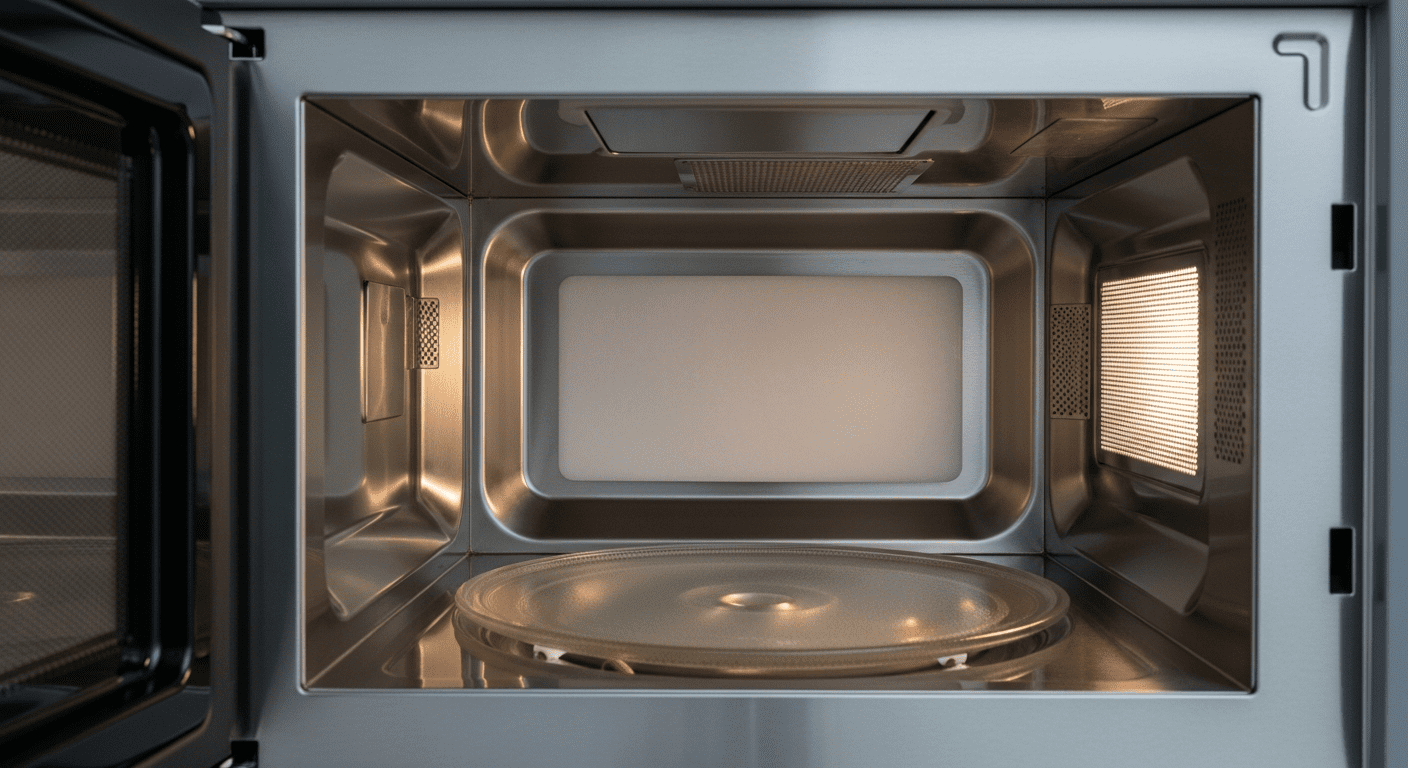 Regular cleaning is your first line of defense. Food particles and grease buildup create hot spots that can eventually cause sparking. I recommend wiping down the interior after messy heating sessions and doing a deeper clean weekly. The steam cleaning method works great – just microwave a bowl of water and vinegar for a couple minutes, then wipe everything down while it’s still warm. Always use microwave-safe containers and covers to prevent splattering. Those paper towels and microwave covers might seem unnecessary, but they’re protecting your appliance from the food residue that causes problems down the road. It’s especially important here in Vancouver where we love our diverse, often saucy cuisines that can really splatter.
Smart Usage Habits
Handle your microwave gently – avoid banging containers against the walls or slamming the door. These impacts can damage the interior coating or knock components out of alignment. When cleaning, use only mild detergents and soft cloths to protect the interior surfaces. Regular inspections can catch problems early. Take a quick look at the interior coating, waveguide cover, and door seals every month or so. If you spot any damage, address it promptly before it becomes a bigger issue. Small touch-ups are much easier and cheaper than major repairs or replacement.
Frequently Asked Questions
Is it safe to keep using a microwave that sparks occasionally?
No, you should stop using a sparking microwave immediately and identify the cause before continuing. Even small sparks can damage the magnetron or create fire hazards. The sparking indicates that electrical energy isn’t flowing properly, which can lead to more serious problems or safety risks. It’s always better to troubleshoot the issue first rather than risk damage to the appliance or potential safety hazards.
Can I fix a sparking microwave myself or do I need a professional?
It depends on the cause of the sparking. Simple issues like removing metal objects, cleaning or replacing a waveguide cover, or touching up chipped paint are generally safe DIY repairs. However, problems involving the door switch, diode, or magnetron require professional repair due to high-voltage components that can be dangerous even when the unit is unplugged. When in doubt, it’s safer to consult a qualified technician.
How much does it typically cost to repair a sparking microwave?
Repair costs vary depending on the issue and your location in the Vancouver area. Simple fixes like replacing a waveguide cover might cost $20-50 for parts if you do it yourself. Professional repairs for more serious issues like door switch or diode replacement typically range from $100-200 including labor and parts. Sometimes the repair cost approaches the price of a new microwave, so it’s worth getting a quote before deciding whether to repair or replace.
Wrapping Up
Microwave sparking might look dramatic, but it’s usually fixable with some basic troubleshooting and the right approach. Whether you’re dealing with a simple metal mishap or a more complex component failure, understanding the causes helps you make smart decisions about repairs versus replacement. Remember that safety always comes first – when in doubt, unplug the unit and consult a professional. At Vancouver Appliance Service Pros, we’ve helped countless homeowners across Burnaby, Richmond, and the greater Vancouver area solve their microwave sparking issues safely and affordably. Our experienced technicians can quickly diagnose the problem and provide honest recommendations about whether repair or replacement makes the most sense for your situation and budget.