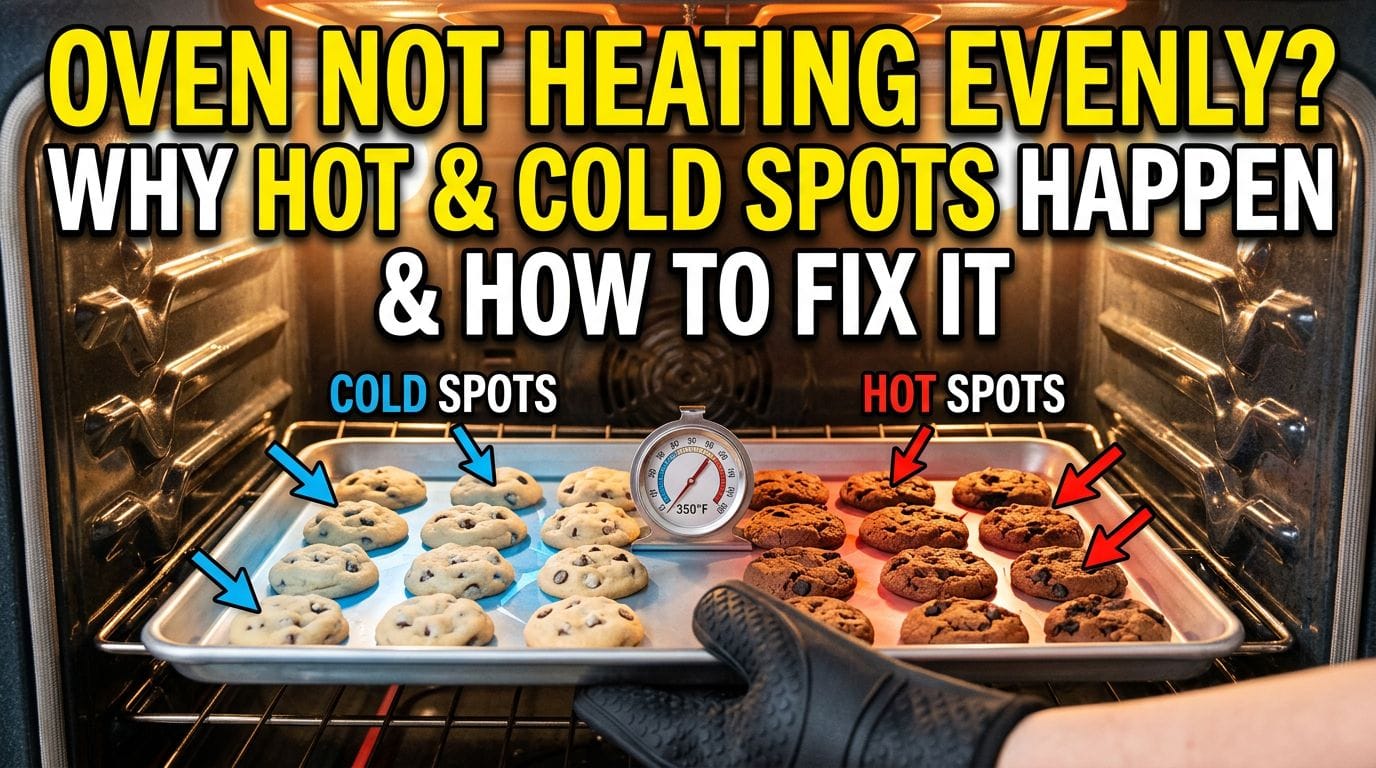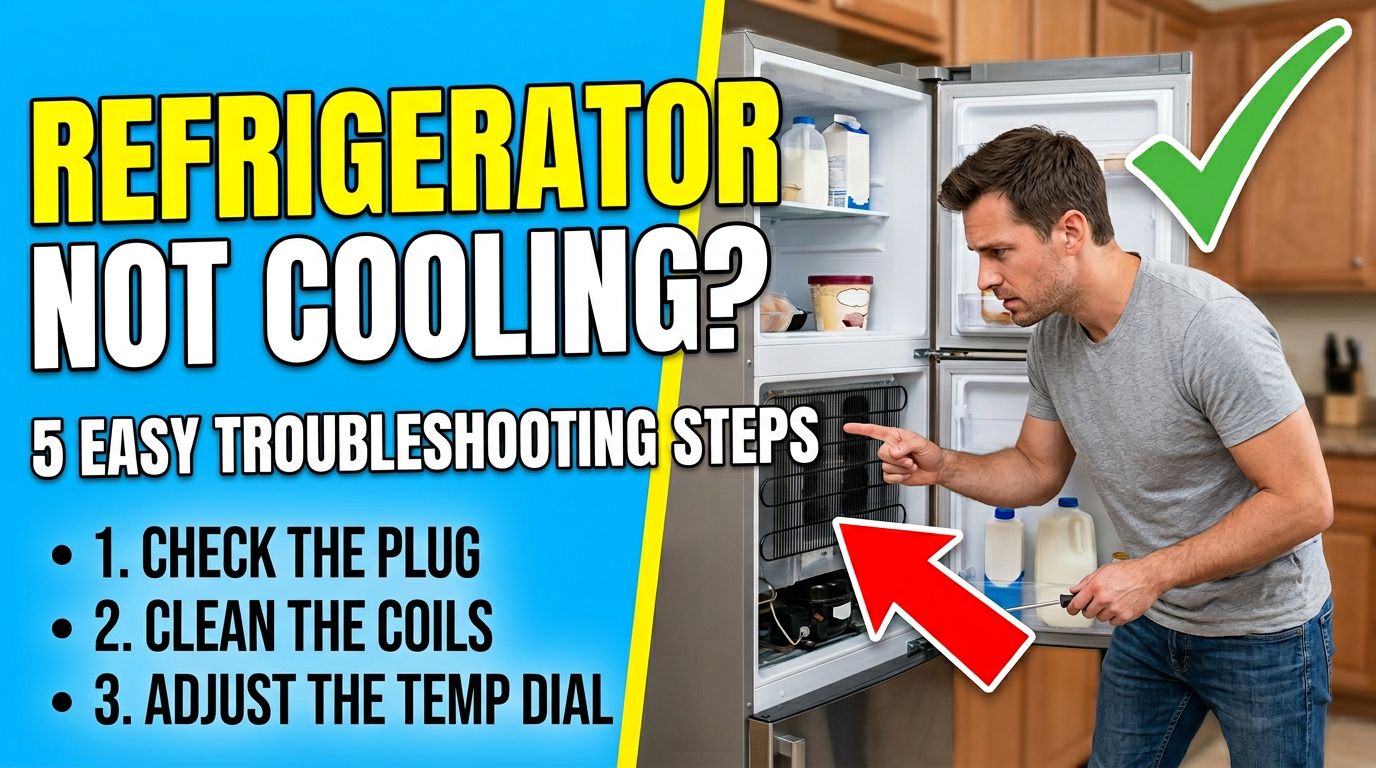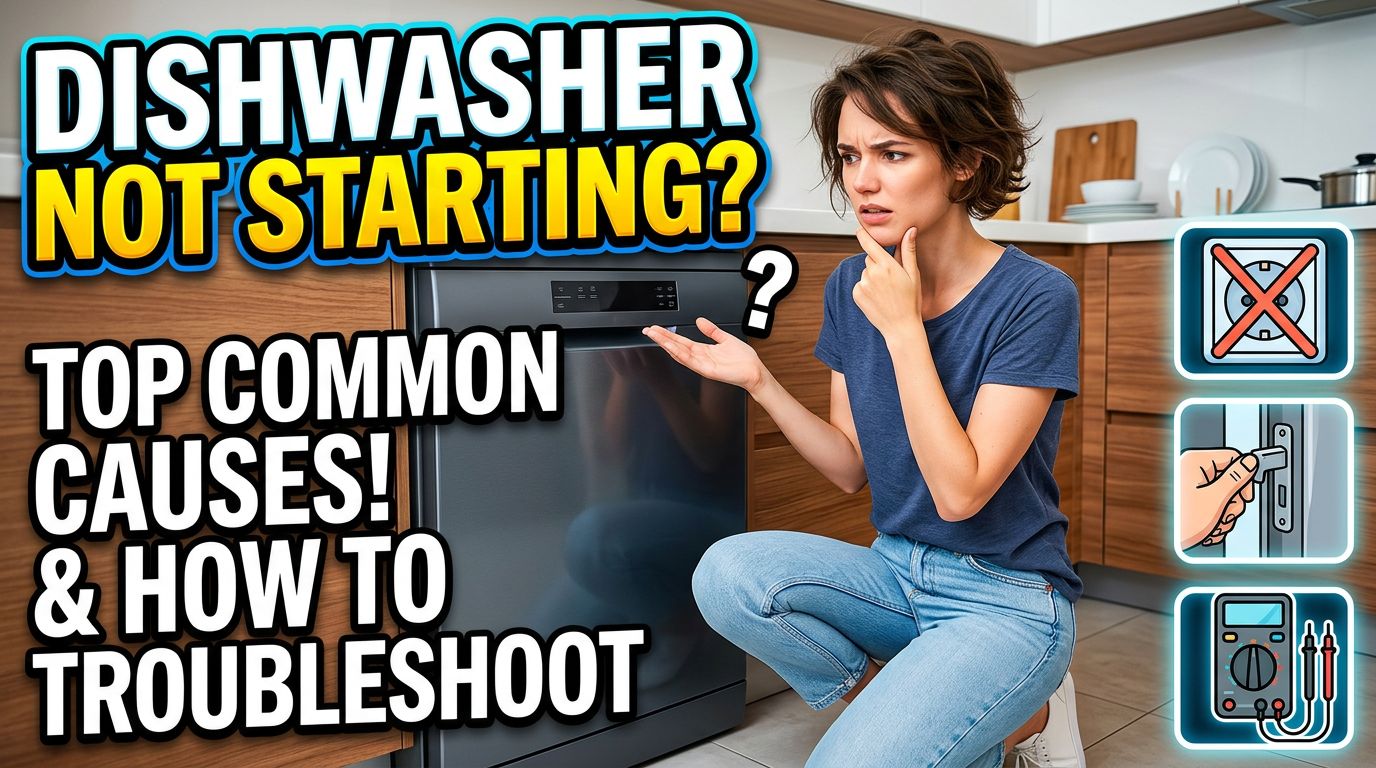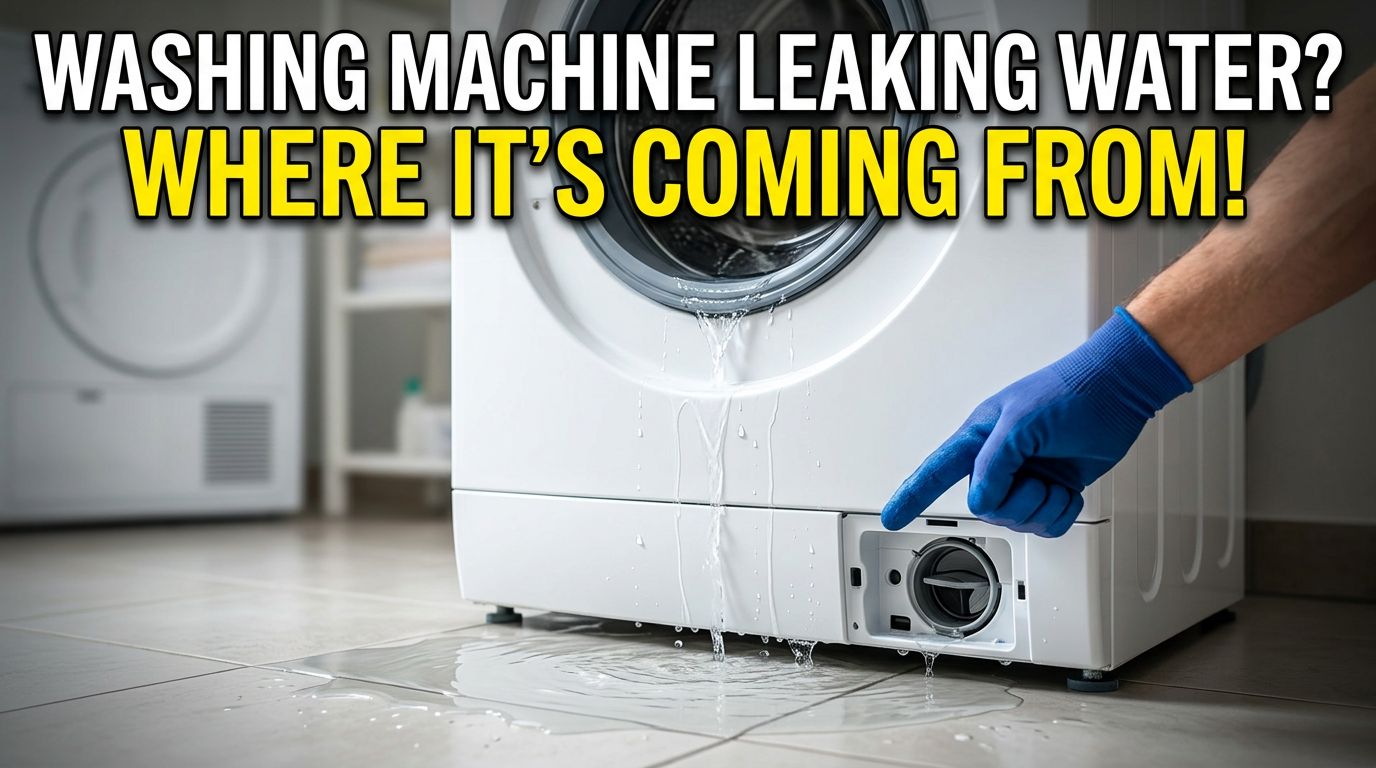
You set the oven to 375°F, followed the recipe exactly, and pulled out a pan where one side is golden brown and the other looks like it needs another 20 minutes — nobody wants to come home to that kind of guesswork every single night. This guide breaks down exactly why ovens develop hot and cold spots, what you can fix yourself today, and when it makes sense to call in a professional. Uneven oven heating is one of those problems that sneaks up on you. At first you think the recipe is off, or you left it in too long, or maybe you just had a bad baking day. Then it happens again. And again. At that point, it’s not the recipe — it’s the oven. At Vancouver Appliance Service Pros, we see this kind of thing constantly. Homeowners across Vancouver bring us into kitchens where the oven technically “works” but turns every bake into a coin flip. The good news is that most of the causes are well understood, and a lot of them are fixable without spending a fortune.
Key takeaways
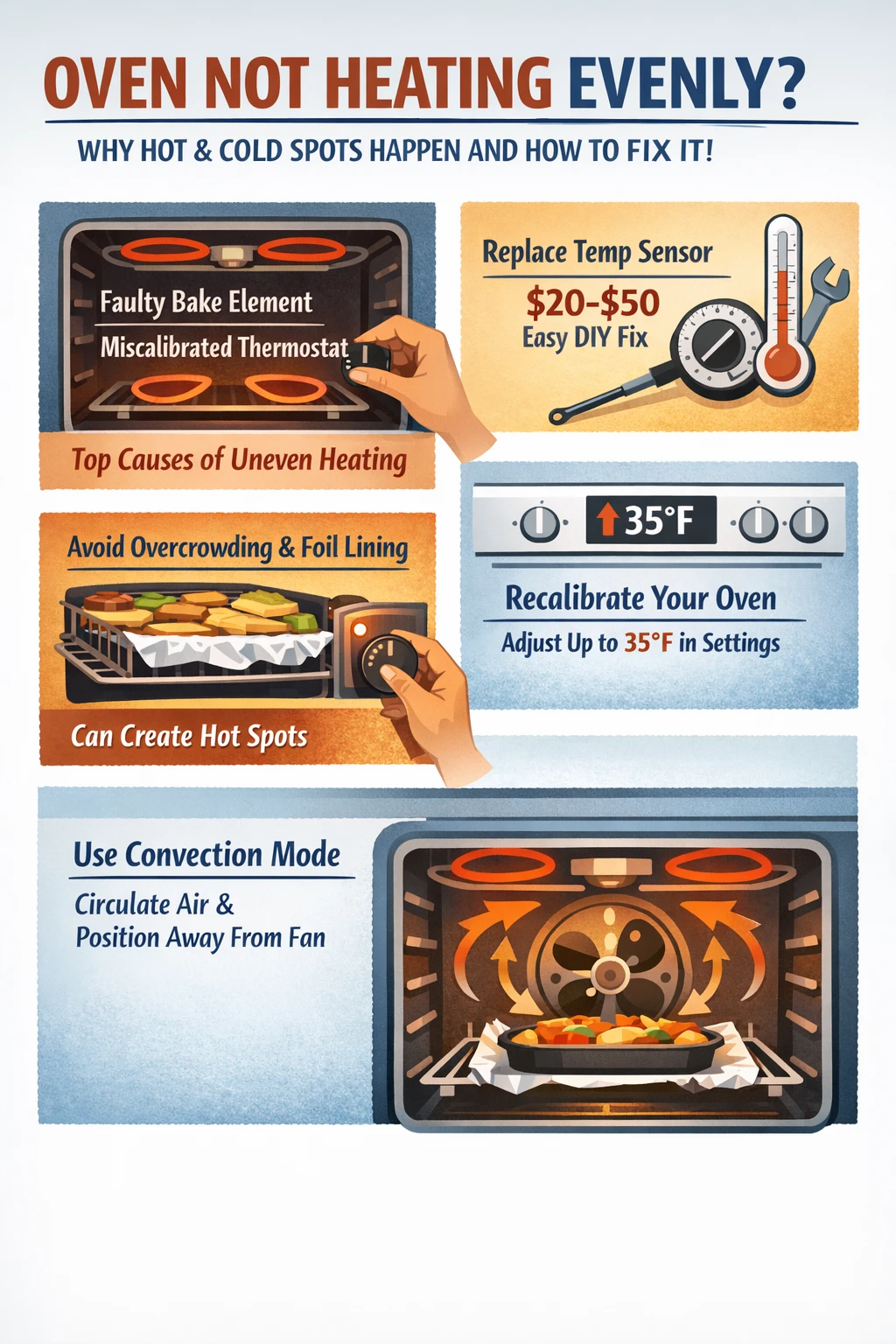
- A faulty bake element, miscalibrated thermostat, or damaged temperature sensor are the most common mechanical reasons an oven heats unevenly.
- Simple habits — like overcrowding racks, lining the bottom with foil, or opening the door repeatedly — can cause uneven results even in a perfectly functioning oven.
- Replacing a temperature sensor typically costs around $20-$50 for the part alone, making it one of the more affordable DIY repairs.
- The temperature sensor is usually located in the top right corner of the oven cavity and should sit at a 90-degree angle — even a slight shift can throw off readings.
- Convection mode circulates hot air with a fan and can dramatically reduce hot spots, but positioning your dish too close to the fan creates its own uneven results.
- If your oven runs consistently hotter or cooler than the display shows, most models allow thermostat recalibration of up to 35°F through the settings menu.
Why ovens heat unevenly in the first place
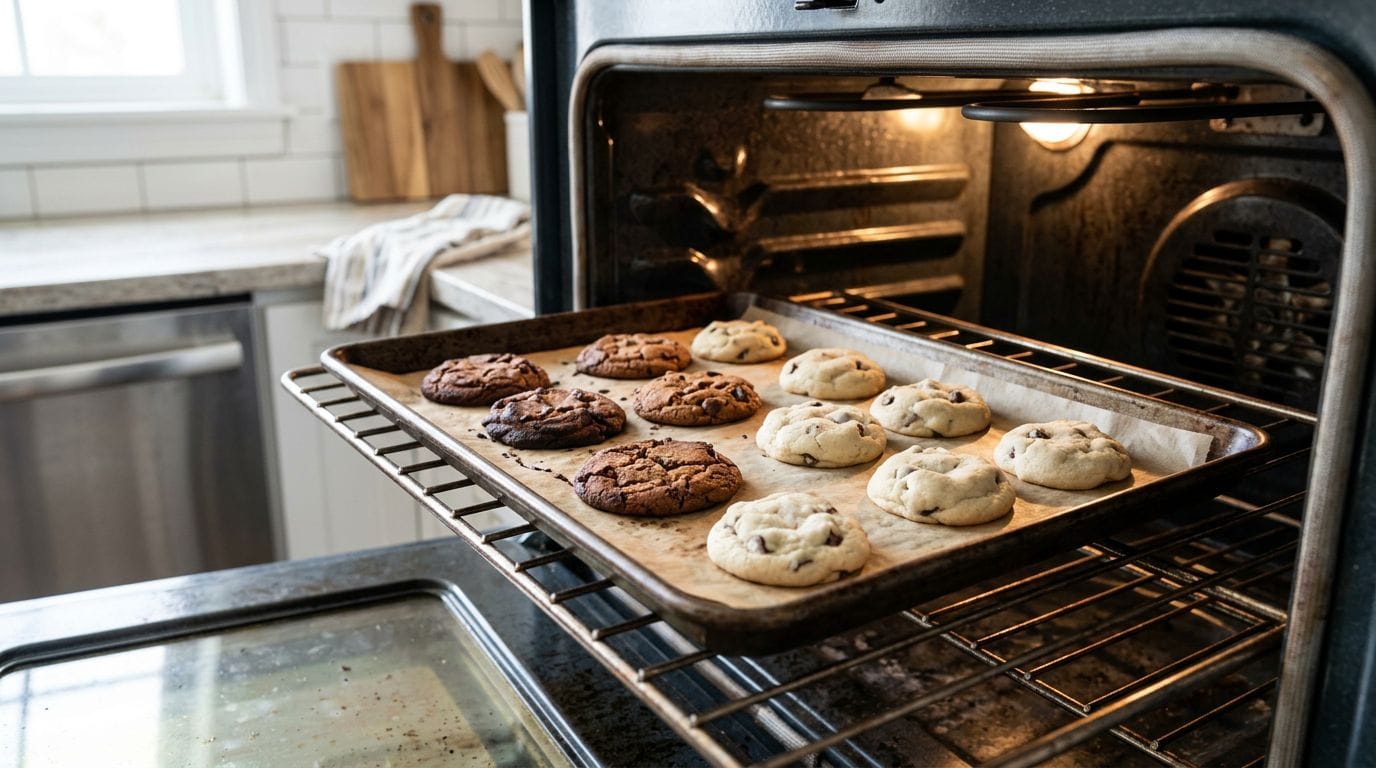 Ovens heat unevenly because the heat source — whether it’s an electric element or a gas burner — sits in one fixed location, usually the bottom. That heat has to travel, radiate, and circulate through the entire cavity to cook food evenly. Anything that disrupts that circulation creates hot and cold pockets. In a functioning oven, the thermostat, sensor, and airflow work together to manage this. When one part of that system slips, the balance falls apart. The back of most ovens runs hotter than the front because the heating elements sit toward the rear and more heat escapes through the door. This is normal to a degree. What’s not normal is a drastic temperature difference — like one half of a cookie sheet burning while the other half is still raw. That’s a sign something specific has gone wrong. In our experience, the problem is rarely one dramatic failure. More often it’s a combination of a slightly off-kilter sensor, an aging element that’s lost some output, and a few user habits that make an existing issue worse. Understanding which factors are at play helps you fix the right things.
The main causes of oven hot spots and cold spots
Let’s take a look at the most common culprits, starting with the ones you can check yourself right now. 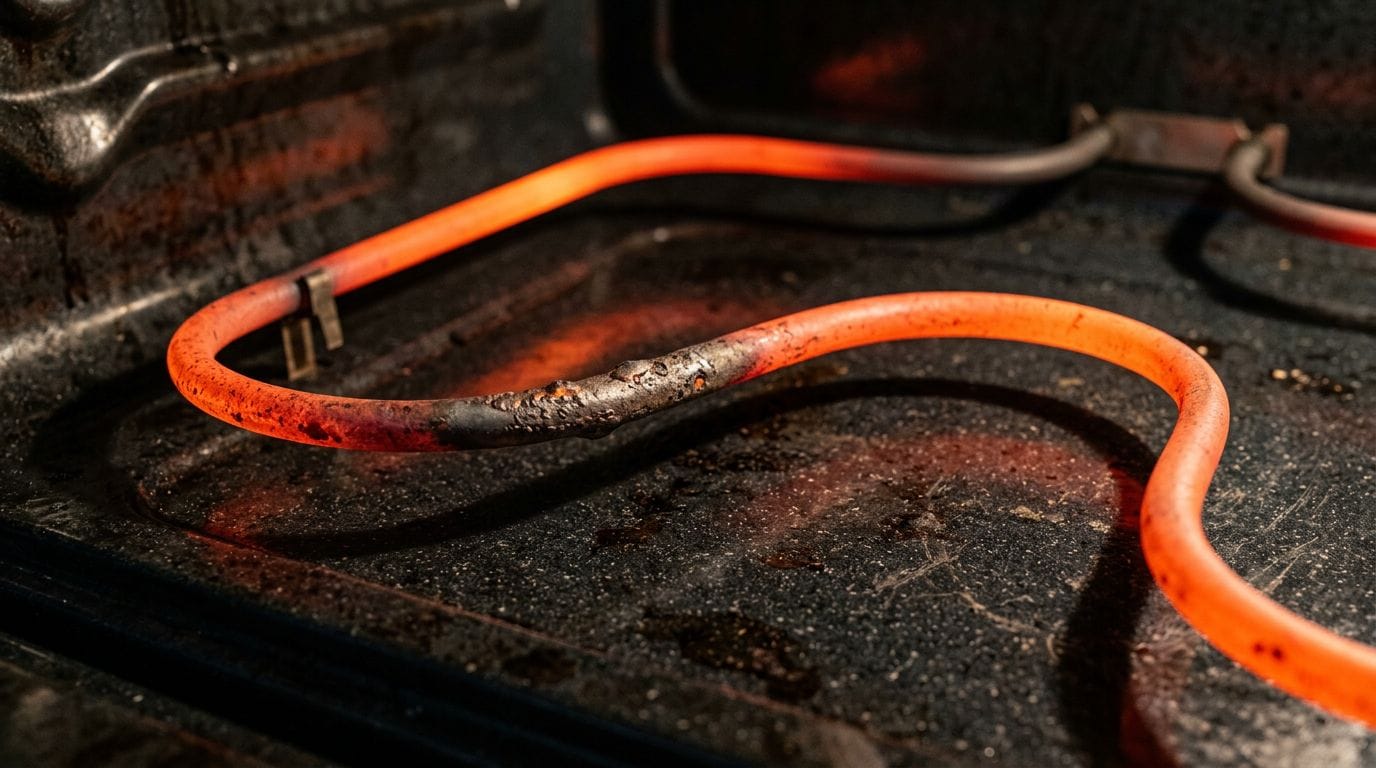
The heating element
In an electric oven, the bake element sits along the bottom and does most of the work. If it’s weakened, cracked, or partially burned out, it won’t produce consistent heat across its full length — which means one side of your oven gets more heat than the other. You can spot a failing bake element visually. Look for dark spots, blistering, or visible breaks along the element. A healthy element glows consistently red when the oven is running. An uneven or interrupted glow tells you something is wrong. A faulty bake element is one of the more common calls we get. The part itself is usually reasonable — often in the $30 to $80 range depending on your model — but installation involves working near electrical connections, so it’s worth deciding honestly whether this is a DIY job for you or one to hand off.
The temperature sensor
The temperature sensor is a thin metal probe, usually tucked into the top right corner of the oven cavity. It works with the control board to tell the oven when to cycle the heat on and off. If it’s sitting at the wrong angle, touching the oven wall, or starting to fail, it gives inaccurate readings — and the oven responds to those bad readings rather than the actual temperature inside. The fix is sometimes as simple as repositioning the sensor back to its proper 90-degree angle once the oven has cooled completely. If repositioning doesn’t help, you can test it with a multimeter. A working sensor’s resistance should rise as the oven heats up. If it stays flat, the sensor is bad and needs replacing. This is generally a $20-$50 part and a straightforward swap for someone comfortable with basic appliance work.
Thermostat calibration
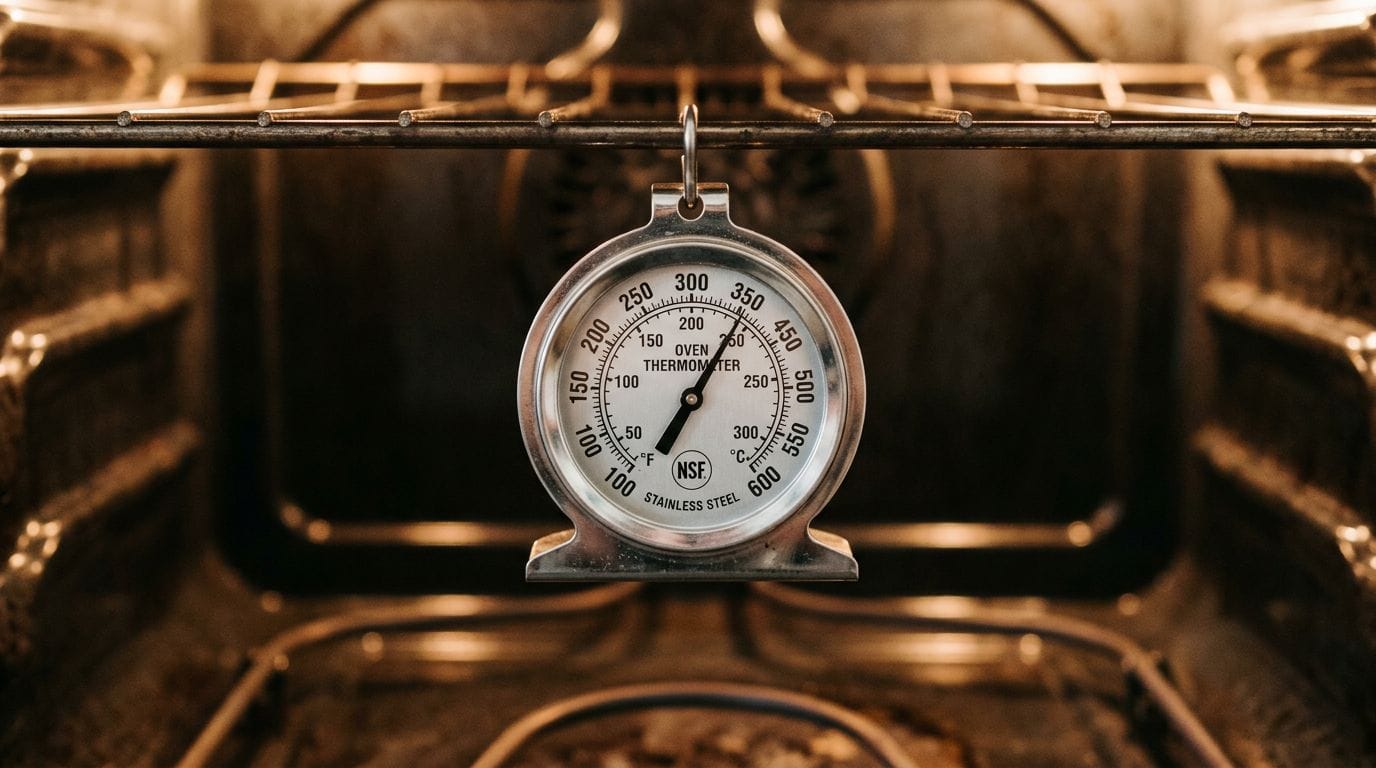
Your oven display says 350°F. Your oven thermometer says 310°F. That 40-degree gap is calibration drift, and it’s more common than most people realize. Most ovens, even fairly new ones, can run 15 to 25 degrees off their stated temperature at any given moment. When calibration is significantly off, you’ll see uneven results because the oven cycles its heat at the wrong times. Pick up a standalone oven thermometer — they run about $10 to $15 — and place it in the center of your oven. Let the oven fully preheat, then wait another 10 minutes before checking. Most people are surprised how far off their oven actually runs. If the gap is consistent, you can often adjust it yourself through the oven’s settings. Most models allow recalibration of up to 35°F. Check your manual for the exact process for your model.
Door seal problems
The gasket around your oven door creates a seal that keeps heat inside. Over time these seals stretch, harden, or pull away from the frame. A compromised seal lets heat leak out continuously, which creates cold spots near the door and forces the oven to work harder to maintain temperature. You can check yours by running your hand slowly around the door perimeter when the oven is hot — even a small amount of escaping heat is detectable. Replacement door seals are inexpensive. Depending on your oven brand, you can usually find them for $20 to $50. Some just press back into a channel, others require a few screws. Look up your model on YouTube before you start — someone has almost certainly done a video walkthrough for your exact oven.
Airflow restrictions
This one catches people off guard. Lining the bottom of your oven with foil to catch drips is a common habit, and it causes uneven heating almost every time. That foil blocks the heat from radiating upward the way it’s designed to. Similarly, overcrowding your oven racks blocks hot air from circulating around each dish. A general rule: leave at least two inches of clearance around every pan. The position of your oven also matters more than you might expect. An oven that’s sitting slightly unlevel can cause batter to pool to one side before it sets, which produces uneven results that look like a heating problem but aren’t one. A carpenter’s level takes about 30 seconds to check this. If your oven is off, adjust the leveling legs until it’s flat.
When convection makes things better (and when it doesn’t)
Convection ovens add a fan that circulates hot air around the oven cavity. In theory, this solves the hot-spot problem by keeping the air moving rather than letting it stratify. In practice, it helps a lot — but it introduces its own quirks worth knowing about. Convection is great for roasting, crisping, and cooking on multiple racks at once. The circulating air browns food more evenly and often faster. But if your dish sits too close to the fan (usually positioned at the back of the oven), the blast of air hits one side of the food harder than the other. That creates a different kind of uneven result. Position convection-cooked dishes toward the center of the oven, with clearance on all sides, and you’ll get much better results. Some ovens offer “true convection” or “European convection” — these add a third heating element around the fan itself, so the circulating air is already hot rather than just moving ambient heat around. If you’re shopping for a new oven and even baking matters to you, this is worth looking for. Ovens with this feature tend to start around $700 and up. If your convection fan is running but your oven still heats unevenly, the fan motor itself may be underperforming. A motor that doesn’t turn freely or runs at reduced speed won’t circulate air properly. This is a repair best left to a technician.
What you can do right now without any tools
 Some of the most effective fixes for oven not heating evenly don’t require a single repair. They’re just better habits. Stop opening the oven door during baking. Every time you open it, you dump a wave of cold air into the cavity and the temperature drops. That recovery time throws off your cook. Use the interior light and window to check on things instead. Let your oven fully preheat. Most ovens signal that they’ve reached temperature before they actually have. After the preheat alert goes off, give it another 10 minutes. The oven walls and racks need time to absorb heat, not just the air inside. Rotate your pan at the halfway point. This doesn’t fix the underlying issue, but if you’re in the middle of a recipe and can’t stop to troubleshoot, rotating 180 degrees will even out the results considerably. Professional bakers do this routinely even with well-maintained equipment. Keep the oven clean. Residue and grease buildup on the oven walls and elements affects how heat radiates. A clean interior distributes heat more consistently than a dirty one. We get a lot of calls from Kitsilano and Mount Pleasant about ovens that seem to be acting up — and a fair number of those turn out to be one of these habit-based issues rather than a broken part. Worth checking before you schedule a repair.
Gas ovens: one extra thing to check
If you have a gas oven and it’s heating unevenly or struggling to reach temperature, the igniter deserves a look. The igniter has to get hot enough to open the gas valve before the burner lights. As igniters age, they weaken — they glow but don’t get quite hot enough, so the burner lights late, partially, or not at all. This produces noticeably inconsistent heat. A weak igniter is a common issue in gas ovens that are more than 7 to 10 years old. You might notice longer preheat times, a burner that clicks repeatedly before lighting, or uneven browning on the bottom of baked goods. The U.S. Department of Energy notes that gas appliance components wear with age and benefit from periodic inspection. Igniter replacement is a job for a professional — it involves the gas supply line — but it’s not an expensive repair compared to the cost of a new range. Older homes in East Vancouver particularly tend to have gas ranges that haven’t seen a service call in years. If yours falls into that category, a quick inspection can head off bigger problems.
Frequently asked questions
These are the questions we hear most often once people realize their uneven oven temperature is something fixable rather than just something to live with.
How do I know if my oven’s heating element is bad?
Look at it while the oven is running. A healthy electric bake element glows red and does so consistently along its entire length. If you see dark sections, interruptions in the glow, or any visible cracking or blistering, the element is failing. You can also test continuity with a multimeter — no continuity means it’s time to replace it. If your oven has a hidden element (common in newer models with a smooth oven floor), you won’t be able to see it directly. In that case, uneven browning on the bottom of food combined with long preheat times are the main indicators.
Can I calibrate my oven myself?
Yes, on most models. The process varies by brand, but it typically involves pressing and holding a combination of buttons to access a calibration mode, then adjusting the temperature offset up or down. Your owner’s manual will have the exact steps. Most ovens allow you to adjust up to 35 degrees in either direction. If you don’t have the manual, the model number on the oven frame will get you to the manufacturer’s support page online where you can usually download a digital copy. This is a worthwhile fix if your oven consistently runs hot or cool by a predictable amount.
Is it worth repairing an older oven or should I just replace it?
It depends on what’s wrong and how old the oven is. A temperature sensor replacement at $20 to $50 in parts makes sense on an oven of almost any age. A bake element swap is also reasonable. But if you’re looking at a control board failure, a gas valve, or multiple worn components on an oven that’s 15-plus years old, the math shifts toward replacement. A rough benchmark: if the repair costs more than half the price of a comparable new oven, replacement usually makes more sense. A technician can give you an honest assessment before you commit to anything.
Why does my oven burn the back of food but leave the front undercooked?
This is almost always a combination of heating element placement and heat loss through the door. The elements or burner sit toward the back, so that area naturally runs hotter. The front of the oven loses more heat because it’s closest to the door, which is never a perfect seal. If the difference is dramatic, check your door gasket for gaps or wear. Rotating your pan at the halfway point handles this in the meantime. If it’s severe and the gasket looks fine, a miscalibrated thermostat or weak element may be contributing.
Wrapping up
Uneven oven temperature is fixable in most cases — and often with less time and money than you might expect. Start with the simple stuff: check your door seal, get an oven thermometer, stop blocking airflow with foil, and give your oven a full preheat before you start cooking. If those steps don’t solve it, the temperature sensor and bake element are the next logical places to look. Both are accessible repairs with inexpensive parts. If you’re dealing with a gas oven, a weakening igniter is worth adding to that list. If you’d rather not dig into the diagnosis yourself, or you’ve already checked the basics and something still isn’t right, Vancouver Appliance Service Pros handles oven repair across Vancouver and the surrounding area — along with a full range of appliance work including fridge repair, washer repair, and stove repair. Give us a call and we’ll help you figure out what’s actually going on and what it’ll take to fix it.