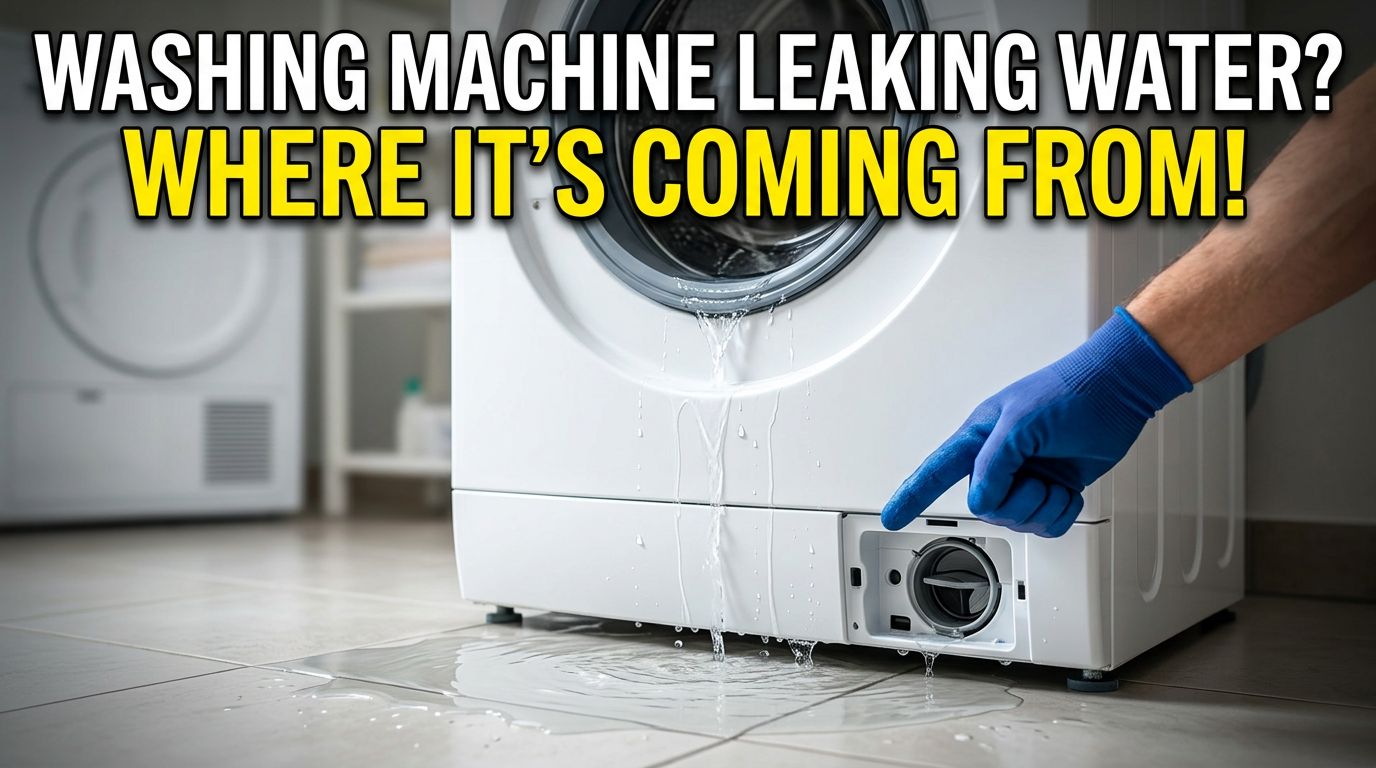
Noticed mysterious puddles around your washing machine after a load? Join the club – we’re diving into the most common causes of washing machine leaks and exactly how to track down that sneaky water source! Picture this: you’re feeling all accomplished after tackling that mountain of laundry, only to discover your laundry room floor has turned into a mini swimming pool. Ugh, right? Before you start panicking about buying a new washer or calling in the cavalry, take a deep breath. Most washing machine leaks are totally fixable, and some are so simple you’ll literally face-palm when you discover the culprit. 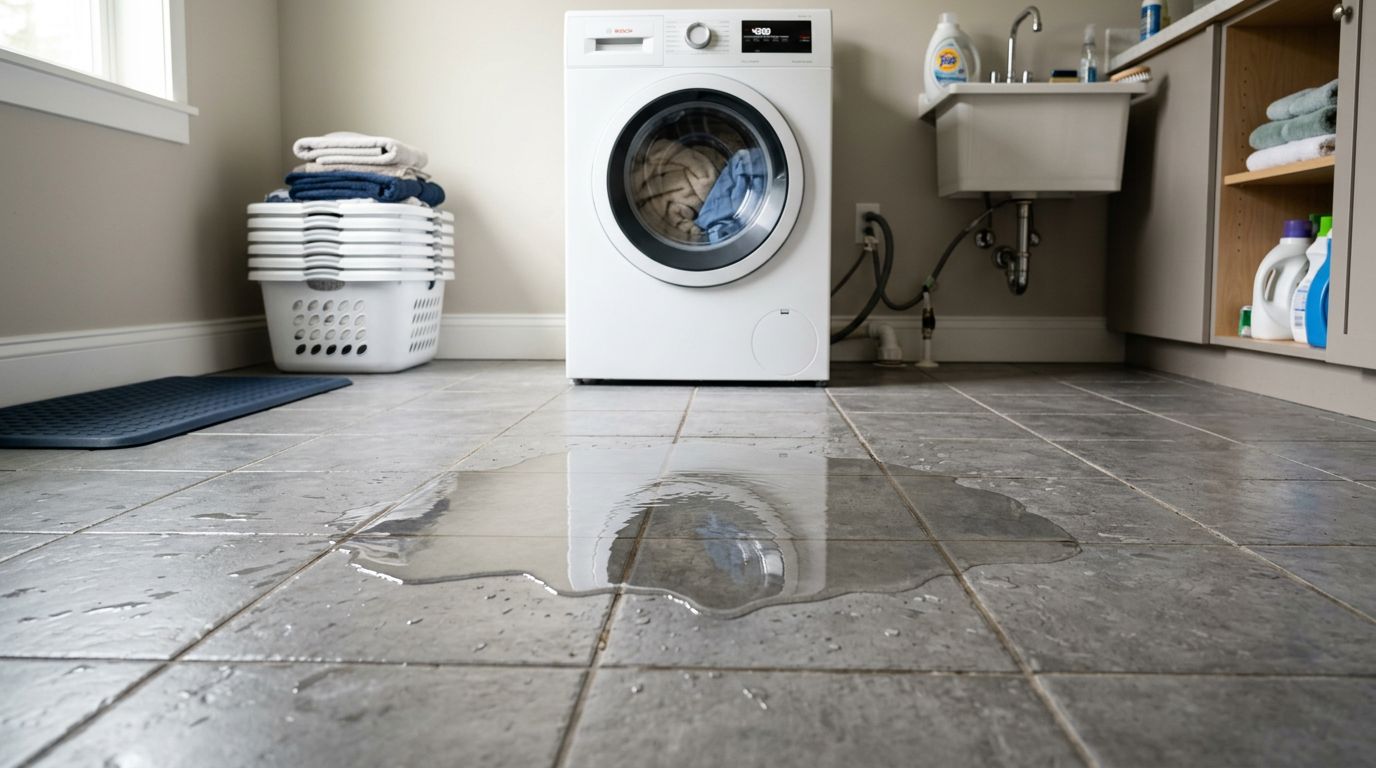 As someone who’s been helping Vancouver homeowners tackle appliance mysteries for years, I’ve seen it all – from the “oops, I used way too much detergent” floods to the more sneaky internal seal failures. Whether you’re dealing with this drama in your Kitsilano condo or your family home in Richmond, the troubleshooting steps are pretty much the same.
Key Outtakes:
- Most washing machine leaks stem from overloading, clogged filters, or loose hose connections – totally fixable issues
- The timing and location of water can give you major clues about what’s actually broken
- Some leaks happen during specific cycle phases, which helps narrow down the problem area
- Simple maintenance like cleaning filters and checking hose connections can prevent most leaks
- Internal component failures like pump or seal issues usually require professional repair
Understanding Where That Water Is Actually Coming From
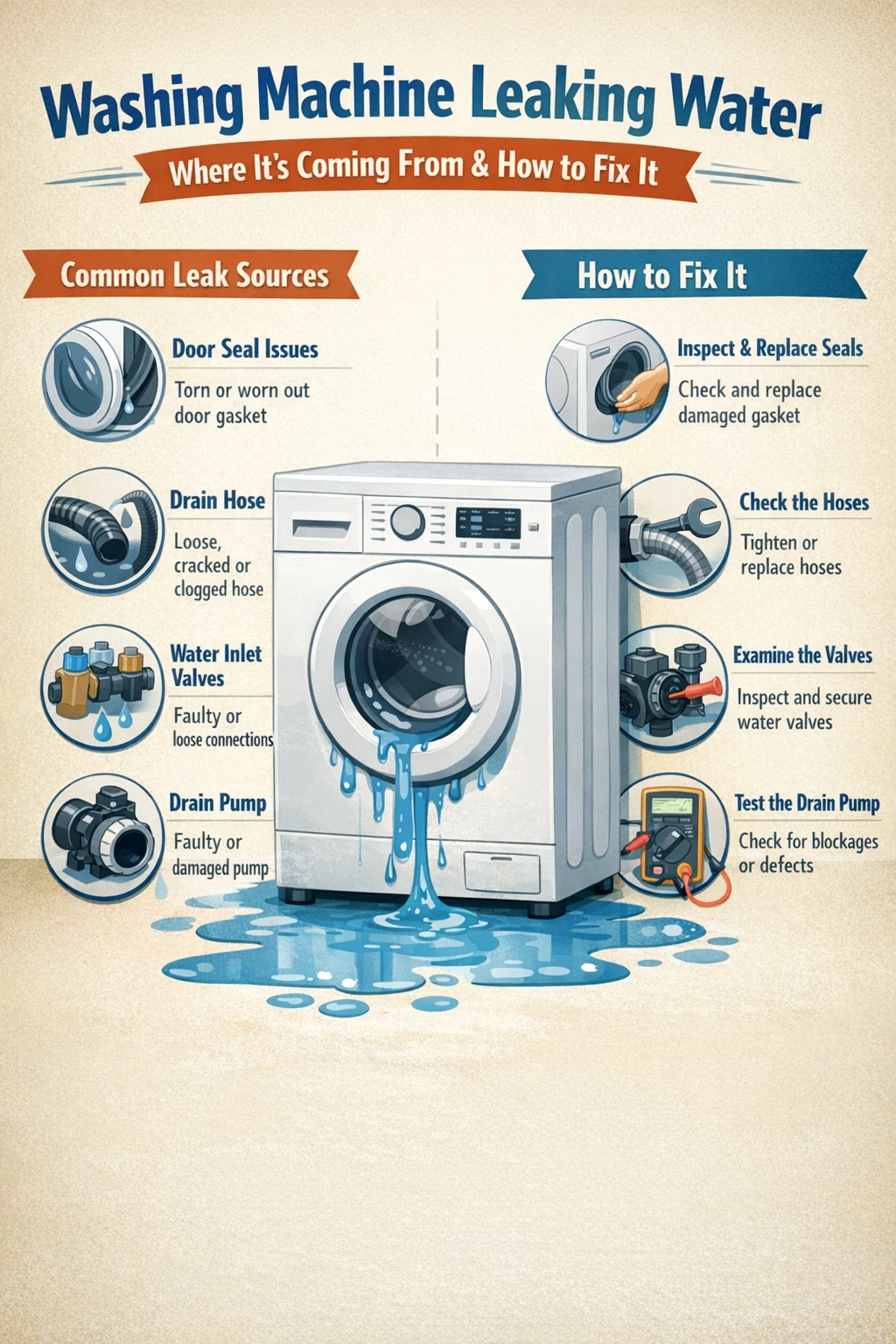
Let’s get real about leak detection first. Not every puddle around your washer is actually a washer problem – shocking, I know! Sometimes it’s condensation from your dryer, a backed-up floor drain, or even that coffee you spilled yesterday. The key is figuring out if your washing machine is the actual culprit. Start by doing the old “wipe everything down and run a test cycle” trick. Clean up all the water, dry the area completely, then run a short wash cycle while you play detective. If water appears again, congrats – you’ve got a genuine washer leak on your hands. Pay attention to when the water shows up during the cycle, because timing is everything in leak diagnosis. The location of the water also tells a story. Water pooling directly under the machine usually points to internal issues like pump problems or seal failures. Water appearing near the back suggests hose troubles, while front-of-machine puddles often mean door seal drama or overflow situations.
Common Causes of Washing Machine Water Leaks
Now for the fun part – playing CSI with your laundry appliances! The most common leak culprits fall into a few categories, and knowing what to look for can save you tons of time and potentially some cash. Overloading is honestly the biggest troublemaker I see, especially in busy Vancouver households where everyone’s trying to power through laundry day. When you stuff too many clothes in there, water can slosh around where it shouldn’t, or the whole machine goes off-balance and forces water past seals. I get it – time is precious, especially when you’re juggling work and family life in Burnaby or anywhere else in our busy metro area. Connection issues are another major player. Those fill and drain hoses take a beating over time, and Vancouver’s hard water doesn’t do them any favors. Loose connections, worn rubber washers, or kinked hoses can all create leaks. The good news? Most of these are pretty straightforward to fix once you know what you’re looking for.
Filter and Drainage Problems
Here’s something that catches a lot of people off guard – that little filter in your washing machine needs attention too. Most front-loading washers have a debris filter that catches everything from lint to the occasional Lego piece (we’ve all been there). When this filter gets clogged, water backs up and finds creative ways to escape your machine. 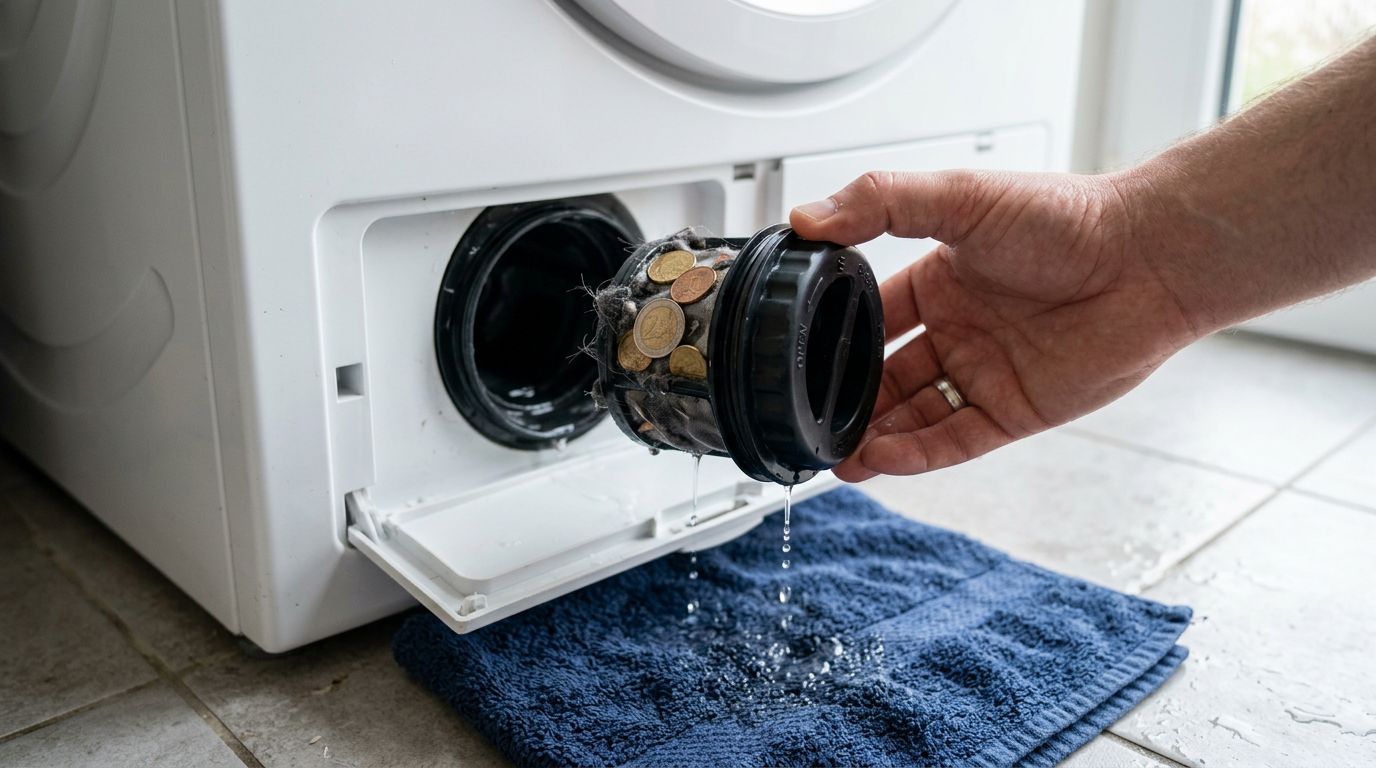 The filter is usually located behind a small panel at the front of your washer, and cleaning it is surprisingly satisfying. You’ll be amazed at what comes out of there – hair ties, coins, tissues that somehow survived the pocket check. Just make sure you have towels ready because there’s usually some water that comes out with the filter. Drainage issues can also masquerade as washer leaks. If your home’s drain pipe is backing up, water from the washer’s drain cycle can overflow and make it look like your machine is leaking. This is especially common in older Vancouver homes where the drain systems weren’t designed for modern high-efficiency washers that drain water much faster than vintage machines.
Internal Component Failures
Sometimes the problem is hiding inside your machine where you can’t easily see it. Water pumps, tub seals, and internal hoses can all fail over time, creating leaks that seem to come from nowhere. These issues typically require taking panels off your machine or even partially disassembling it. The water pump is particularly sneaky because when it starts failing, water can leak out slowly during certain cycle phases. You might notice water only appears during the drain cycle, or only when the machine is working extra hard on a heavy load. Internal seals, especially the main tub seal, can also develop leaks that cause water to drip steadily from the bottom of the machine. One homeowner discovered their mysterious leak was actually coming from a backed-up drain line, even though all the visible connections looked perfectly fine. The water was draining from the washer, hitting the blockage, and overflowing back onto the floor.
Troubleshooting Your Specific Leak
Time to channel your inner detective and figure out exactly what’s going on with your machine. Start with the obvious stuff because sometimes the simplest explanation is the right one. Check if your machine is actually level – an unlevel washer can create all sorts of problems, including mysterious leaks. Look at your recent laundry habits too. Have you been cramming extra towels in there? Using a different detergent? Sometimes changes in routine can trigger leak issues that weren’t there before. Too much detergent, especially in high-efficiency machines, can create excess suds that overflow the system. Next, inspect all the visible connections and hoses. The fill hoses at the back of your machine should be snug but not overtightened. Check the rubber washers inside the hose fittings – these little guys are often the source of slow leaks that eventually create puddles on your floor.
Testing During Different Cycle Phases
Here’s where things get interesting – different types of leaks happen during different parts of the wash cycle. If water appears during the fill cycle, you’re probably looking at a supply line issue or an overfilling problem. Leaks during agitation often point to seal problems or overloading issues. Drain cycle leaks are usually related to the drain pump, drain hose, or the home’s drainage system. Run a test cycle and watch carefully during each phase. I know it’s about as exciting as watching paint dry, but this detective work can save you a service call. Don’t forget to check for leaks when the machine isn’t running too. If water drips into your washer when it’s off, the inlet valve might be failing. This valve controls water flow into the machine, and when it starts going bad, it can allow water to seep in continuously.
DIY Fixes You Can Tackle Yourself
Good news – quite a few washing machine leaks are totally within DIY territory, even if you’re not particularly handy. Start with the easy wins before calling in professional help. Level your machine first if it’s wobbling around. Most washers have adjustable feet that you can turn to get the machine sitting flat and stable. Use a bubble level on top of the machine to check both front-to-back and side-to-side. A properly leveled machine is less likely to walk around during the spin cycle and stress connections. Clean that debris filter if your machine has one. This is usually a twist-off cap at the front of front-loading machines. Have towels ready and maybe a shallow pan to catch water. Clean out any debris, rinse the filter, and reinstall it snugly.
Hose and Connection Repairs
Tightening loose connections is usually straightforward with basic tools. If you find a loose hose clamp or fitting, snug it up carefully – finger-tight plus a quarter turn with pliers is usually enough. Over-tightening can actually cause more problems by distorting seals. Replacing worn rubber washers is another easy fix that solves a lot of mysterious leaks. These washers cost pennies at any hardware store, and swapping them out takes just a few minutes. Turn off the water supply, disconnect the hose, pop out the old washer, and press in the new one. If you find kinked or damaged hoses, replacement is usually your best bet. Hoses should be replaced every few years anyway, so consider it preventive maintenance. Stainless steel braided hoses are worth the extra cost for their durability and burst resistance.
When to Call Professional Help
While plenty of leak issues are DIY-friendly, some definitely call for professional expertise. Internal component failures, electrical issues, or anything involving major disassembly should be left to the pros. If you’ve checked all the obvious stuff and still can’t find the leak source, it’s time to call in reinforcements. Professional technicians have the tools and experience to safely diagnose internal problems without risking damage to your machine or your safety. Warranty considerations matter too. If your machine is still under warranty, attempting DIY repairs on internal components could void your coverage. Check your warranty terms before diving into any major repair work, especially on newer machines.
Safety Considerations
Water and electricity don’t mix, so always unplug your machine before doing any inspection or repair work. Turn off the water supply valves too – you don’t want to create a bigger flood while trying to fix a small leak. If you’re not comfortable working with water connections or electrical components, there’s no shame in calling for help. A small service call is way cheaper than dealing with flood damage or a ruined washing machine. Sometimes what looks like a complex internal leak is actually just a missing rubber gasket in the water line connections. Professional diagnosis can save you from unnecessary worry and expense.
Preventing Future Washing Machine Leaks
An ounce of prevention is worth a pound of cure, especially when that cure involves mopping up your laundry room floor! Regular maintenance can prevent most leak issues before they start. Clean your filter regularly – monthly is ideal for busy households. This simple task prevents buildup that can cause drainage backups and overflows. While you’re at it, wipe down the door seals and detergent dispensers to prevent mold and soap buildup. Don’t overload your machine, even when you’re in a hurry. I know it’s tempting to stuff everything in for one big load, but overloading stresses seals, throws the machine off balance, and can cause water to slosh where it shouldn’t. Follow the manufacturer’s capacity guidelines. 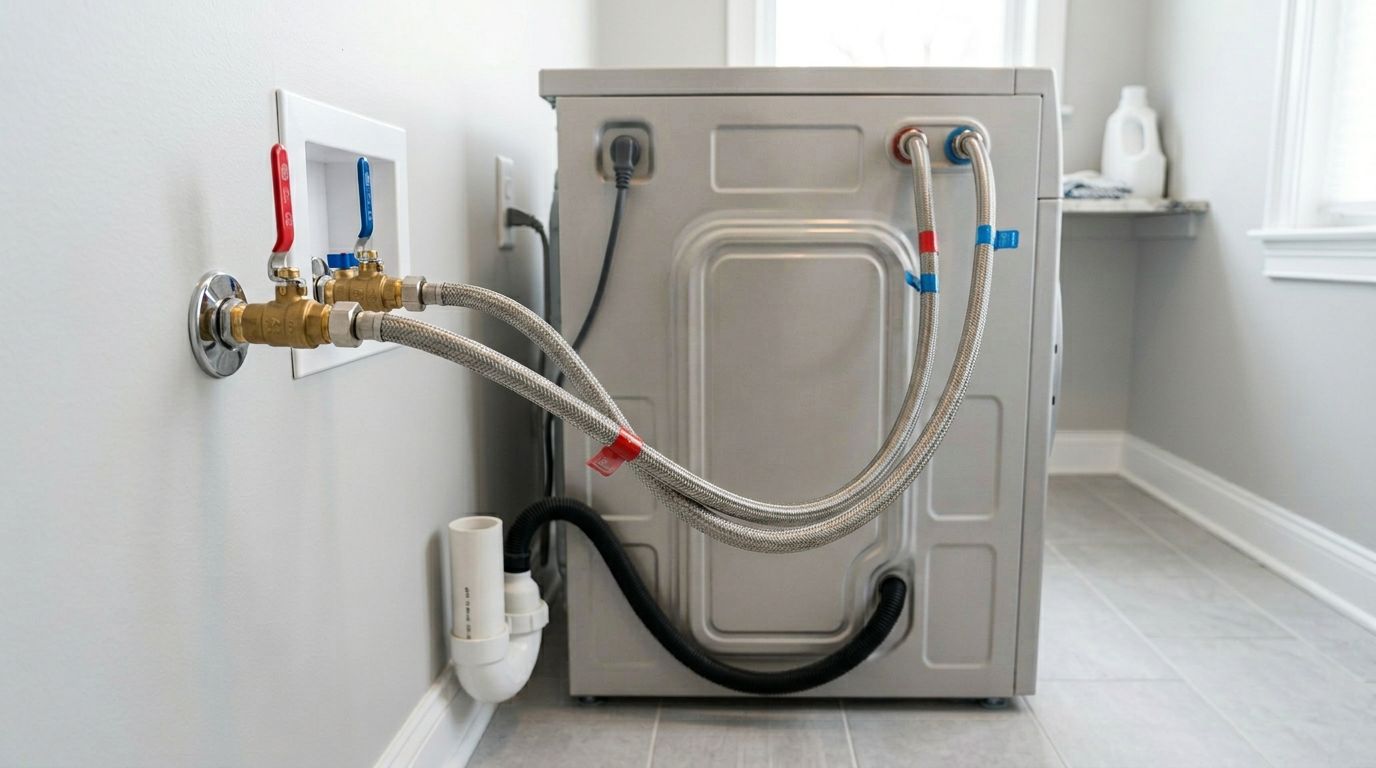
Hose and Connection Maintenance
Inspect hoses and connections every few months for signs of wear, bulging, or corrosion. Replace rubber supply hoses every five years or so, even if they look okay. The rubber degrades over time, and a burst hose can flood your entire laundry room in minutes. Check that your machine stays properly leveled, especially if you have wood floors that might shift seasonally. An unlevel machine works harder and can develop leak issues over time. Use the right amount and type of detergent for your machine. High-efficiency machines need HE detergent, and using too much of any detergent can create overflow problems. When in doubt, use less rather than more.
Frequently Asked Questions
Can overloading my washing machine really cause it to leak?
Absolutely! When you pack too many clothes into your washer, several things can happen that lead to leaks. The machine can become unbalanced during the spin cycle, causing water to slosh out or forcing seals to fail. Overloading also prevents proper water circulation, which can cause overflow situations during fill cycles.
Why is my washing machine leaking only during certain cycles?
The timing of leaks gives you major clues about the source. Leaks during fill cycles usually point to supply line issues or overfilling problems. Drain cycle leaks often indicate pump problems or drain blockages. Spin cycle leaks typically mean balance issues or worn seals that can’t handle the machine’s movement.
How often should I clean my washing machine’s filter?
Monthly cleaning is ideal for most households, though you might need to do it more often if you wash particularly linty items or have pets. A clogged filter can cause water to back up and leak from unexpected places. The filter is usually behind a small panel at the front of front-loading machines.
Is it normal for water to drip into my washing machine when it’s turned off?
No, this usually indicates a failing inlet valve that’s supposed to stop water flow when the machine isn’t running. This valve controls both hot and cold water supply, and when it starts going bad, it can allow continuous water seepage even when the machine is off.
Should I replace my washing machine hoses even if they look fine?
Yes, rubber supply hoses should be replaced every five years regardless of appearance. The rubber degrades over time from temperature changes and water pressure, making them prone to sudden failure. A burst supply hose can flood your entire laundry room, so replacement is cheap insurance.
Wrapping Up
Washing machine leaks might seem scary at first, but most are totally manageable once you know what to look for. Start with the simple stuff like checking connections and cleaning filters before assuming you need major repairs. Regular maintenance and proper loading habits can prevent most leak issues from happening in the first place. When you’re dealing with washing machine troubles in Vancouver – whether you’re in West End, Burnaby, or Richmond – remember that Vancouver Appliance Service Pros is here to help. Our experienced technicians can quickly diagnose complex leak issues and get your laundry routine back on track, saving you time and preventing costly water damage to your home.