A failed oven heating element is one of the more straightforward appliance repairs — the part is usually accessible, the diagnosis is clear, and on most ranges the replacement doesn’t require a technician. Here’s how to diagnose a failed element and replace it on Samsung, GE, Whirlpool, and Bosch electric ovens.
Related Services: Oven Repair in Vancouver
Signs your oven heating element has failed
- Oven takes significantly longer to reach temperature, or doesn’t reach target temperature at all
- Food bakes unevenly — particularly if the bottom isn’t browning but the top is fine (bake element issue) or vice versa (broil element issue)
- Visible damage on the element: blistering, cracks, a break, or a hole in the element rod
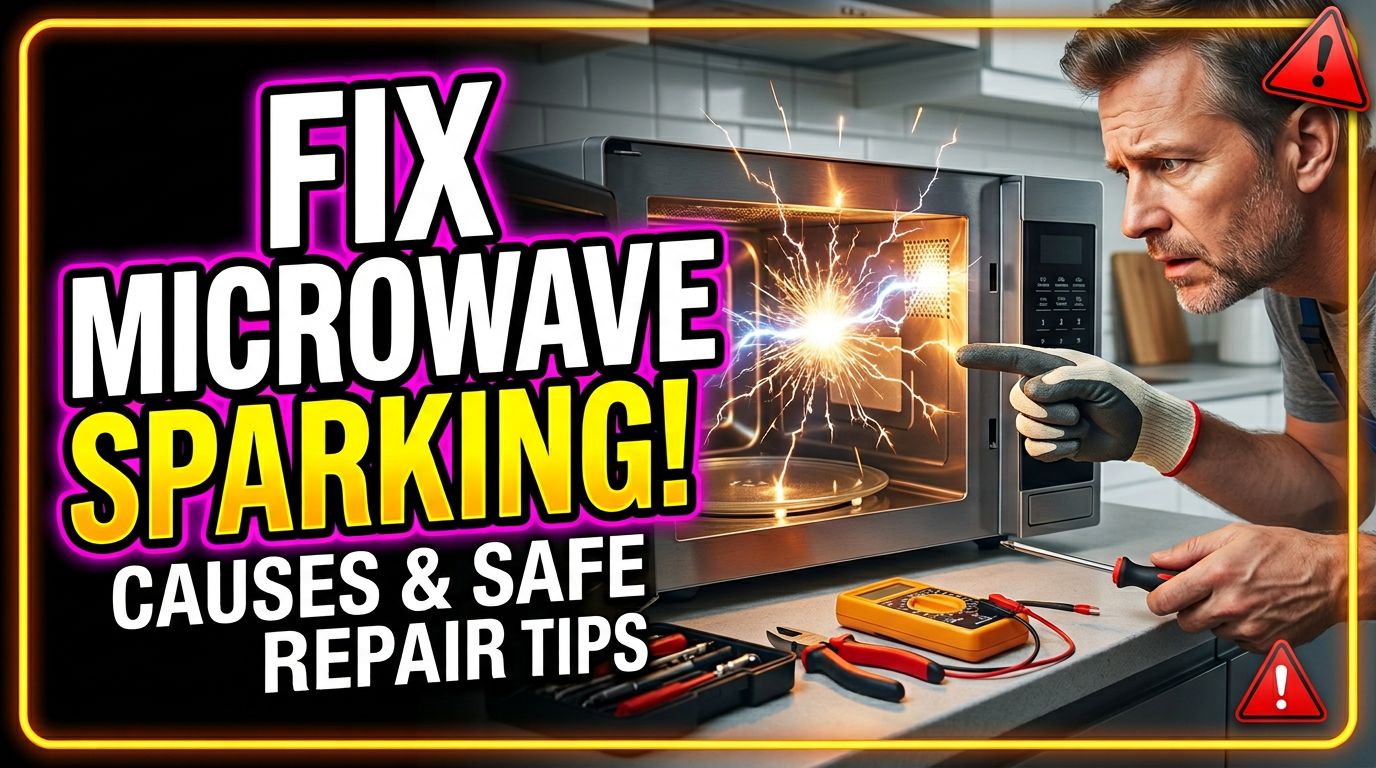
- Sparking or flashing from inside the oven during preheating
- Error codes: F1, F3, F7 on most Samsung and GE models point to heating element or temperature sensor issues
How to confirm the element is the problem
Disconnect power to the range at the breaker. Remove the element from the oven (usually two screws at the back wall, then pull the element forward and disconnect the two wire terminals). Set a multimeter to the ohm setting. Touch one probe to each terminal of the element. A working element reads 20 to 30 ohms depending on the brand and wattage. Infinite resistance (no reading) means the element is open — it’s failed. Readings significantly outside the normal range also indicate a fault.
Oven heating element replacement — general steps
- Unplug the range or shut off the circuit breaker. Confirm power is off.
- Remove the oven racks.
- Locate the bake element at the bottom of the oven cavity (or the broil element at the top).
- Remove the two screws holding the element mounting bracket to the oven back wall.
- Gently pull the element forward — it will pull the two wire terminals out of the back wall. Note which wire connects to which terminal if they’re different gauges or colours.
- Disconnect the wires from the element terminals. The terminals often have quick-connect spade connectors.
- Connect the replacement element in the same orientation.
- Push the element back and replace the mounting screws.
- Restore power and run the oven at 350°F for 15 to 20 minutes to burn off any coating on the new element (this may produce smoke and odour — it’s normal).
Samsung oven heating element replacement
Samsung electric ranges (NE, NV, and FE series) typically use a 2,500W or 3,000W bake element. Access is standard — two screws at the rear of the oven cavity. Samsung elements use spade connectors that pull straight off. When ordering a replacement, use the full model number from the sticker inside the door frame or on the drawer below the oven to get the correct part.
Some Samsung models (particularly newer slide-in ranges) have a hidden bake element under the oven floor. To access it, you need to remove the oven floor panel (held by 2 to 4 screws). The element replacement procedure is the same, but the access is different.
GE oven heating element replacement
GE electric ranges use a standard exposed bake element in most freestanding models. Part number WB44T10010 (and its variants) covers a wide range of GE and Hotpoint models. GE elements often have screw terminals rather than spade connectors — use a nut driver to remove and reinstall. The mounting is two screws at the element support bracket.
GE Profile and Café ovens may have a concealed element under the oven floor, similar to the Samsung approach above.
Whirlpool oven heating element replacement
Whirlpool freestanding electric ranges use a standard bake element at the bottom of the cavity. Part W10779716 and its variants cover many Whirlpool, Maytag, KitchenAid, and Amana models that share the same platform. The element mounts with two screws and uses push-on spade connectors. Replacement is typically a 30-minute job.
Whirlpool’s hidden-bake models (common in the 2015–2020 period) require pulling the oven floor pan to access the element. Check your model before ordering — hidden and exposed elements are different parts and not interchangeable.
Bosch oven heating element replacement
Bosch electric ovens use a different approach. The main lower element on most Bosch freestanding and built-in models is at the bottom of the cavity, but Bosch often uses a drawer-style access point or requires the oven liner to be partially removed for broil element access.
Bosch elements also commonly run at different wattages than North American brands (1200W to 2200W depending on model). Order the exact part number from the Bosch label inside the door — using the wrong wattage affects temperature performance.
For Bosch built-in ovens, element replacement is more involved than on freestanding ranges. In some configurations, the oven needs to be partially removed from the cabinet to access the wiring harness. This is a technician job for most homeowners.
Broil element vs. bake element: which is which?
The bake element is at the bottom of the oven cavity. It provides the primary heat for baking. The broil element is at the top. If food is undercooked at the bottom but the top browns normally, suspect the bake element. If the broil function doesn’t heat or the self-clean cycle won’t complete (it needs both elements on most models), suspect the broil element.
Safety note
Always confirm power is disconnected before touching any component inside the oven. Electric ranges connect to a 240V circuit — the voltage is dangerous. If you’re uncomfortable working with appliance wiring, this is a good repair to hand off to a technician. The job itself is simple; the risk comes from working with power on.
When to call a technician
DIY element replacement is reasonable on most freestanding ranges. Call for help if: the oven is a Bosch built-in or another brand with embedded installation, the element replacement doesn’t restore heating (the issue may be the temperature sensor or control board), or the oven is displaying error codes that persist after element replacement.
Vancouver Appliance Service stocks bake and broil elements for Samsung, GE, Whirlpool, Bosch, LG, and other major brands. We can typically diagnose and replace a failed element in a single visit across Metro Vancouver.