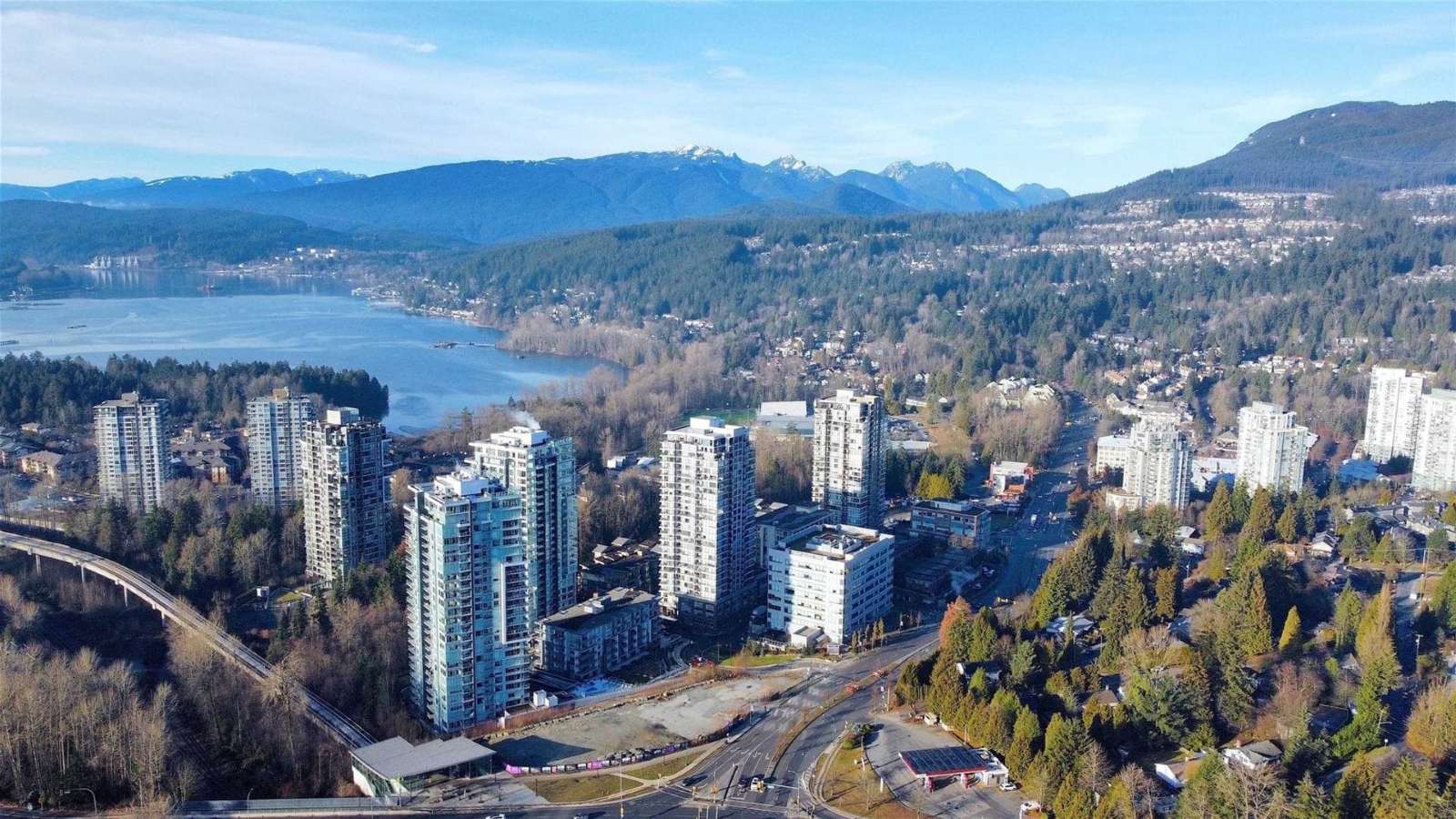
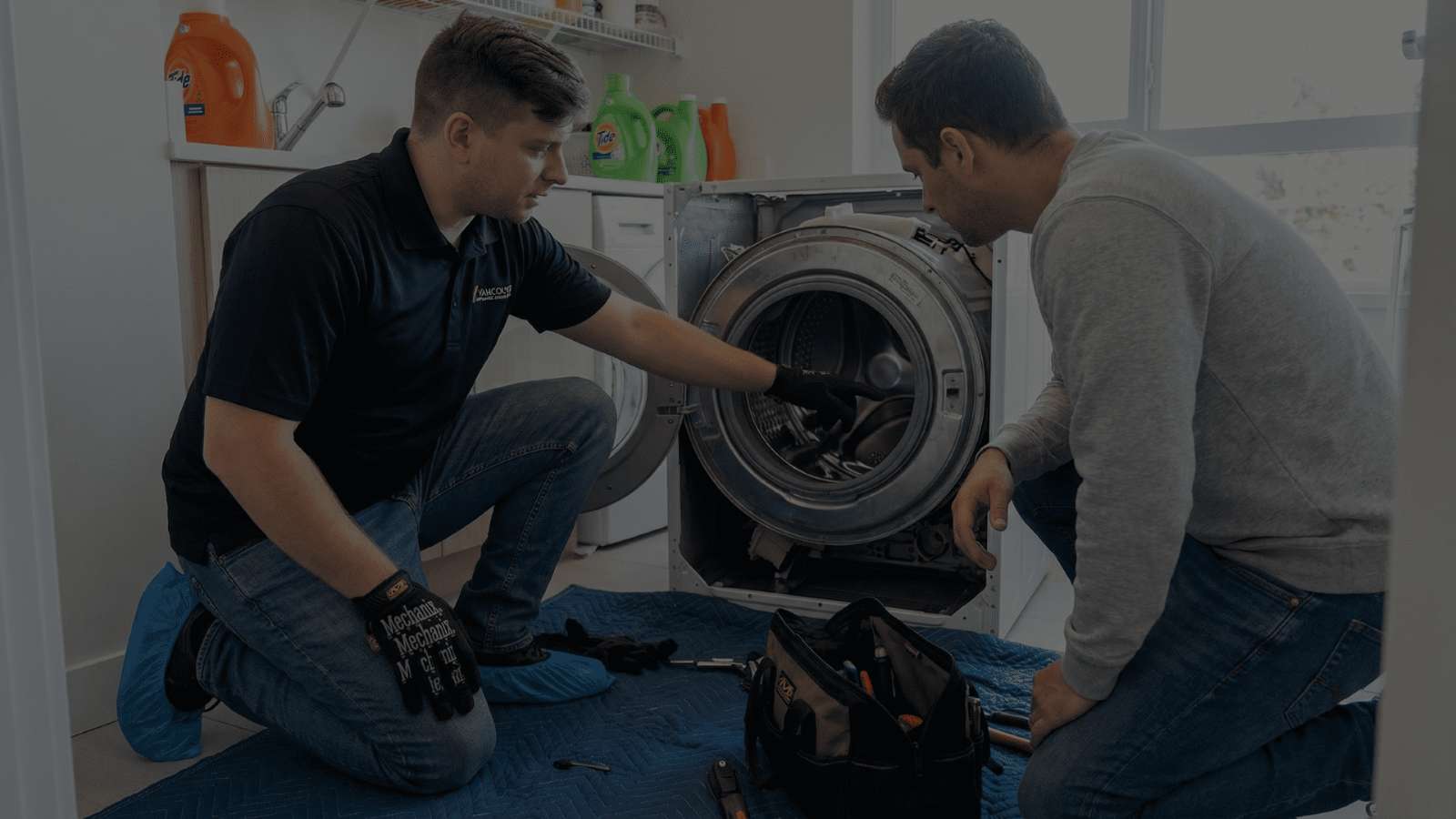
Delta is really three communities that happen to share a municipality, and the appliance work in each one looks different. We treat them that way.
Ladner is the oldest of the three. The village core and the streets around it hold houses built from the 1940s through the 1970s, many with kitchens that have been updated once and never again. The appliances are a mix: a ten-year-old fridge next to a range that predates it by two decades. Whirlpool, GE, Frigidaire and Maytag are what we see most. The calls are what you would expect from equipment at that age - failed sealed systems, worn washer bearings, oven elements and igniters.
Tsawwassen sits out on the point, and being that close to the water changes things. Condenser coils and fan motors corrode faster here than they do five kilometres inland. The 1960s through 1980s subdivisions off 56th Street are on their second or third generation of appliances, while the newer builds at Tsawwassen Shores run modern Samsung, LG and Bosch suites that fail in an entirely different way - electronic controls and sensor faults rather than worn mechanical parts. We hold factory authorisation for Bosch, Thermador, Gaggenau, Electrolux and Blomberg, so those repairs do not wait on a manufacturer routing somebody out to the point.
North Delta is the busiest of the three for us. The subdivisions through Sunshine Hills, Annieville and Nordel went up largely in the 1970s and 1980s, and a large share of those houses now carry a secondary suite. Two kitchens and two laundry pairs in one house means roughly twice the appliances and roughly twice the failures, often on equipment that was inexpensive when it went in.
Then there is the farmland. Delta's Agricultural Land Reserve covers a large part of the municipality, and the properties on it run chest freezers, second fridges and light commercial equipment in barns and outbuildings. That gear works hard, often in unheated space, and almost nobody services it.